Deep-Sea Mining Tests Reduce Marine Life by Over One-Third, Study Finds
Part of composite article War, Oil, and AI: How Converging Crises Are Reshaping the World in 2026 View full article →
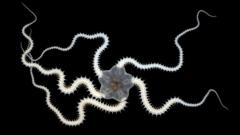
A new scientific study reveals that commercial-scale testing of deep-sea mining equipment caused a significant and lasting drop in local marine life. Researchers found a 34% reduction in the population of seabed animals one year after the tests.
The tests occurred in 2021 in the Clarion-Clipperton Zone, a vast area in the Pacific Ocean between Hawaii and Mexico. This region contains trillions of potato-sized rocks called polymetallic nodules, which are rich in metals like cobalt and nickel.
These metals are in high demand for manufacturing batteries used in electric vehicles and other green technologies. The findings intensify a global debate about the environmental cost of obtaining materials for a cleaner energy future.
The International Seabed Authority (ISA), a United Nations body, is currently developing regulations for potential deep-sea mining. This research provides critical data as nations and companies weigh the economic potential against the ecological impact on one of the planet's last untouched ecosystems.