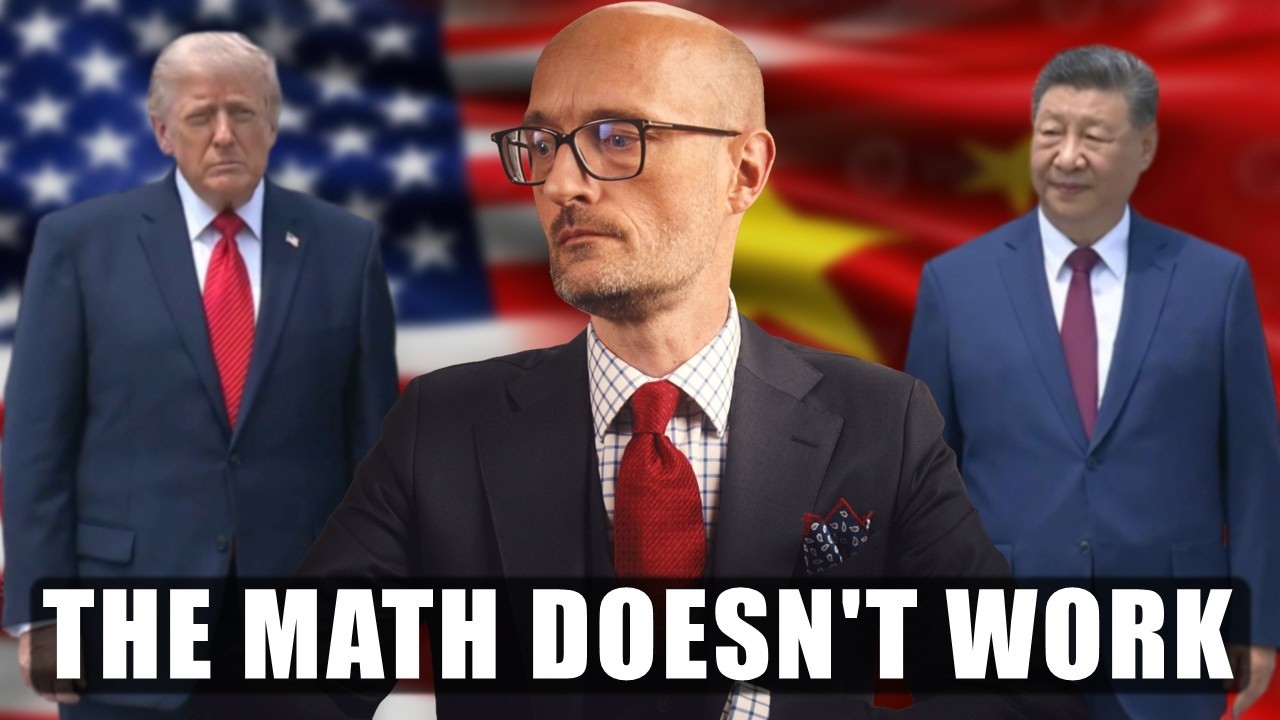
### Title: The Empty Grandeur of Trump’s China Visit: A Diplomatic Spectacle With No Substance
Introduction In November 2017, President Donald Trump embarked on a three-day state visit to China that was visually spectacular, economically aggressive, and diplomatically shallow. The trip produced billions of dollars in tentative business deals, a series of carefully choreographed photo opp
Introduction
In November 2017, President Donald Trump embarked on a three-day state visit to China that was visually spectacular, economically aggressive, and diplomatically shallow. The trip produced billions of dollars in tentative business deals, a series of carefully choreographed photo opportunities, and a notable absence of progress on the most contentious issues between the world’s two largest economies. While Trump declared the visit a “tremendous success,” a closer examination reveals a summit that prioritized pageantry over policy, leaving the fundamental tensions in the U.S.-China relationship unresolved.
The Deal-Making Facade
The headline achievement of the visit was the announcement of over $250 billion in commercial agreements and memorandums of understanding (MOUs). These ranged from energy projects and aircraft purchases to investments in Chinese technology. However, the vast majority of these deals were non-binding letters of intent, not signed contracts. Many were simply re-announcements of existing negotiations or preliminary agreements that had already been in the works for months.
Trump’s transactional approach to foreign policy—treating the visit like a business negotiation—played well on television but produced little structural change. The U.S. Chamber of Commerce and many trade experts noted that MOUs are often used by Chinese leaders to demonstrate goodwill during high-profile visits, but they rarely translate into immediate, measurable trade flows. The real test—whether these deals would actually be executed—remained unanswered.
The Core Conflict: Trade Deficits and Market Access
Beneath the surface of handshakes and signing ceremonies, the fundamental disagreement over trade persisted. Trump repeatedly raised the issue of the U.S.-China trade deficit, which stood at roughly $375 billion at the time. He pressed for greater Chinese purchases of U.S. goods, particularly soybeans, liquefied natural gas, and aircraft.
China’s response was characteristically diplomatic: President Xi Jinping offered to open certain sectors further, including financial services and insurance, but made no concrete commitments on the most sensitive issues—intellectual property theft, forced technology transfers, and state subsidies for domestic industries. The Chinese side framed the trade imbalance as a natural outcome of global supply chains, not a deliberate policy of unfair advantage. No binding agreement was reached to address the structural drivers of the deficit.
The North Korea Question: A Shared Goal, No Shared Strategy
Perhaps the most consequential topic on the agenda was North Korea. Trump and Xi both expressed a desire for denuclearization of the Korean Peninsula. However, their approaches could not have been more different.
Trump demanded that China use its economic leverage—particularly its control over North Korea’s oil supply and banking system—to force Pyongyang to the negotiating table. Xi, in turn, insisted that the U.S. must first reduce its military presence in the region and cease joint military exercises with South Korea before China would consider tightening sanctions further. The public statements from both sides were carefully worded to suggest unity, but behind closed doors, the gap was wide. The visit produced no joint plan, no timeline, and no escalation of sanctions.
The “State Visit Plus” Treatment: Symbolism Over Substance
China rolled out the red carpet with unusual extravagance. Trump was treated to a private dinner in the Forbidden City, a cultural performance, and a tour of the imperial palace. This “state visit plus” treatment was a deliberate strategy by Beijing to flatter the American president and steer the conversation away from difficult topics. Chinese state media emphasized the personal chemistry between Trump and Xi, portraying the visit as a meeting of equals who could solve global problems through personal rapport.
Yet, for all the ceremony, the Chinese government did not concede on any major policy point. They did not agree to reduce steel overcapacity, did not commit to enforcing intellectual property laws more strictly, and did not change their stance on the South China Sea. The spectacle served to mask the fact that the U.S. had extracted no major diplomatic or economic concessions.
The Aftermath: What Changed?
In the months following the visit, the U.S.-China relationship deteriorated. The trade war escalated, tariffs were imposed on hundreds of billions of dollars in goods, and the two countries entered a period of strategic competition that continues to this day. The MOUs signed during the trip largely failed to materialize into completed transactions. The North Korea talks that followed eventually collapsed.
Trump’s China visit was a masterclass in diplomatic theater. It produced memorable images and impressive deal totals on paper, but it failed to resolve—or even meaningfully address—the structural conflicts that define the world’s most important bilateral relationship. The visit achieved exactly what both leaders needed at that moment: a public display of cooperation that allowed each to claim victory at home, while the real work of managing a complex and adversarial partnership remained undone.
Related Coverage
Related Editorials
Title: The Ukraine “Deal” That Isn’t: Why Trump’s Plan Fails the Basics of Statecraft
Introduction For weeks, the narrative surrounding a potential peace deal in Ukraine has been framed by a single, powerful image: Donald Trump, the master negotiator, sitting down with Vladimir Putin to end the bloodshed. The promise was a swift, decisive settlement that would save lives and res
Title: Washington’s Fickle Embrace: Why the Gulf States Are Losing Patience with Trump
Introduction For decades, the relationship between the United States and the Gulf monarchies has rested on a simple bargain: American security guarantees in exchange for oil stability and regional alignment. Yet, beneath the surface of official summits and handshakes, a quiet but profound erosi