The Bond Market Isn't a Threat to Governments—Here's Why
Government bonds are widely misunderstood. Many people believe they are mysterious financial instruments that fund government spending and hold governments hostage to the whims of financial markets.
Government bonds are widely misunderstood. Many people believe they are mysterious financial instruments that fund government spending and hold governments hostage to the whims of financial markets. This is wrong on both counts.
In an economy like the UK's, where the government issues its own currency, controls its central bank, and borrows only in that currency, the government can never fail to pay its debts. Every time the government instructs the Bank of England to make a payment on its behalf, the central bank creates the money needed. The government does not need to tax or borrow before it spends. It has its own bank, and banks exist to create money.
This is the foundation for understanding bonds: government spending creates money, and taxation removes some of it from the economy. Tax does not fund spending—it controls inflation. When the government spends more than it taxes, which has been the case every year this century, it leaves money in the economy that people and businesses can save. Government debt is simply the difference between what the government has spent and what it has taxed back. This debt exists before any bond is sold.
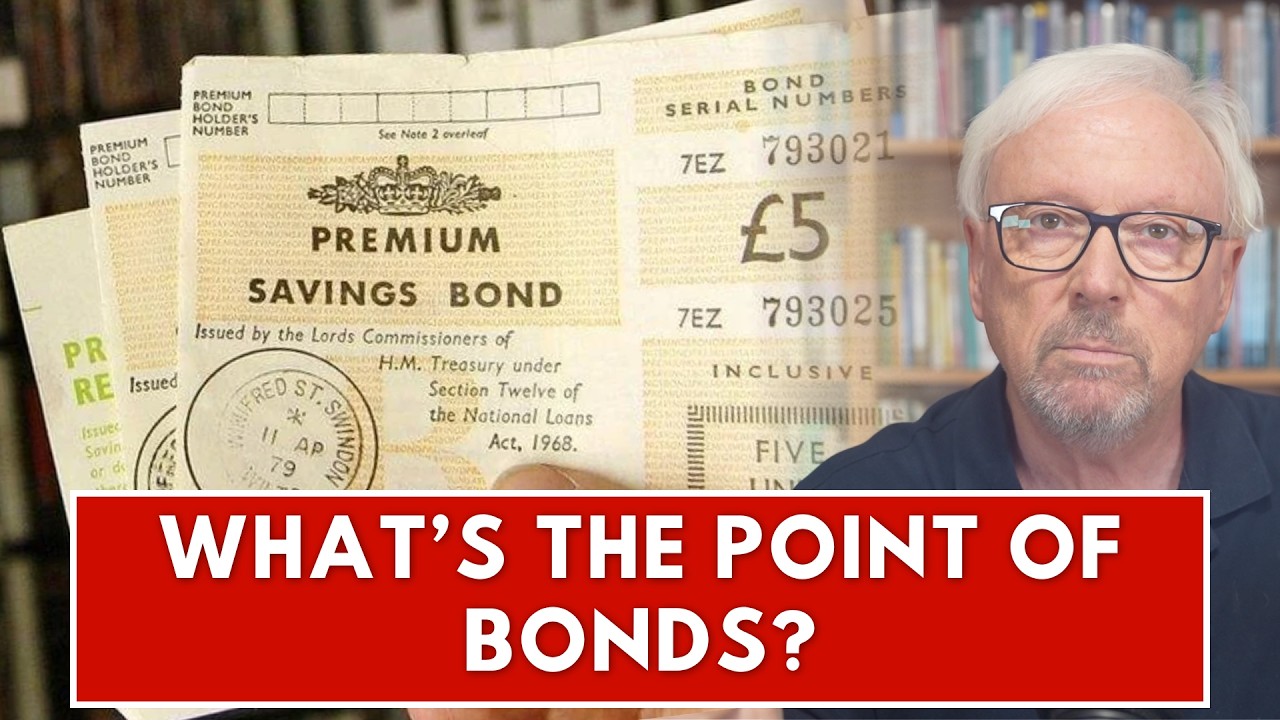
So what is a bond? A government bond is another form of government promise to pay, but with a key difference: it pays interest. Think of it as a fixed-term savings account. Banks and building societies offer similar products. The only distinction is that government bonds can be bought and sold on a secondary market. Pension funds, banks, and other savers buy bonds because they provide the safest way to save in the government's currency.
Crucially, savers buy bonds with money that already exists. When a bond is purchased, funds move from bank reserve accounts at the Bank of England into government bonds. One government debt is swapped for another. No new debt is created. The government's total obligations remain unchanged.
Why do savers choose bonds? Because they offer a guaranteed interest rate over a fixed period, potentially up to 50 years. Bank reserve accounts, by contrast, offer no such guarantee—between 2010 and 2020, they paid almost no interest at all.
This reveals the true purpose of bonds. They do not fund government spending. By choosing which bonds to offer, at what interest rate, and for what duration, the government deliberately influences interest rates across the entire economy. It could sell no bonds at all and borrow directly from the Bank of England if it wished. The practice of issuing bonds to cover deficits is merely custom dating from the early 1980s, not a legal requirement.
Bonds exist as a tool of economic policy, not as a funding mechanism. They provide a safe place for savers and a means for the government to manage interest rates for the benefit of the economy as a whole—not to keep City bondholders content.
The implications are significant. Bonds cannot fund government spending because that spending is already funded by money creation. The real limits on government spending are available people, materials, and the risk of inflation—not the willingness of bond markets to lend. The threat from bond markets is hollow. All the power in this relationship rests with the government, not with financiers.
Understanding this is essential to understanding how our economy actually works.
Related Coverage
Related Editorials
The Bond Market’s New Class War: Why Austerity Is a Choice, Not a Law of Nature
A quiet but brutal battle is being waged in the corridors of global finance. As government debt levels climb and inflation persists, a familiar chorus has emerged from the world’s most influential financial institutions.
The US Government Cannot Go Bankrupt. Wall Street Can.
The relationship between the United States government and Wall Street is often misunderstood. Many assume that if the stock market crashes, the federal government is next in line for insolvency.
Britain's Debt Machine: How the Bond Market Moves Wealth from the Poor to the Rich
The UK's national debt stands at roughly 100% of GDP. The interest bill alone exceeds the defence budget.