# Peru’s Decade of Chaos: Why the Nation Has Seen 10 Presidents in 10 Years
Introduction In the span of just ten years, Peru has cycled through ten different presidents. This staggering turnover—including impeachments, resignations, arrests, and even a suicide—has turned the Andean nation into a global case study of political instability.
Introduction
In the span of just ten years, Peru has cycled through ten different presidents. This staggering turnover—including impeachments, resignations, arrests, and even a suicide—has turned the Andean nation into a global case study of political instability. To understand how a country with rich natural resources and a growing economy descended into such turmoil, one must examine a system where corruption, constitutional loopholes, and a fractured Congress have created a perpetual crisis of governance.
The Roots of Instability: A Weak Presidency
Peru’s political framework, established by the 1993 Constitution, deliberately weakened the executive branch. After the authoritarian rule of Alberto Fujimori (1990–2000), reformers aimed to prevent any single leader from accumulating too much power. The result, however, was a presidency that is both powerful enough to provoke conflict and too fragile to govern effectively.
The president can dissolve Congress only once during a term, and only if Congress has censured two cabinets. Conversely, Congress can remove the president through a simple majority vote on vague grounds of “moral incapacity.” This low threshold has turned impeachment into a routine political weapon, rather than a last resort for egregious misconduct.
The Cascade of Crises (2016–2022)
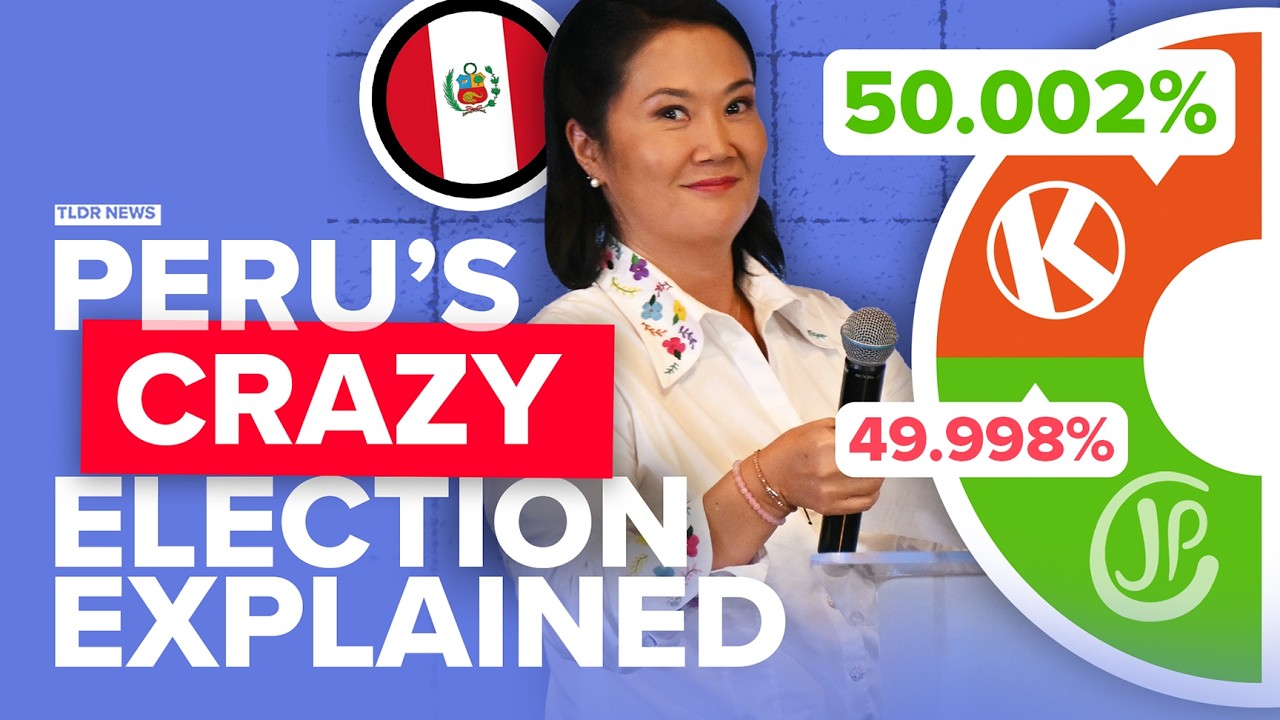
The current cycle of instability began in earnest with President Pedro Pablo Kuczynski (2016–2018). A former Wall Street banker, Kuczynski won a narrow election but faced immediate opposition from a Congress dominated by the party of his rival, Keiko Fujimori. Accusations of corruption tied to the Brazilian construction giant Odebrecht led to his resignation in 2018, just before an impeachment vote.
His successor, Vice President Martín Vizcarra, took office with a reformist agenda. He fought corruption and pushed for anti-establishment measures, earning public support but alienating Congress. In 2020, Congress impeached Vizcarra on charges of “moral incapacity” linked to alleged bribery during his time as governor—charges he denied. He was barred from holding public office for ten years.
This triggered a rapid succession of leaders. Manuel Merino, the head of Congress, assumed the presidency but lasted only five days. Massive street protests erupted, with demonstrators denouncing a “congressional coup.” Merino resigned after two people were killed in clashes with police.
Congress then appointed Francisco Sagasti, a centrist technocrat, to serve out the remainder of the term. Sagasti’s interim government managed to stabilize the country temporarily, but the underlying rot remained.
The 2021 Election and Its Aftermath
In July 2021, Pedro Castillo, a rural schoolteacher and union leader, was elected president on a left-wing platform. His victory shocked the establishment. Castillo had never held elected office before, and his administration was marked by chaos from the start. He appointed four different cabinets in less than two years, and his government was plagued by corruption scandals involving his family and close aides.
By December 2022, Castillo attempted to dissolve Congress and rule by decree—a move widely seen as a self-coup. The military and police refused to support him. Congress immediately voted to remove him, and he was arrested while trying to flee to the Mexican embassy. He now faces charges of rebellion and conspiracy.
His vice president, Dina Boluarte, succeeded him, becoming Peru’s first female president. Her government has faced its own legitimacy crisis, with violent protests demanding her resignation and new elections.
The Structural Flaws That Fuel the Crisis
Beyond individual personalities, several systemic issues perpetuate Peru’s political chaos:
A Fragmented Party System: Traditional political parties have collapsed. Most presidents now run as independents or with weak party structures, leaving them without reliable legislative support.
The “Moral Incapacity” Clause: This constitutional provision is so vaguely defined that it allows Congress to remove a president for almost any reason. It has become a tool for political score-settling rather than accountability.
Short-Term Incentives: With presidents rarely finishing their terms, politicians focus on immediate gains rather than long-term governance. This encourages populism, corruption, and gridlock.
A Powerful, Yet Dysfunctional Congress: Congress can block legislation, remove presidents, and appoint successors, but it lacks the cohesion to govern effectively. The result is perpetual deadlock.
The Human Cost
This instability has real consequences. Peru’s economy, once the fastest-growing in Latin America, has stagnated. Investment has dried up. Poverty, which had fallen dramatically, is rising again. Public trust in democratic institutions has collapsed. According to Latinobarómetro, only 10% of Peruvians express confidence in their government—one of the lowest rates in the region.
Conclusion
Peru’s decade of ten presidents is not a random series of unfortunate events. It is the logical outcome of a political system designed to prevent authoritarianism but which instead created a permanent crisis of governability. Until the country reforms its constitution, rebuilds its party system, and establishes clear, objective criteria for presidential removal, the revolving door of leaders will likely continue. For now, Peru remains a cautionary tale: a democracy that has become ungovernable not because it is too strong, but because it is too weak.