# North Korea’s Economy Is Growing. Here’s How—and Why It Matters
For decades, the conventional wisdom about North Korea has been one of isolation, poverty, and stagnation. Yet recent data and on-the-ground reports reveal a surprising reality: the country’s economy is expanding.
For decades, the conventional wisdom about North Korea has been one of isolation, poverty, and stagnation. Yet recent data and on-the-ground reports reveal a surprising reality: the country’s economy is expanding. This growth is not a fluke, nor is it driven by the state’s central planning. Instead, it stems from a quiet, market-based transformation that has been unfolding beneath the surface of international sanctions and political repression.
The Rise of the Informal Economy
The primary engine of North Korea’s economic boom is its informal, or “market,” sector. Following the devastating famine of the 1990s, the state’s public distribution system collapsed. To survive, ordinary citizens began trading goods in unofficial markets. Over time, these markets have become the backbone of daily life.
Today, these informal markets—known as jangmadang—account for an estimated 70 to 80 percent of all economic activity in the country. They sell everything from Chinese-made electronics and South Korean cosmetics to locally grown food and second-hand clothing. The government has largely tolerated, and in some cases even facilitated, this activity because it provides a crucial safety net that the state can no longer sustain.
Sanctions, Adaptation, and Innovation
International sanctions, while severe, have not crippled the economy. Instead, they have forced North Korean traders and entrepreneurs to become highly adaptive. Goods flow across the heavily fortified border with China through a network of small-scale smugglers, bribes, and informal agreements. Chinese products, in particular, dominate the market.
Furthermore, North Korea has developed a sophisticated system of “reverse engineering.” Workers in state factories often take official materials, produce goods on the side, and sell them privately. This blurring of the line between state and market has created a hybrid economy that is both resilient and flexible.
The Role of the Elite and the State
The state itself has not been passive. While the central government maintains strict control over politics and information, it has allowed limited economic experimentation. Special Economic Zones (SEZs), such as the Rason Economic and Trade Zone, have been established to attract foreign investment, primarily from China and Russia. These zones operate with slightly more autonomy and offer tax incentives.
More importantly, the ruling elite—the donju, or “money masters”—have become key players. These are wealthy individuals, often with ties to the military or the ruling party, who finance private businesses, construction projects, and even luxury goods. Their activities are technically illegal, but they operate with tacit approval as long as they share profits with the regime.
Growth in Numbers
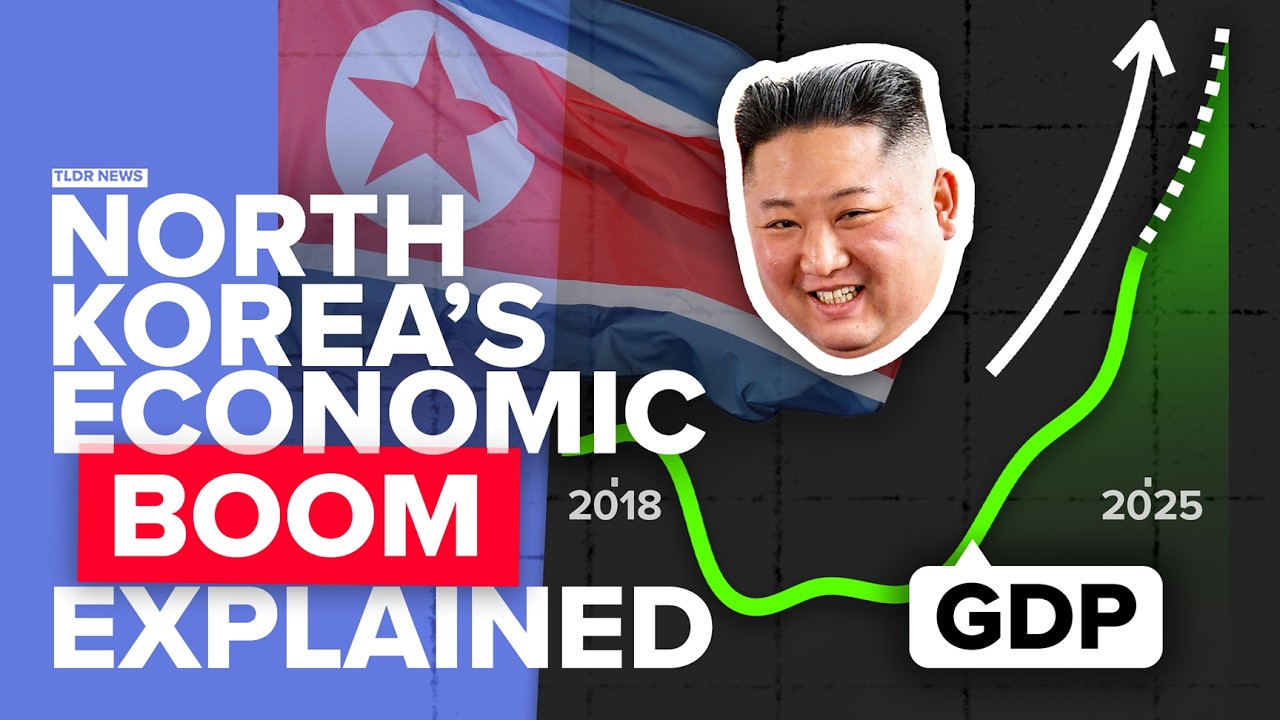
Reliable economic data from North Korea is scarce, but estimates from the Bank of Korea and the United Nations suggest that the country’s Gross National Income (GNI) has grown at an average rate of 2 to 3 percent per year over the past decade. While modest by global standards, this is significant for a nation under heavy sanctions.
The service sector, including retail, transportation, and construction, has led this growth. In major cities like Pyongyang, new apartment buildings, restaurants, and even smartphone usage are visible signs of rising prosperity—at least for those with access to foreign currency.
The Dark Side of the Boom
This economic growth, however, is deeply uneven. The vast majority of North Koreans still live in poverty, and the gap between the rich and poor is widening. The donju and high-ranking officials enjoy imported goods, private cars, and modern housing, while rural populations often struggle with basic needs.
Moreover, the market economy operates without legal protections. There is no property rights system, no contract enforcement, and no rule of law. Businesses can be shut down arbitrarily, and individuals can be arrested for “anti-socialist” behavior. The growth is thus fragile, dependent on the regime’s tolerance and the whims of its leadership.
Why This Matters
North Korea’s economic boom challenges the narrative that sanctions alone can bring the regime to its knees. Instead, the country has found ways to adapt, creating a unique form of state-controlled capitalism. This hybrid system allows the Kim regime to maintain political control while still generating enough wealth to keep the population from revolting.
For the international community, the lesson is clear: economic pressure must be paired with a deeper understanding of how North Korea actually functions. The market is not the enemy of the regime—it is, paradoxically, one of its strongest pillars.