From Prison Cell to Presidency: The Extraordinary Comeback of Lula da Silva
In 2018, Luiz Inácio Lula da Silva was jailed on corruption charges, his political career seemingly finished. Four years later, he returned to lead Brazil for a third time.
In 2018, Luiz Inácio Lula da Silva was jailed on corruption charges, his political career seemingly finished. Four years later, he returned to lead Brazil for a third time. His comeback is one of the most remarkable reversals in modern political history — and it reveals as much about Brazil's institutions as it does about the man himself.
A Meteoric Rise
Lula's story began in poverty. Born in 1945 in rural Pernambuco, he moved to São Paulo as a child and left school early to work as a metalworker. He rose through the union movement, leading major strikes in the 1970s that challenged Brazil's military dictatorship. In 1980, he founded the Workers' Party (Partido dos Trabalhadores, or PT), a left-wing party built on organized labor.
After three failed presidential bids, Lula won in 2002. His first term coincided with a global commodities boom that filled Brazil's coffers. His government expanded social welfare programs, most notably Bolsa Família, a cash-transfer scheme that lifted millions out of extreme poverty. He left office in 2011 with record approval ratings and was succeeded by his hand-picked successor, Dilma Rousseff.
The Fall
Rousseff's second term collapsed amid a deep recession and a sprawling corruption investigation known as Operation Car Wash (Lava Jato), which exposed systemic graft at the state oil company Petrobras. Rousseff was impeached and removed from office in 2016. Lula himself was soon caught in the investigation's net.
In 2017, he was convicted of corruption and money laundering. The following year, he was jailed. The conviction barred him from running in the 2018 election, which he had been favored to win. He spent 580 days behind bars. His imprisonment divided the country and turned him into a symbol for supporters, who viewed the case as politically motivated.
The Reversal
In 2019, leaked messages revealed that the judge overseeing Lula's case, Sergio Moro — who later became justice minister under Lula's rival, Jair Bolsonaro — had appeared to coordinate improperly with prosecutors. Brazil's Supreme Court subsequently annulled Lula's convictions on procedural grounds, ruling that the original court lacked jurisdiction. The court did not acquit him; it voided the proceedings, restoring his political rights.
Meanwhile, Bolsonaro's presidency was battered by his chaotic handling of the COVID-19 pandemic, which killed more than 600,000 Brazilians, and by his rejection of scientific guidance. His popularity eroded.
The Return
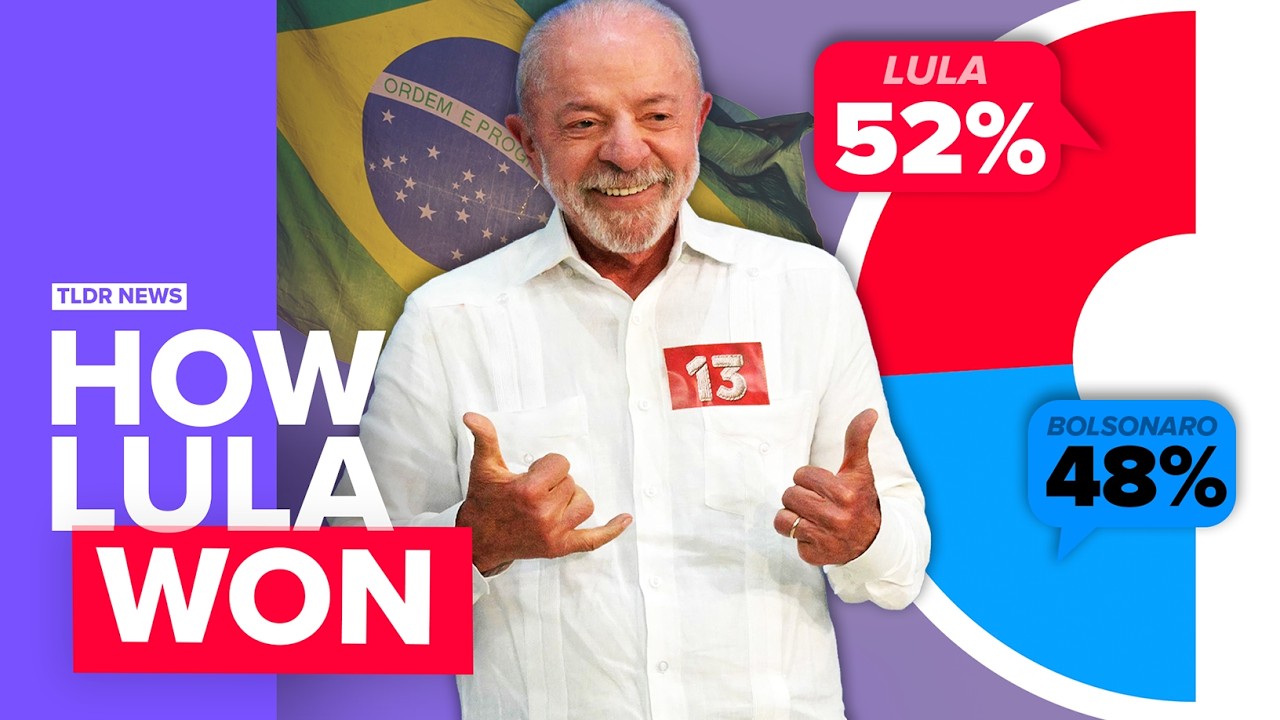
Lula entered the 2022 presidential race and defeated Bolsonaro in a narrow runoff. On January 1, 2023, he took office for a third term. His return came after Bolsonaro's supporters stormed government buildings in Brasília, in scenes reminiscent of the U.S. Capitol attack — a test of Brazil's democratic resilience that Lula's inauguration ultimately passed.
What It Means
Lula's comeback carries several lessons. First, legal systems can reverse themselves: Lula's release rested on procedural rulings, not exoneration, and the episode raised hard questions about judicial impartiality. Second, social programs build durable political loyalty — Bolsa Família remains a cornerstone of Lula's support. Third, democratic institutions in Brazil held under pressure, though they remain contested.
Lula's story is not simply one of personal resilience. It is a case study in how corruption investigations, judicial politics, and inequality can reshape a nation's leadership — and how quickly fortunes can reverse.