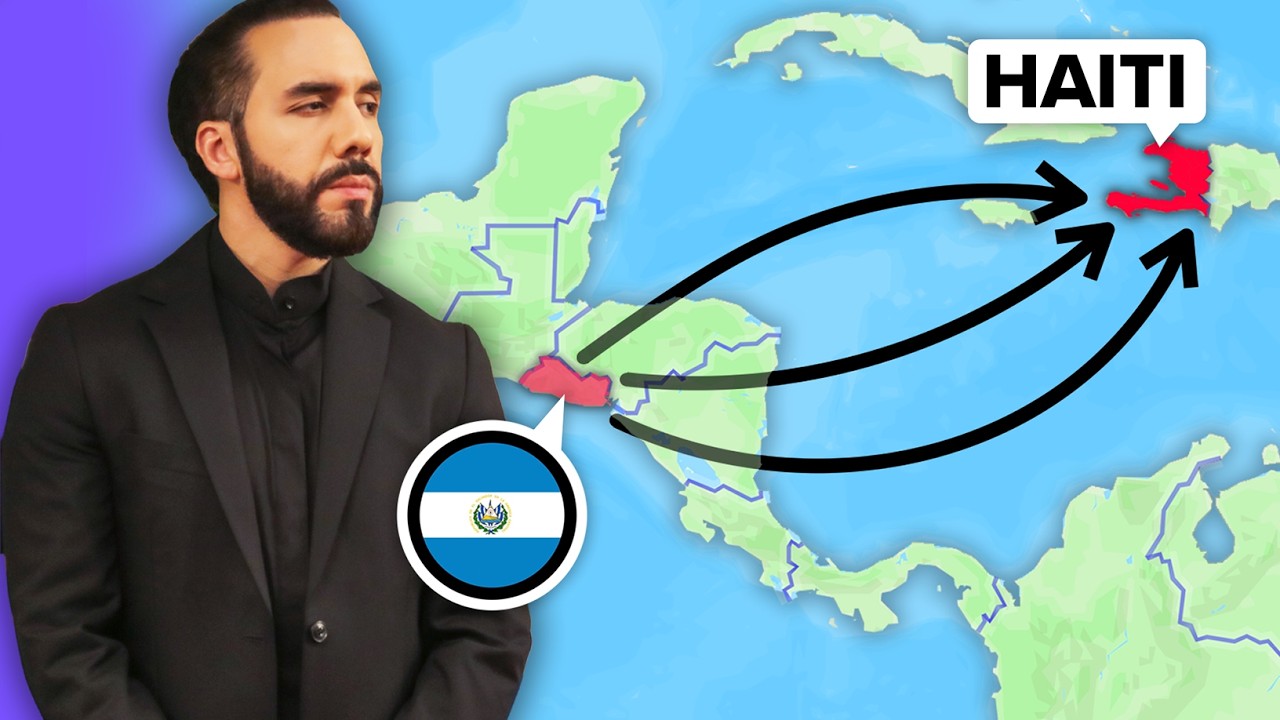
El Salvador’s Controversial Gamble: A Sovereign Solution to Haiti’s Gang Crisis?
El Salvador is proposing an unprecedented intervention in Haiti, offering to deploy security forces to quell the Caribbean nation’s spiraling gang violence. The move signals a potential shift in international crisis management, raising complex questions about sovereignty, human rights, and the expo
El Salvador is proposing an unprecedented intervention in Haiti, offering to deploy security forces to quell the Caribbean nation’s spiraling gang violence. The move signals a potential shift in international crisis management, raising complex questions about sovereignty, human rights, and the exportability of controversial security models.
A Nation Under Siege
Haiti is currently grappling with a catastrophic security breakdown. Gangs control vast swathes of the capital, Port-au-Prince, paralyzing the economy and triggering a humanitarian disaster. The assassination of President Jovenel Moïse in 2021 created a power vacuum that armed groups have exploited, leading to widespread kidnappings, sexual violence, and mass displacement.
The Salvadoran Offer
In response to this crisis, El Salvador has stepped forward with a striking proposal. The government has suggested sending a contingent of its security forces to assist in stabilizing Haiti. This offer comes as the United Nations and regional bodies struggle to organize a multinational security support mission, which has faced logistical hurdles and a lack of troop commitments.
The Bukele Model
El Salvador’s involvement is inextricably linked to the security strategy of President Nayib Bukele. His administration has gained global attention for its aggressive crackdown on gangs, utilizing a state of exception that suspends certain constitutional rights. This approach has drastically reduced homicide rates in El Salvador, transforming one of the world’s most dangerous countries into one of the safest in the Western Hemisphere.
However, the "Bukele model" is highly controversial. Critics argue that the mass incarceration of suspected gang members—often without due process—violates human rights and masks a democratic backsliding. By offering to bring this specific methodology to Haiti, El Salvador is positioning its security policy as a viable export for nations facing similar insurgencies.
Geopolitical Implications
The offer highlights a growing frustration with traditional international interventions. Historically, UN peacekeeping missions in Haiti have been marred by scandal and allegations of introducing cholera, leaving a legacy of distrust. El Salvador’s proposal suggests a shift toward "South-South" cooperation, where nations with recent experience in combating insurgency take the lead.
The Road Ahead
For the proposal to materialize, it would require significant logistical support and likely international funding, as El Salvador lacks the naval and airlift capabilities to project force independently. Furthermore, deploying troops to a foreign conflict zone is a political risk for President Bukele, whose popularity is tied to domestic security.
As Haiti continues to burn, the international community faces a stark reality: traditional solutions are failing. El Salvador’s offer presents a bold, if contentious, alternative. Whether this intervention becomes a reality or remains a symbolic gesture, it underscores the desperation of the moment and the evolving nature of global security alliances.
Related Coverage
Related Editorials
France on the Brink: Is This the Unravelling of a Nation?
France is once again convulsed by violent unrest, and the question echoing across its cities is whether this is merely another episode of social turmoil—or something far more serious. The riots have forced the government into crisis mode, exposed deep fractures in French society, and raised doubts
Mali’s Bold Pivot: How a Surprise Alliance Is Redrawing West Africa’s Geopolitical Map
In a region already defined by coups, sanctions, and shifting loyalties, one man’s unexpected diplomatic gambit is sending shockwaves through West Africa. Colonel Assimi Goïta’s Mali has long been a flashpoint for international tension, but the latest development—a deepening military and political