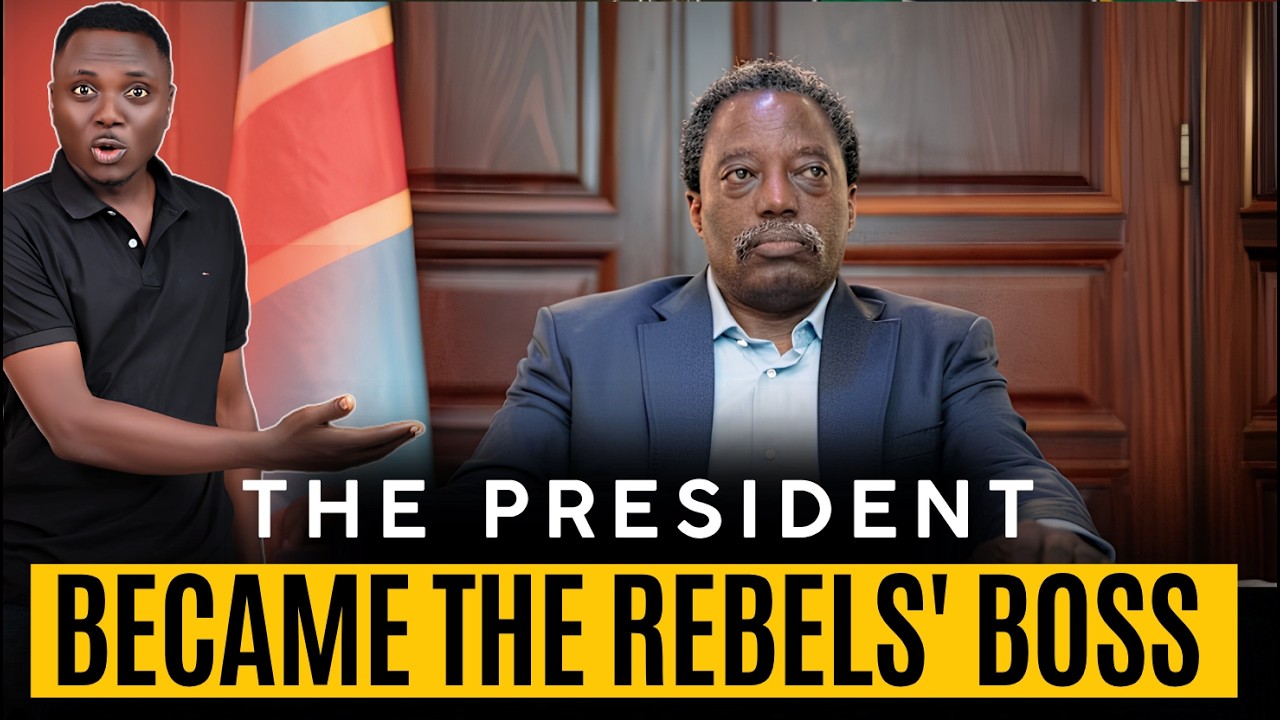
# From President to Rebel: The Real Reason Behind Kabila's Move
Introduction Joseph Kabila's return to the political forefront in the Democratic Republic of Congo (DRC) has raised questions about his intentions. Once a president who held power for nearly two decades, Kabila now positions himself as a rebel leader.
Introduction
Joseph Kabila's return to the political forefront in the Democratic Republic of Congo (DRC) has raised questions about his intentions. Once a president who held power for nearly two decades, Kabila now positions himself as a rebel leader. This article examines the factors driving his dramatic shift and what it means for the DRC's fragile political landscape.
A President Turned Insurgent
Joseph Kabila served as President of the DRC from 2001 to 2019. His departure from office marked the first peaceful transfer of power in the country's history. However, Kabila did not retreat from politics entirely. He maintained influence through allies embedded in state institutions and continued to control significant economic assets.
Now, Kabila has aligned himself with armed groups in the eastern DRC. This move represents a sharp break from his previous role as head of state. Understanding why requires examining the pressures he faces and the calculations behind his decision.
The Threat of Accountability
One primary driver of Kabila's shift is the fear of prosecution. During his tenure, allegations of corruption, human rights abuses, and mismanagement of state resources accumulated. International bodies and domestic critics have called for investigations into his actions while in office.
Current President Félix Tshisekedi has signaled openness to holding predecessors accountable. For Kabila, returning to power—or at least destabilizing the current government—may serve as a shield against legal consequences. By positioning himself as a rebel leader, he creates leverage and complicates efforts to bring him to justice.
Economic Interests at Stake
Kabila's family and associates built extensive business empires during his rule, particularly in mining and telecommunications. The DRC holds vast reserves of cobalt, copper, and other minerals critical to global industries. These assets generate enormous wealth and influence.
Tshisekedi's government has taken steps to review and renegotiate contracts signed under Kabila. This threatens the financial foundations of Kabila's network. Protecting these interests provides strong motivation for Kabila to resist the current administration and maintain control over key territories and resources.
Political Marginalization
Since leaving office, Kabila has watched his political influence diminish. Allies have been sidelined, and Tshisekedi has consolidated power through strategic alliances and institutional reforms. The ruling coalition that once included Kabila's supporters has fractured.
For a leader accustomed to commanding national attention, marginalization is unacceptable. By adopting a rebel stance, Kabila reclaims relevance and forces the government to negotiate with him. He transforms from a fading former president into a central figure in the country's security and political calculations.
Regional Dynamics and External Support
The eastern DRC has long been a theater for regional rivalries. Rwanda, Uganda, and other neighbors have interests in the area's resources and security. Kabila's move may be part of a broader strategy involving external actors who prefer him over the current government.
Reports suggest that Kabila has cultivated relationships with armed groups and possibly foreign backers. This support enables him to operate as a rebel leader despite lacking formal state power. The alignment of regional interests with Kabila's ambitions adds complexity to an already volatile situation.
Implications for the DRC
Kabila's transformation from president to rebel carries significant consequences. It threatens the stability of Tshisekedi's government and could reignite large-scale conflict in the east. The presence of a former head of state leading insurgent forces erodes public trust in democratic institutions.
The situation also complicates international engagement. Foreign governments and organizations must navigate relationships with both the current administration and a powerful former leader operating outside legal frameworks. Humanitarian concerns grow as civilian populations face renewed violence and displacement.
Conclusion
Joseph Kabila's shift from president to rebel reflects a combination of legal, economic, and political pressures. Facing potential prosecution, threatened business interests, and diminishing influence, he has chosen confrontation over retirement. His actions destabilize the DRC and challenge the country's democratic progress.
Whether Kabila's gambit succeeds depends on multiple factors: the government's response, regional dynamics, and international pressure. What remains clear is that the DRC's political crisis is far from resolved. The former president's return as an insurgent signals that the battle for power and accountability continues.