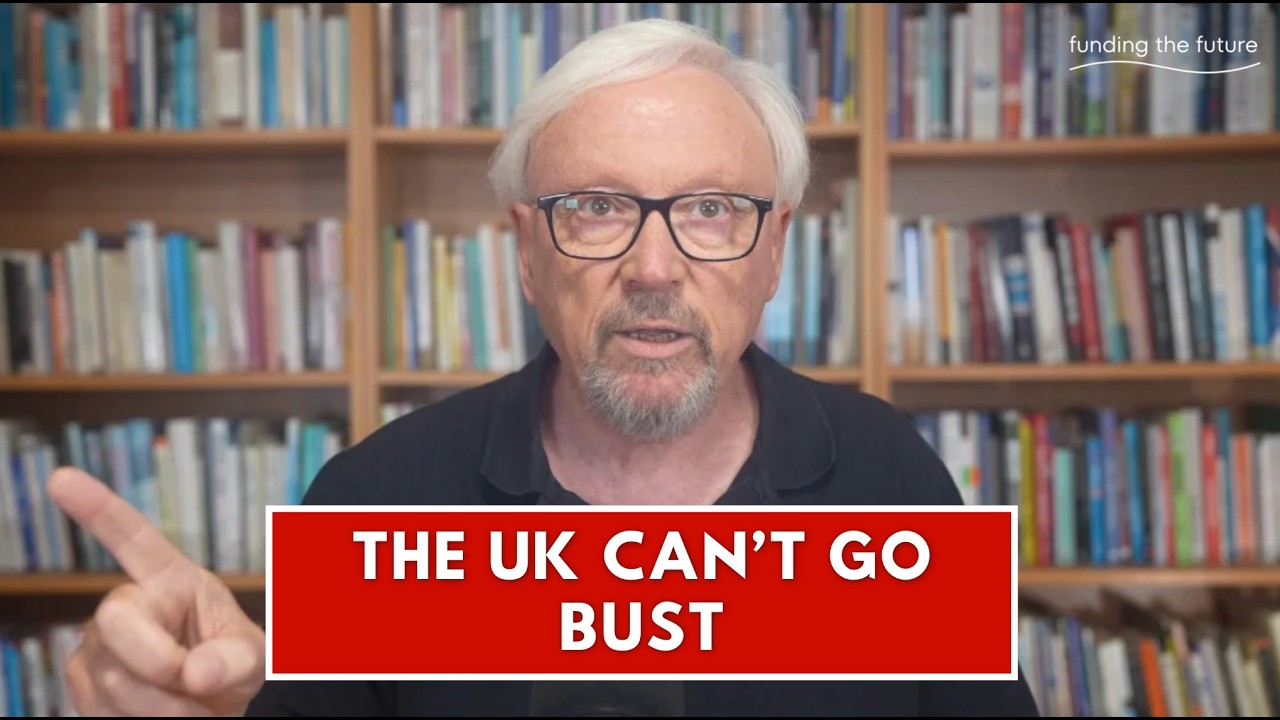
The IMF Bailout Myth: Why The Telegraph’s Warning About Britain Is Wrong
When a major newspaper warns that Britain is heading for an International Monetary Fund (IMF) bailout, markets listen. When that newspaper is *The Telegraph*, a pillar of British conservative journalism, the claim carries weight.
When a major newspaper warns that Britain is heading for an International Monetary Fund (IMF) bailout, markets listen. When that newspaper is The Telegraph, a pillar of British conservative journalism, the claim carries weight. But is it true? A careful examination of the facts reveals a different story—one that underscores the dangers of sensationalism in economic reporting.
The Claim
In a recent article, The Telegraph argued that the United Kingdom’s rising debt levels and sluggish growth could force the government to seek emergency financial assistance from the IMF. The newspaper drew parallels to the 1976 IMF bailout, when Britain was famously forced to borrow $3.9 billion under strict conditions. The implication was clear: history is repeating itself.
The Reality
The comparison is misleading. The UK economy in 2024 is fundamentally different from the economy of 1976. Today, Britain has its own central bank, a floating exchange rate, and a vastly more diversified economy. The IMF itself has repeatedly stated that the UK’s debt is sustainable. In its latest Article IV consultation, the Fund praised the government’s fiscal plans and noted that the economy is on a stable path.
Key Differences
First, the 1976 crisis was triggered by a collapse in the pound sterling, which forced the government to borrow in foreign currency. Today, the UK borrows in its own currency, the pound, and the Bank of England can act as a lender of last resort. Second, Britain’s debt-to-GDP ratio, while high, is not out of line with other advanced economies. Third, the UK’s financial markets remain deep and liquid, meaning the government can refinance its debt without external assistance.
Why the Narrative Persists
The Telegraph’s warning taps into a deep-seated anxiety about Britain’s economic prospects. After Brexit, the pandemic, and the energy crisis, many Britons feel their country is in decline. Sensational headlines sell newspapers, and an IMF bailout is a powerful image. But economic reality is more nuanced. The UK faces real challenges—low productivity, high inflation, and regional inequality—but an IMF bailout is not among them.
The Danger of Misinformation
Spreading false claims about an IMF bailout has real consequences. It can undermine investor confidence, increase borrowing costs, and create unnecessary panic. The government’s credibility, already strained, suffers further. Journalists have a responsibility to report accurately, especially when discussing complex economic issues that affect people’s livelihoods.
Conclusion
Britain is not heading for an IMF bailout. The country faces serious economic problems, but they require domestic solutions—not international rescue. The Telegraph’s warning is not just wrong; it is dangerous. Readers deserve better than fear-mongering disguised as analysis. They deserve facts, context, and a clear-eyed assessment of what Britain actually needs to do to secure its economic future.
Related Editorials
Britain’s £3 Trillion Debt: The Number That Lies
When politicians or pundits cite the United Kingdom’s national debt, they usually point to a staggering figure: roughly £3 trillion. It is a number large enough to dominate headlines and fuel debates about fiscal responsibility.
The Finance Curse: Is London’s Financial Powerhouse Draining Britain’s Economy?
For decades, the prevailing wisdom in British economic policy has been that a thriving financial sector in London—the City—is a national asset. The logic seemed simple: banking, insurance, and investment generate tax revenue, create high-paying jobs, and project global influence.