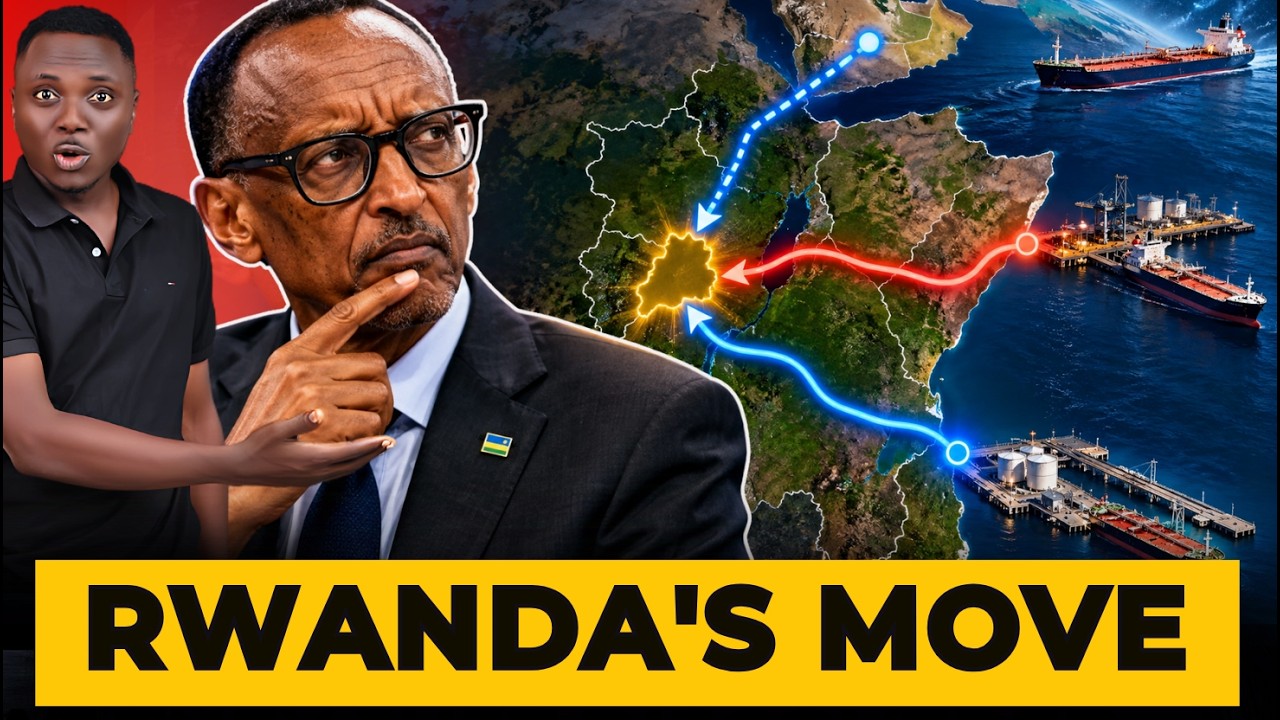
# Rwanda Owns a Piece of Kenya Now
Kenya's quiet land transfer to a foreign government raises uncomfortable questions about sovereignty, secrecy, and the true cost of diplomacy. --- In a move that has largely escaped public scrutiny, Kenya has granted Rwanda ownership of a prime parcel of land on Kenyan soil.
Kenya's quiet land transfer to a foreign government raises uncomfortable questions about sovereignty, secrecy, and the true cost of diplomacy.
In a move that has largely escaped public scrutiny, Kenya has granted Rwanda ownership of a prime parcel of land on Kenyan soil. The transfer marks a significant—and controversial—shift in how the two East African nations conduct business.
The Deal
The arrangement centers on a piece of real estate in Kenya that now belongs to the Rwandan government. While the exact terms remain murky, the implications are clear: a foreign state holds sovereign title to land within Kenya's borders.
This is not a lease. It is not a joint venture. It is ownership—outright and permanent.
Why It Matters
Land is among the most sensitive issues in Kenya. Historically, disputes over land rights have fueled ethnic tension, political instability, and violence. For the Kenyan government to hand over territory to a foreign power—even a friendly one—touches a raw nerve.
Critics argue the deal undermines Kenya's sovereignty. Supporters frame it as a gesture of Pan-African solidarity and a step toward deeper regional integration.
The Silence
Perhaps most striking is the lack of transparency. The agreement was not widely debated in Parliament. It was not subject to robust public consultation. It simply happened.
This silence raises troubling questions:
- Who approved the transfer? Under what legal authority?
- What does Kenya receive in return? Diplomatic goodwill? Economic concessions? Nothing at all?
- What precedent does this set? If Rwanda can own Kenyan land, what stops other nations from seeking the same?
The Regional Context
Rwanda has pursued an aggressive strategy of expanding its influence across East Africa. Under President Paul Kagame, the country has invested heavily in regional infrastructure, security partnerships, and diplomatic outreach.
Kenya, by contrast, has struggled with internal challenges—economic pressure, political infighting, and public distrust of government deals conducted behind closed doors.
The land transfer fits a pattern: Rwanda acting decisively, Kenya reacting passively.
The Bottom Line
A foreign government now owns a piece of Kenya. Whether this is a masterstroke of diplomacy or a quiet surrender of sovereignty depends on whom you ask.
What is undeniable is that the deal was done without meaningful public debate—and that, in a democracy, is a problem.
This article is based on available information and does not speculate beyond confirmed facts.
Related Coverage
Kenya and South Africa Just Signed 6 Deals to Supercharge Trade – Here’s What’s Changing
Kenya and South Africa have signed six new agreements to boost trade, improve shipping, and strengthen cultural and political ties between the two nations.
Kenya Sends Top Diplomat to Russia Over “Forced” Fighters in Ukraine
Kenya is sending its foreign minister to Moscow for urgent talks after accusing recruiters of tricking citizens into fighting for Russia in Ukraine.
Related Editorials
Title: The Unseen Engine of Kenya’s Economy: Why Parliament Isn’t in the Driver’s Seat
Introduction When observers analyze Kenya’s economic trajectory, the political drama in Parliament often dominates the headlines. Yet, the true engine driving the nation’s growth—and its vulnerabilities—operates far from the legislative chambers.
Title: Africa’s Silent Giant: The $5 Billion Megaproject Reshaping the World’s Economy
Introduction While global attention fixates on trade wars and energy crises, a quiet revolution is underway in North Africa. Morocco has just completed a project that analysts are calling the most consequential infrastructure development for the continent in decades—yet it has barely made headl