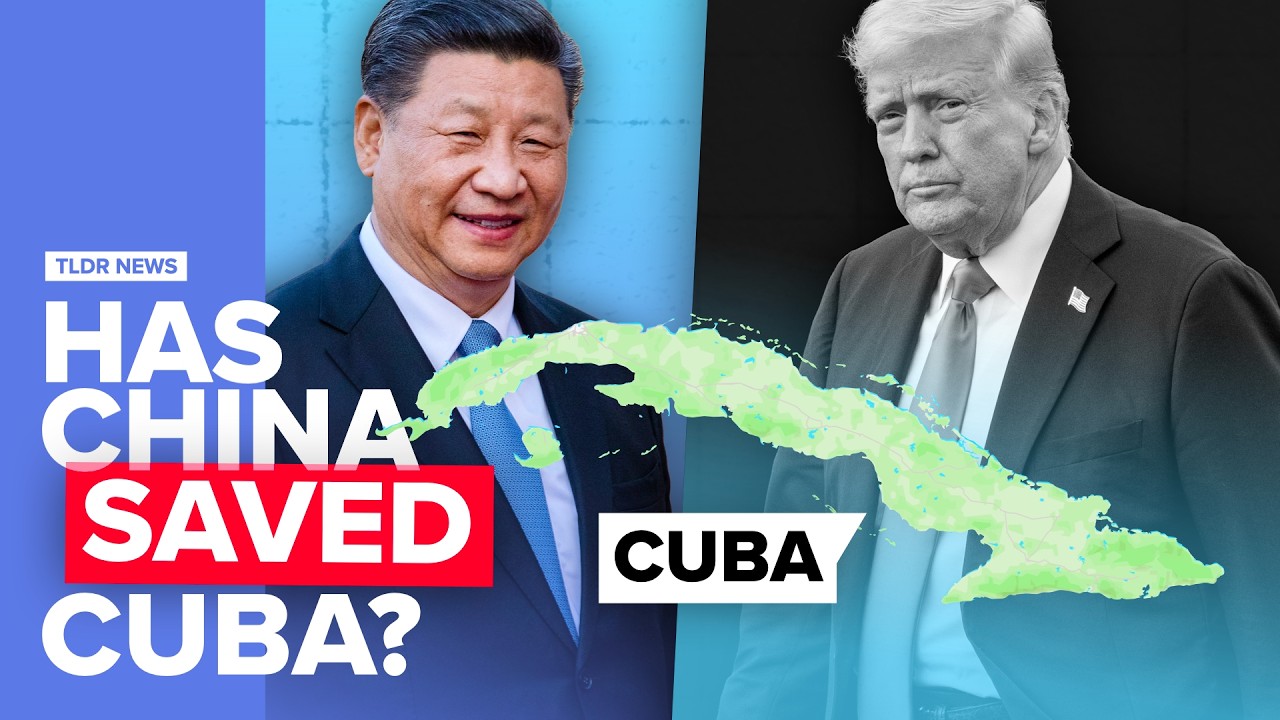
How Chinese Solar Panels Became Cuba’s Unexpected Lifeline
When the Cold War ended, Cuba lost its primary benefactor. The Soviet Union’s collapse in 1991 plunged the island into a severe economic crisis known as the “Special Period,” marked by blackouts, food shortages, and a desperate search for energy independence.
When the Cold War ended, Cuba lost its primary benefactor. The Soviet Union’s collapse in 1991 plunged the island into a severe economic crisis known as the “Special Period,” marked by blackouts, food shortages, and a desperate search for energy independence. Three decades later, a new player has stepped in: China. Through a series of solar energy projects, Chinese firms have helped stabilize Cuba’s fragile power grid—but not without complications. This is the story of how Chinese solar power became Cuba’s partial savior, and why that salvation remains incomplete.
The Energy Crisis That Never Fully Ended
Cuba’s electricity system has long been vulnerable. The island relies heavily on imported oil, much of it from Venezuela at preferential prices. When those shipments falter or prices fluctuate, the grid suffers. Rolling blackouts have become a recurring feature of daily life, particularly in rural areas and during peak demand hours.
The government’s response has been twofold: repair aging thermoelectric plants and diversify energy sources. Solar power emerged as the most viable option, given Cuba’s abundant sunshine and the falling cost of photovoltaic technology. But the island lacked the capital and technical expertise to build a solar industry from scratch. That is where China entered the picture.
The Chinese Arrival
Since the mid-2010s, Chinese state-backed companies have signed dozens of agreements to supply solar panels, inverters, and installation services to Cuba. These projects range from small community arrays to utility-scale farms. The terms are often favorable: low-interest loans, deferred payments, and barter arrangements involving Cuban exports like nickel and sugar.
The most visible result is a series of solar parks in provinces such as Pinar del Río, Matanzas, and Santiago de Cuba. These facilities generate hundreds of megawatts, enough to power hundreds of thousands of homes during daylight hours. For a country that once struggled to keep the lights on, the difference is tangible.
The “Sort Of” Caveat
Yet the headline promise of “saving Cuba” requires qualification. Solar power is intermittent—it only works when the sun shines. Cuba’s grid still depends on fossil fuels for nighttime and cloudy days. The aging infrastructure also limits how much solar energy can be integrated without risking instability. In some cases, new solar arrays have been installed but remain underutilized due to transformer shortages or grid congestion.
Moreover, the financial model is not purely altruistic. China’s involvement is strategic: it secures a geopolitical foothold in the Caribbean, gains access to Cuban resources, and creates a market for its own manufactured goods. Cuba, in turn, accepts a degree of dependency on Beijing, replacing one patron with another.
What This Means for the Future
The Cuban government has set ambitious targets: solar and other renewables are meant to supply 24% of electricity by 2030. Current progress is slow, with renewables still accounting for a single-digit percentage of the mix. The Chinese projects have accelerated the timeline, but they do not solve the structural problems of underinvestment, fuel import dependence, and equipment maintenance.
For ordinary Cubans, the change is real but uneven. Some communities enjoy more reliable power; others still face daily outages. The long-term outcome depends on whether Cuba can maintain the new solar infrastructure, train local technicians, and secure financing for battery storage—a technology that would address the intermittency issue.
Conclusion
Chinese solar power has not saved Cuba, but it has offered a lifeline. It has reduced the severity of blackouts, introduced renewable energy at scale, and opened a new chapter in Cuba’s foreign relations. The “sort of” in the original title is not a hedge; it is an accurate reflection of a complex reality. Cuba’s energy future is brighter than it was a decade ago, but it remains tethered to external partners and the relentless rhythm of the sun.