From Atheism to Altar: Why Ayaan Hirsi Ali Embraced Christianity
For decades, Ayaan Hirsi Ali was one of the world’s most vocal atheists—a former Muslim who fled war-torn Somalia, survived an assassination order, and dedicated her life to critiquing religion. Yet in a startling reversal, the author and human rights activist recently announced she has converted t
For decades, Ayaan Hirsi Ali was one of the world’s most vocal atheists—a former Muslim who fled war-torn Somalia, survived an assassination order, and dedicated her life to critiquing religion. Yet in a startling reversal, the author and human rights activist recently announced she has converted to Christianity. In a brief but powerful statement, Hirsi Ali explained the reasoning behind her spiritual shift, offering a glimpse into a journey that has surprised followers and critics alike.
The Announcement
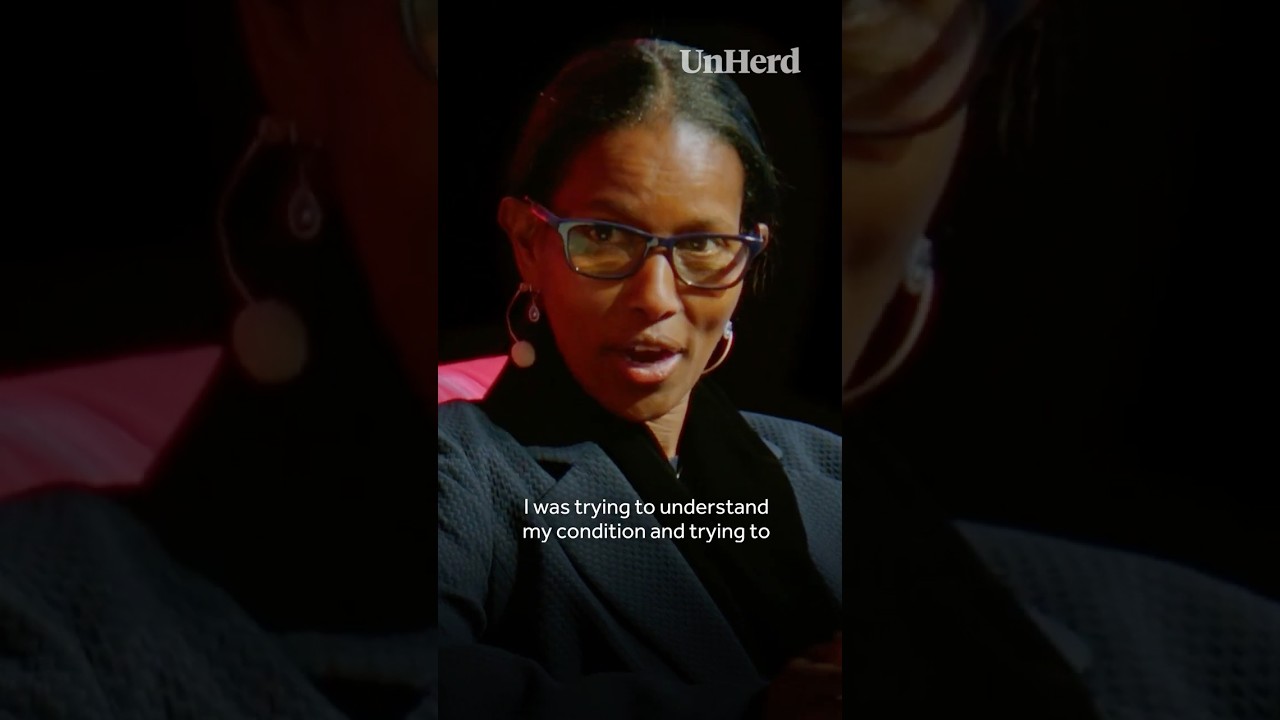
In a recent video, Hirsi Ali confirmed her conversion, stating plainly: “I am now a Christian.” The declaration marks a profound departure from her previous stance, where she argued that all religions were equally dangerous and that secularism was the only path to reason and progress.
The Core Reason: Moral Defense
Hirsi Ali’s conversion is not rooted in a sudden mystical experience or a newfound belief in the supernatural. Instead, she framed her decision as a strategic and philosophical necessity. She explained that Western civilization is facing an existential crisis, and that the moral framework required to defend it—freedom of speech, individual rights, and human dignity—cannot survive without a religious foundation.
“We are in a war against an ideology that wants to destroy us,” she stated, referring to the rise of political Islamism and the erosion of Western values. For Hirsi Ali, Christianity provides the historical and cultural scaffolding that supports the very ideals she has fought to protect. She argued that secularism alone is too weak to withstand the aggressive challenges of totalitarian ideologies.
A Practical, Not Theological, Faith
It is crucial to note that Hirsi Ali’s Christianity is less about theology and more about utility. She does not claim to have had a divine revelation. Rather, she sees the Christian tradition as the most effective “container” for the moral codes that enable a free society. She described her faith as a “rational choice,” acknowledging that while she may not affirm every doctrine, she accepts the moral teachings and the historical role of the Church in shaping the West.
The Broader Context
This announcement comes after years of Hirsi Ali warning about the “cultural suicide” of Europe and the West. She has consistently argued that a society that abandons its religious roots loses the ability to defend itself against those who take their own faith—and ideology—seriously. Her conversion, therefore, is the logical conclusion of her long-standing argument: if you want to preserve liberal democracy, you must defend the Judeo-Christian values that gave birth to it.
Implications
Hirsi Ali’s journey from Islam to atheism to Christianity is more than a personal biography; it is a political statement. It challenges the assumption that modernity and secularism are synonymous. For her, the choice was not between faith and reason, but between a society with a moral anchor and one adrift in relativism.
As she embarks on this new chapter, her voice will likely resonate with those who feel that the West has lost its confidence. Whether one agrees with her conclusions or not, her decision forces a critical conversation about the role of religion in public life—and whether a civilization can survive without it.