The Coming Oil Shock: Why a Price Spike Is Now Inevitable
The global oil market is tightening, and the signs point to a significant price surge. For months, analysts have debated the trajectory of crude, but a convergence of supply constraints, shifting demand patterns, and geopolitical instability now suggests that a sharp increase is not just possible—i
The global oil market is tightening, and the signs point to a significant price surge. For months, analysts have debated the trajectory of crude, but a convergence of supply constraints, shifting demand patterns, and geopolitical instability now suggests that a sharp increase is not just possible—it is increasingly likely.
The Supply Squeeze: Where Is the New Oil?
The most critical factor driving this potential price spike is a structural shortage in supply. For years, underinvestment in new exploration and production has created a looming gap. While the world consumes roughly 100 million barrels of oil per day, new projects take years to bring online. The era of easy, cheap oil is ending.
Simultaneously, the Organization of the Petroleum Exporting Countries (OPEC) and its allies, led by Saudi Arabia and Russia, continue to enforce production cuts. Their stated goal is to support prices, but the strategy has a compounding effect. As global inventories draw down, the market loses its buffer against unexpected disruptions. Even a minor outage—a pipeline leak, a refinery fire, or a sudden geopolitical event—can now trigger outsized price moves.
Demand: Stubbornly Resilient
Contrary to predictions of a rapid transition away from fossil fuels, global oil demand remains stubbornly high. Developing economies, particularly in Asia, continue to drive consumption. Air travel has fully recovered, and petrochemical demand for plastics and industrial inputs remains robust. While electric vehicle adoption grows, it has not yet eroded the absolute volume of oil needed to power the global economy.
This resilience means that any supply cut is directly translated into higher prices. The market is currently balanced on a knife’s edge, and the balance tilts toward scarcity.
The Geopolitical Wildcard
Geopolitics add another layer of risk. The war in Ukraine continues to disrupt Russian exports, even as new sanctions target Moscow’s revenue. In the Middle East, tensions in the Strait of Hormuz—a chokepoint for nearly a fifth of the world’s oil—remain a constant threat. Any escalation in this region could remove millions of barrels from the market overnight.
Furthermore, political instability in key producers like Venezuela and Libya has kept their output far below historical capacity. These are not temporary problems; they are structural weaknesses in the global supply chain.
What This Means for Prices
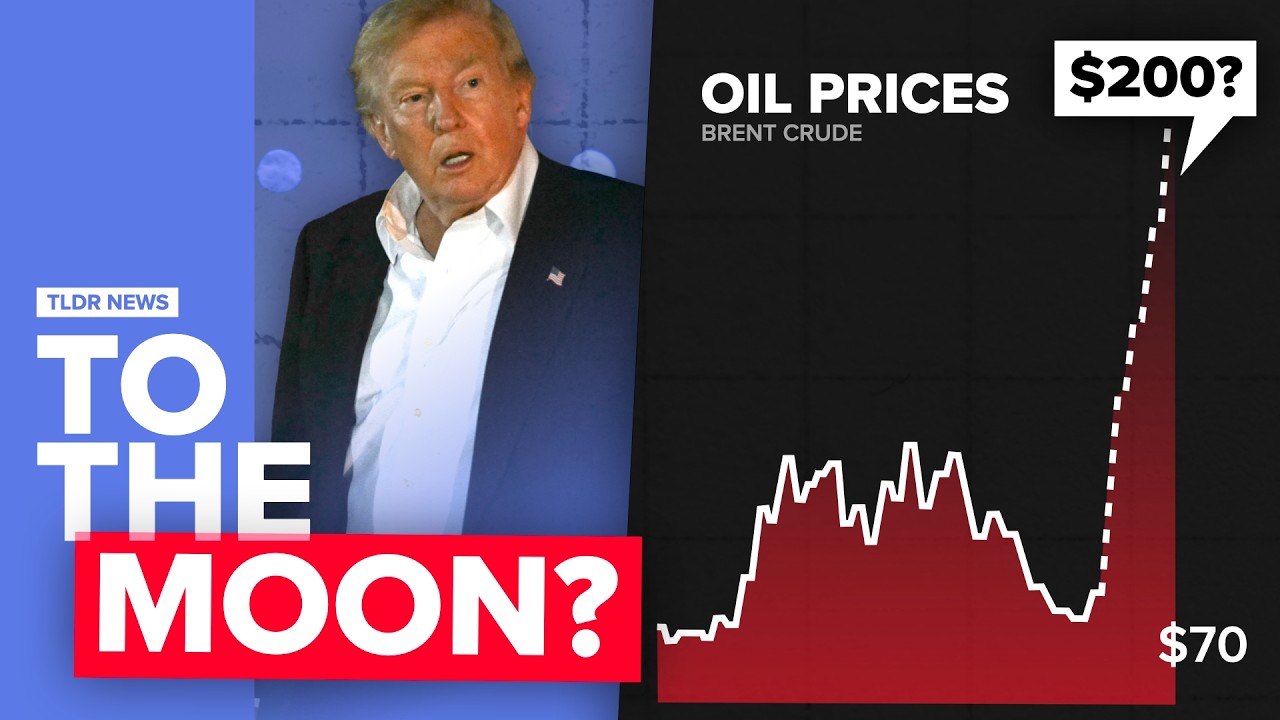
The combination of these factors creates a powerful upward pressure on prices. Analysts now warn that a return to $100 per barrel—or even higher—is within reach. For consumers, this translates into higher costs at the pump, increased heating bills, and broader inflationary pressure. For businesses, it means rising input costs and squeezed margins.
The key takeaway is clear: the oil market is entering a period of extreme vulnerability. The days of abundant, cheap supply are over. Investors and policymakers alike must prepare for a volatile and potentially painful adjustment. The question is no longer if prices will rise, but how high they will go—and how long the world can sustain the shock.
Related Coverage
Oil Shock: Middle East Tensions Push Prices Up as 11.7 Million More Women and Girls Face Hunger
A UN Women analysis warns that disruption to the Strait of Hormuz is driving up food prices and could push 11.7 million more women and girls into food insecurity by the end of 2026, as oil prices climb amid escalating Middle East tensions.
Global Oil Stockpiles Shrink for Second Month as Hormuz Standoff Tightens Supply
Global commercial oil inventories have fallen for a second consecutive month, signaling a tightening market as the standoff in the Strait of Hormuz continues to disrupt shipping routes and fuel supply concerns [225854]. The drawdown is putting upward pressure on crude prices, though gains have been tempered by weak economic growth in some regions [225854].
Oil Prices Surge 20% This Month as US-Iran Fighting Escalates, Pushing Gas Above $4
Gas prices have surged past $4 a gallon as crude oil jumped roughly 20% this month following a sharp escalation in fighting between the United States and Iran, with analysts warning that relief at the pump is weeks away.
Oil Prices Surge Past $78 as U.S.-Iran Showdown Threatens to Shut Down the Strait of Hormuz
Oil prices have surged sharply, with Brent crude jumping over 3% to more than $78 a barrel, as escalating U.S.-Iran hostilities and a renewed U.S. naval blockade threaten to disrupt the Strait of Hormuz, a critical chokepoint for about one-fifth of the world’s oil supply.
Chokepoints, Climate Shocks, and Empty Shelves: How a Converging Crisis Is Squeezing the Global Economy
War, energy disruptions, climate disasters, and tightening credit are reinforcing one another in 2026, pushing oil past $100 a barrel, reviving inflation, and forcing ordinary households to absorb costs while energy companies post record profits.
Oil Shock and Realignment: How War, Chokepoints, and Rising Rates Are Reshaping the Global Economy
A wave of attacks on oil infrastructure and shipping lanes has pushed crude above $100 a barrel, reigniting inflation and forcing central banks to tighten — all while deepening inequality and exposing how fragile the global economic order has become.
Related Editorials
The Coming Energy Market Meltdown: Why Experts Are Sounding the Alarm
Global energy markets are approaching a critical inflection point. While the transition to renewable sources dominates headlines, a less visible but equally dangerous crisis is brewing beneath the surface—one that could destabilize power grids, spike electricity prices, and trigger widespread econo
The World Is Running Out of Oil Buffers Just as Iran Turns Up the Heat
When the United States and Iran went to war in February, oil analysts predicted catastrophe. With the Strait of Hormuz effectively closed, commentators warned of $200-a-barrel crude.
Why Trump’s Iran Oil Sanctions Will Likely Backfire on the Global Economy
In a move that has sent shockwaves through global energy markets, the Trump administration has reinstated a "maximum pressure" campaign against Iran, targeting the country’s oil exports with renewed vigor. The strategy aims to choke off Tehran’s revenue, particularly by blocking shipments through t
Is $100 Oil the Trigger for a UK Economic Crisis?
As global oil prices flirt with the $100-per-barrel threshold, a pressing question emerges for the United Kingdom: is the nation on the brink of an economic crisis? While the UK is less dependent on oil than it was during the shocks of the 1970s, the current landscape presents a unique set of vulne
Is Inflation About to Get Much Worse? The Warning Signs You Can't Ignore
After months of declining inflation rates, a new threat is emerging that could reverse all the progress central banks have made. Recent economic data suggests that the forces driving prices higher are not only persistent but may be accelerating.
OPEC’s Unraveling: Why the Cartel’s Collapse Now Looks All But Certain
For decades, the Organization of the Petroleum Exporting Countries (OPEC) has functioned as the undisputed referee of global energy markets, wielding its members’ vast crude reserves to set prices and stabilize supply. Yet, beneath the veneer of quarterly meetings and production quotas, tectonic fo