Title: The Metaverse Collapse: A $46 Billion Lesson in Tech Hype
Introduction In 2021, the technology world declared a new digital frontier. The metaverse, a persistent, shared virtual space, was supposed to be the next evolution of the internet.
Introduction
In 2021, the technology world declared a new digital frontier. The metaverse, a persistent, shared virtual space, was supposed to be the next evolution of the internet. Companies invested over $46 billion in development, with Meta alone spending $36 billion. Yet, by 2024, the term had become a punchline. How did the most hyped technology of the decade fail so spectacularly?
The Promise vs. The Reality
The concept was seductive: a fully immersive 3D world where people could work, play, and socialize. Mark Zuckerberg described it as the successor to the mobile internet. The reality, however, was a collection of empty digital spaces with clunky avatars and limited functionality.
The core problem was a fundamental disconnect between marketing and technology. The hardware required—virtual reality (VR) headsets—remained bulky, expensive, and isolating. Users had to strap a device to their face, creating a physical barrier between themselves and their real environment. This is the opposite of the seamless, integrated experience that was promised.
The Hardware Hurdle
Adoption rates tell a clear story. By 2023, Meta’s flagship Quest headset had sold roughly 20 million units. To put that in perspective, the iPhone sold that many units in its first year. The VR market remained a niche hobby, not a mass-market platform.
The user experience was equally problematic. The average user spent less than 30 minutes per session in the metaverse. Common complaints included motion sickness, poor graphics, and a lack of compelling content. Without a critical mass of users, the social aspect—the very foundation of the metaverse—collapsed. An empty virtual nightclub is just a software application with no one to talk to.
The Economic Model Was Broken
The creators of these platforms promised a new digital economy where users could own and trade virtual land and assets. Companies like Decentraland and The Sandbox sold digital real estate for millions of dollars. The speculation was driven by the idea that these plots would become valuable commercial hubs.
That did not happen. By late 2023, the average daily active users for Decentraland was less than 1,000. The value of virtual land plummeted by over 90% from its peak. The economic model was built on hype and scarcity, not on actual utility. People realized they were buying digital addresses in ghost towns.
The Avatar Problem
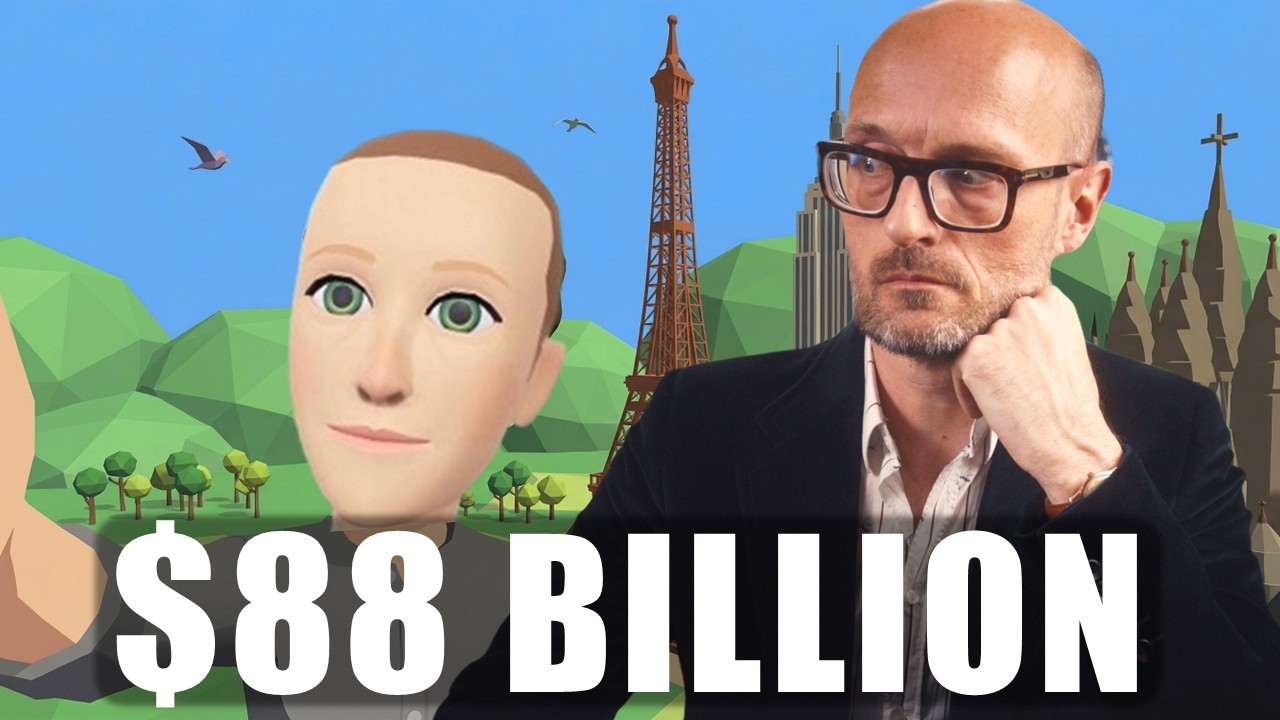
A major, often overlooked failure was the visual quality of the avatars. In early 2022, Meta released images of its Horizon Worlds platform that were widely mocked for their poor graphics. The avatars had no legs and looked like cartoon characters from a decade-old video game.
For a product that asked users to spend hours in a virtual world, the visual fidelity was unacceptable. Consumers compared it to the high-quality graphics of modern video games, and the metaverse lost. If the digital representation of yourself is unappealing, the desire to inhabit that space disappears.
The Corporate Retreat
The financial damage was immense. Reality Labs, Meta’s division responsible for the metaverse, reported operating losses of $13.7 billion in 2022 and $16.1 billion in 2023. Shareholders grew restless. By 2024, the narrative had shifted. The term "metaverse" was largely abandoned by major corporations, replaced by "artificial intelligence" as the new buzzword.
Microsoft shut down its AltspaceVR platform in 2023. Disney disbanded its entire metaverse division. The corporate retreat was swift and complete, leaving only a handful of dedicated enthusiasts and speculative investors holding the bag.
The Verdict
The metaverse failed because it tried to solve a problem that did not exist. It was a technology in search of a use case. It offered a solution to isolation by asking users to isolate themselves with expensive hardware. It promised a new economy built on digital land that had no inherent value.
The collapse serves as a cautionary tale about the difference between technological possibility and market reality. The metaverse was not killed by its critics; it was killed by its own inability to deliver a product that people actually wanted to use.
Related Editorials
How SpaceX Humiliated Wall Street
The financial world operates on a simple principle: predict the future, and profit from it. For decades, the economics of space travel were considered a solved equation—a costly, government-subsidized monopoly with no room for disruption.
The Social Reckoning That Wasn't: Why Promises of Digital Accountability Faded
In the wake of global protests and a collective push for transparency, a wave of what many called a "social reckoning" swept across industries, governments, and online platforms. Pundits predicted a permanent shift in how institutions wield power and how the public holds them accountable.
Title: The Broken Ladder: Why Homeownership Is Slipping Out of Reach for a Generation
Introduction For decades, buying a home was the cornerstone of the middle-class dream. Today, that dream feels like a mirage for millions.
Title: The Broken Promise: Why a Generation Is Losing Faith in the Economic System
Introduction For decades, the implicit social contract was simple: work hard, play by the rules, and your standard of living will surpass that of your parents. Today, that promise rings hollow for millions of young people across the developed world.