Trump's Tariff Plan Threatens to Ignite Global Trade War, Jeopardizing $621 Billion in Asian Commerce
Trump's Tariff Plan Threatens to Ignite Global Trade War, Jeopardizing $621 Billion in Asian Commerce A proposal from former U.S. President Donald Trump to impose sweeping new tariffs on imports is sending shockwaves through the global economy, with over $621 billion in annual trade between the United States and Asia directly at risk [59039]. The plan signals a sharp turn toward economic nationalism and threatens to trigger retaliatory measures from trading partners worldwide. The policy would apply a universal "baseline tariff," likely exceeding 10%, on nearly all foreign goods entering the United States, with imports from China facing an additional, higher tax [59039]. The stated goal is to force multinational companies to relocate their manufacturing operations to American soil. Asian economies are poised to bear the brunt of the impact. China, as the largest source of U.S. imports, faces the most significant direct threat. However, major American allies including Japan, South Korea, and Vietnam—all top-tier trading partners—would also be heavily affected [59039]. The move represents a fundamental shift away from the post-World War II system of open markets toward a model aggressively focused on national economic security [59039]. The potential consequences are already materializing. In Vietnam, major furniture manufacturers, facing the prospect of crippling U.S. tariffs, are rapidly pivoting their export strategy away from the American market [58809]. Companies are now targeting consumers in India and the Middle East, redesigning products and marketing to suit these new regions in a significant redirection of global supply chains [58809]. Economic analysts warn that the proposal could spiral into a full-scale global trade war. Countries targeted by the U.S. tariffs would be likely to retaliate with their own taxes on American exports, increasing costs for consumers and disrupting intricate, long-standing supply chains across multiple industries [59039]. This disruption comes as the established international order is already under severe strain, with leaders at forums like Davos openly declaring the "rules-based" global system to be in a state of "rupture" [58915]. The tariff plan also reflects a broader, transactional approach to international relations championed by Trump. He has recently suggested that the United States might reconsider its defense commitments to allies who decline to contribute to his proposed "Board of Peace" fund, directly citing Australia's refusal to contribute $1 billion as an example [58846]. This perspective treats alliances not as enduring partnerships but as financial deals, creating uncertainty among long-standing partners [58846]. As the proposal looms, the world is bracing for a period of heightened economic confrontation, with the stability of global trade hanging in the balance. Trump Tariffs: A $621 Billion Shock to Asian Trade Vietnam's Furniture Giants Dodge US Tariffs, Pivot to India and Middle East Trump Questions U.S. Alliance Over Australia Peace Fund Snub Davos Elite Warn: The Old World Order is Dying
Articles in this Cluster
Trump Tariffs: A $621 Billion Shock to Asian Trade
Europe's Choice: Change or Face Irreversible Decline
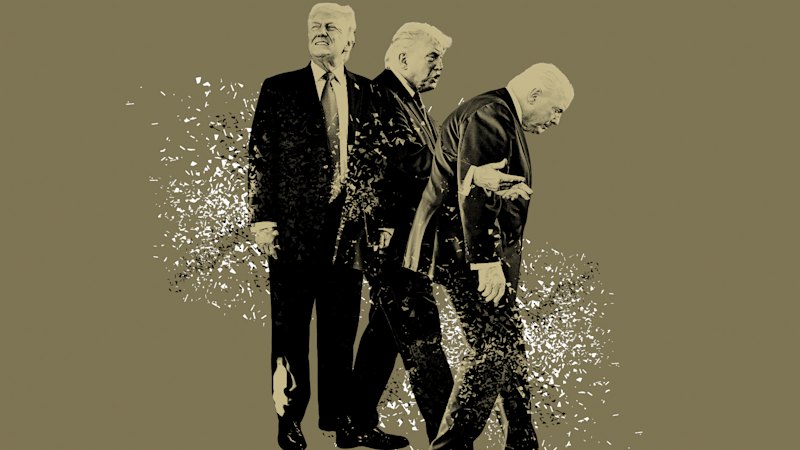
Trump Questions U.S. Alliance Over Australia Peace Fund Snub
Pacific Islands: A Litmus Test for U.S. Commitment

Trump's Greenland Bid Overshadows Key North Sea Energy Summit
Trump's Next Weapon? U.S. Gas Could Pressure Europe

Trump's Power: Spotting Cracks, Then Widening Them
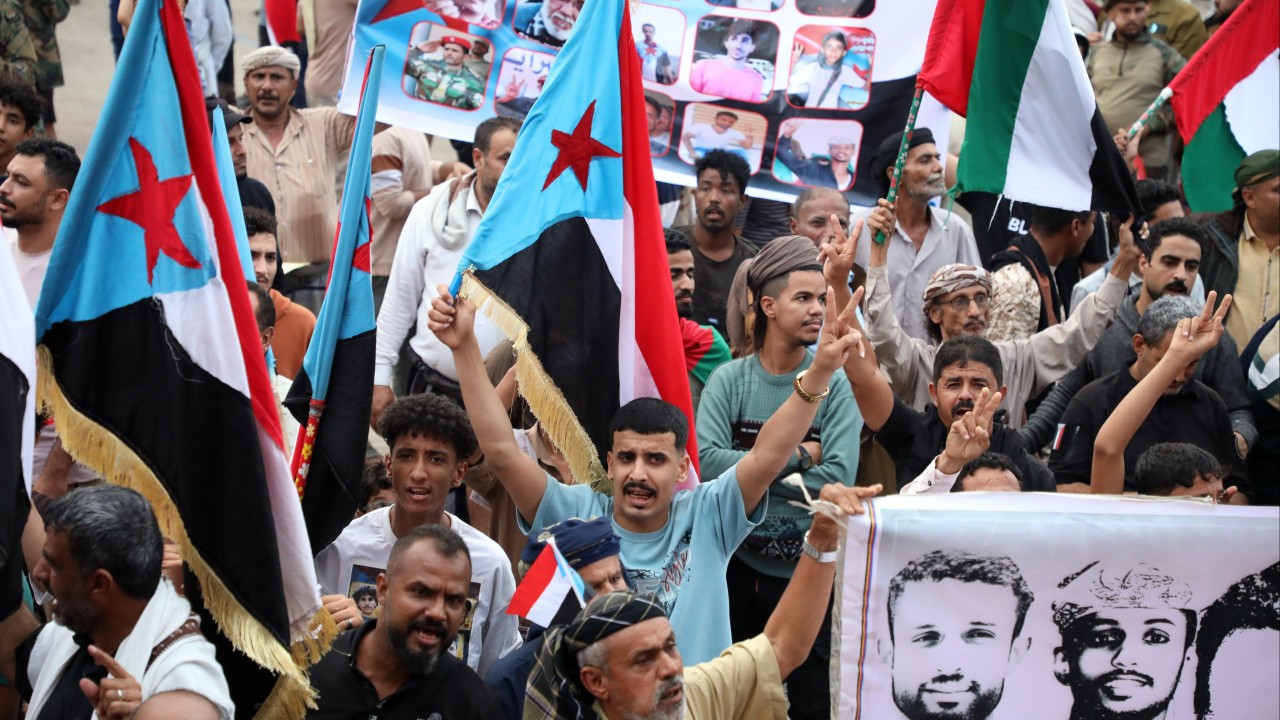
Middle East 2026: Rivals Clash as Old Alliances Crumble
World Cup Boycott? European Teams Threaten 2026 Withdrawal Over Trump
Japan's Ruling Party Proposes Major Tax Shift for Foreign Tourists

US Political Crisis Coincides with Major Global Shifts
Davos Elite Warn: The Old World Order is Dying
