Deepfakes Go Political: AI Fakes Target Elections in Nepal and Beyond
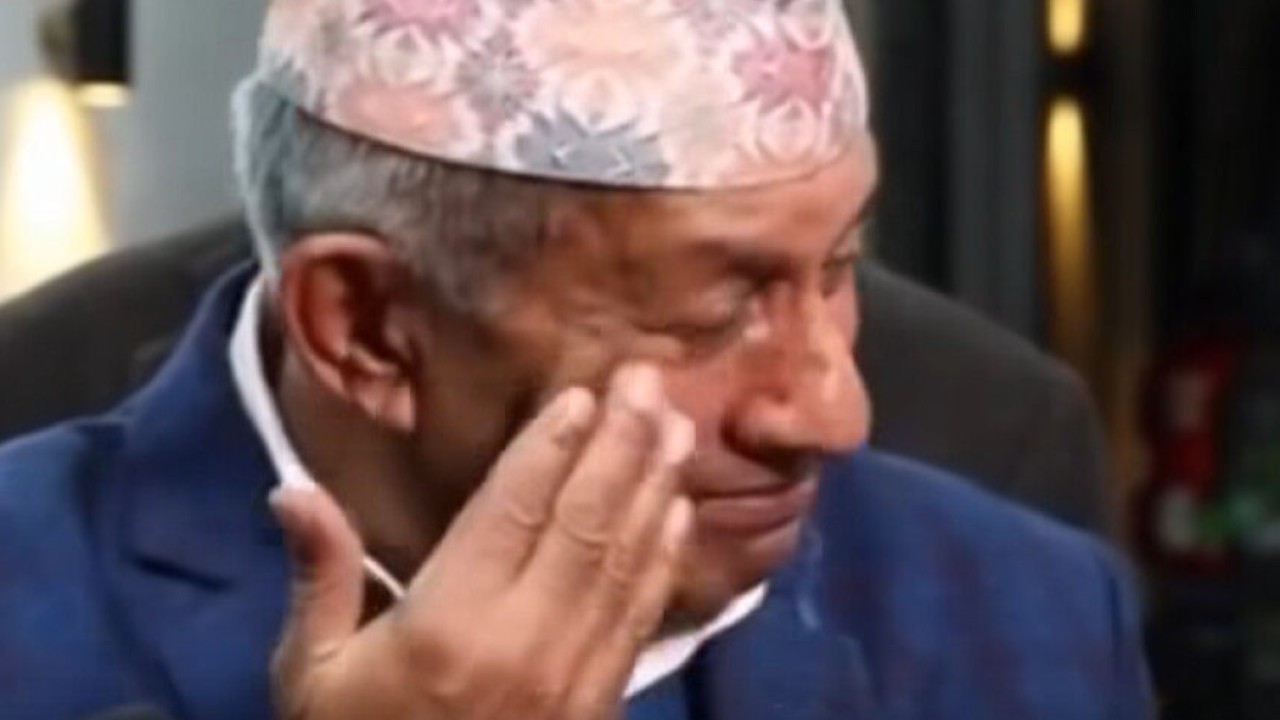
Deepfakes Go Political: AI Fakes Target Elections in Nepal and Beyond A wave of artificially generated "deepfake" videos is spreading fear among election officials and voters, with a fabricated clip of three Nepali political leaders forming an alliance highlighting a new global threat to democracy [57866]. The video, which circulated online last year, convincingly showed top figures from Nepal’s Rastriya Swatantra Party and other major political entities walking together, sparking rumors of a major political pact ahead of national elections. The meeting, however, never occurred; the clip was a sophisticated digital forgery created using artificial intelligence (AI) [57866]. This incident is part of a growing trend where AI-generated fakes are deployed to mislead voters and distort democratic debate. The technology can fabricate realistic footage of a person saying or doing something they never did, making it difficult for the public to distinguish fact from fiction [57866]. Political analysts are calling for urgent public awareness campaigns, arguing that teaching media literacy is now a critical part of defending elections. Without clear labels or widespread digital skepticism, voters may be easily manipulated by convincing falsehoods [57866]. The threat is not confined to Nepal. The rapid advancement and accessibility of AI video tools have raised alarms among election security experts worldwide, who warn that deepfakes could be used to suppress turnout, spread disinformation about candidates, or incite social unrest [57866]. Fake Leaders, Real Fear: AI Deepfakes Target Nepal Election
Articles in this Cluster
Nigeria Asks: What Is Our Political Philosophy?
Democrats Face Accusations of Inconsistent Protest Enforcement

UK Minister: Tie Politicians' Pay to the Economy
Jailed Turkish Mayor: "Democracy is Not Just Election Day"
Badenoch Sparks Fury Over "Dangerous" Claim on Violence Against Women
Madagascar's Political Crisis: Was It a Coup?

Malaysia's Ruling Party Courts Youth with "Domination" Message
Polish President Seeks to Ban Communist Party