Global Trade Gets Sneaky: How Chinese Goods Slip Into US as "Made in Vietnam"
Global Trade Gets Sneaky: How Chinese Goods Slip Into US as "Made in Vietnam" A quiet but significant shift in global trade routes is unfolding, as companies increasingly reroute Chinese-made goods through Vietnam to avoid steep U.S. tariffs. This practice, known as transshipment, is drawing increased scrutiny from American customs officials [32794]. The method involves shipping products from China to Vietnam, where they undergo minor processing or repackaging. By altering or adding some components, exporters can obtain a Vietnamese certificate of origin, allowing the goods to be labeled "Made in Vietnam" and bypass tariffs imposed on Chinese imports during the recent trade war [32794]. Trade data reveals the scale of the trend. U.S. imports from Vietnam have surged, while Vietnam's imports of parts and materials from China have risen in tandem—a correlation experts say is not coincidental [32794]. The rerouting is most prevalent in sectors like textiles, electronics, and steel [32794]. The strategy presents a dilemma for Vietnam. While the increased export volume boosts its economic statistics, the country risks damaging its crucial trade relationship with the United States if it is seen as a conduit for tariff evasion [32794]. U.S. authorities have already issued several major penalties for false origin claims and are intensifying checks on shipments from Vietnam [32794]. This evolving trade pattern highlights how global supply chains are being rapidly reconfigured to navigate international disputes, creating new, complex routes for the flow of goods [32794]. Chinese Goods, Vietnamese Labels: The Trade Route Skirting US Tariffs
Articles in this Cluster

Japanese Startup Sells 50,000 Cars in Africa—Online
ICIEC and Afreximbank Partner to Boost Arab-African Trade
Türkiye and Saudi Arabia Forge New Halal Trade Partnership

Chinese Goods, Vietnamese Labels: The Trade Route Skirting US Tariffs
Mets and Rangers Reportedly Agree to Trade All-Stars Nimmo and Semien

US and Indonesia Strike Deal, Bypassing China on Key Minerals
Tanzania Sends Billions in Gold to South Africa
Brazil's "Taco" Strategy Offers a Model for Global Trade

Australia Promotes Lamb Exports to Vietnam Amid Trade Challenges
Israel Lets Traders Bring Banned Items Into Gaza That Aid Groups Cannot
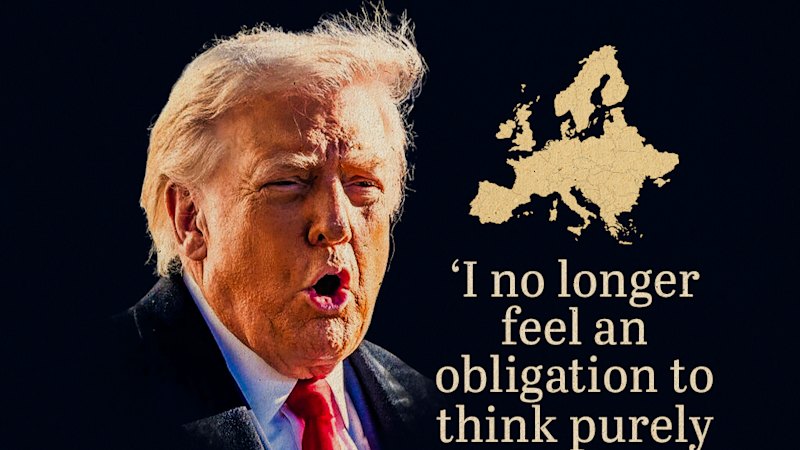
Trump's 'Leverage' Message to Norway: A Transactional Foreign Policy

Top US, Chinese Trade Officials Pledge to Broaden Cooperation
Russia Seeks Secret Routes to Keep Cheap Oil Flowing to India
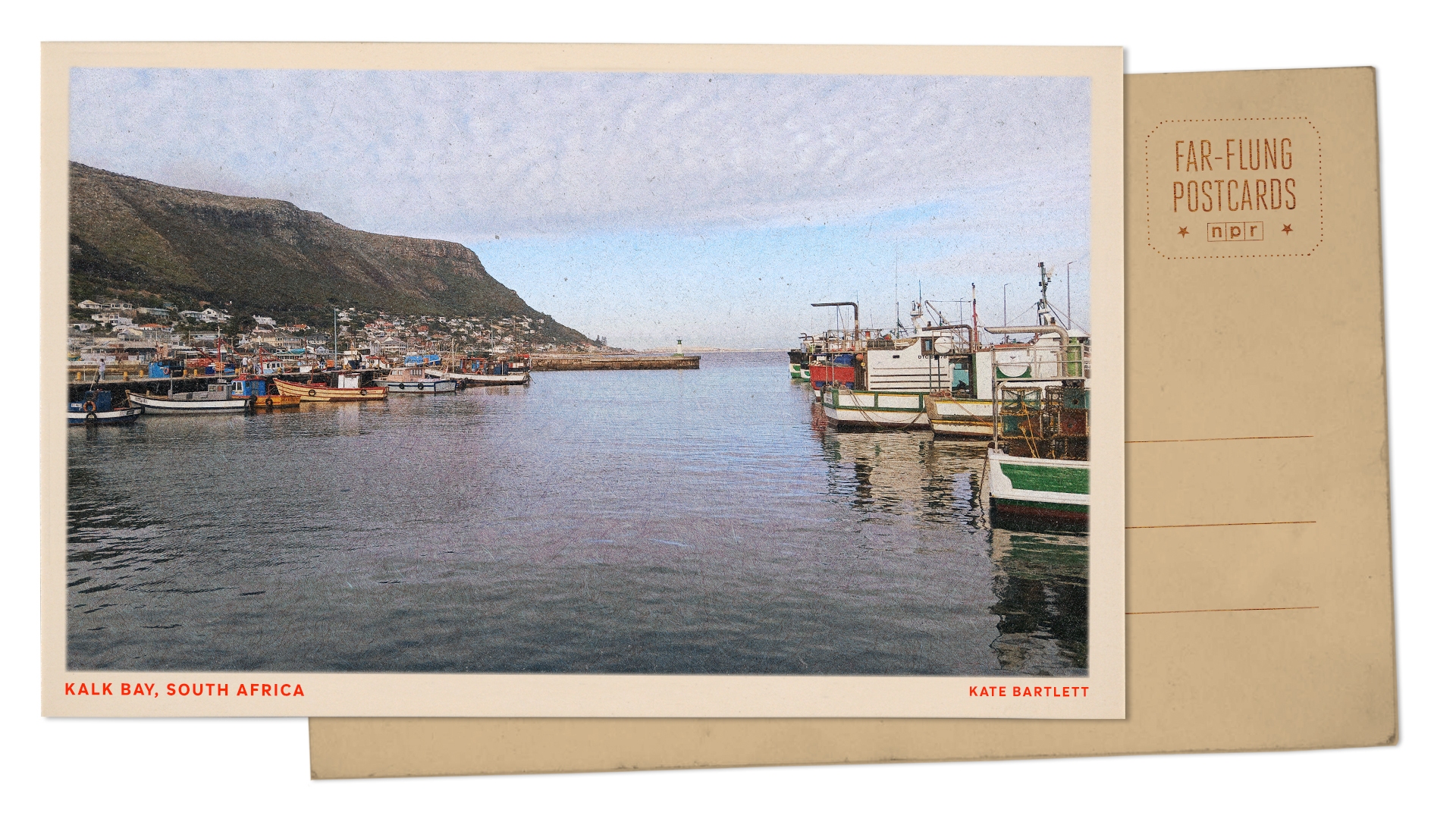
Seals Beg at the Fish Market: A South African Village's Daily Show
