NATO Rejects Putin's Demand to Roll Back Alliance Borders to 1997
NATO Secretary General Mark Rutte has rejected Russia's proposal to negotiate European security architecture, warning that Moscow's demands would roll back the alliance to its 1997 borders. The dispute comes as European countries push for a role in any Ukraine peace talks and the EU unveils new sanctions against Russia.
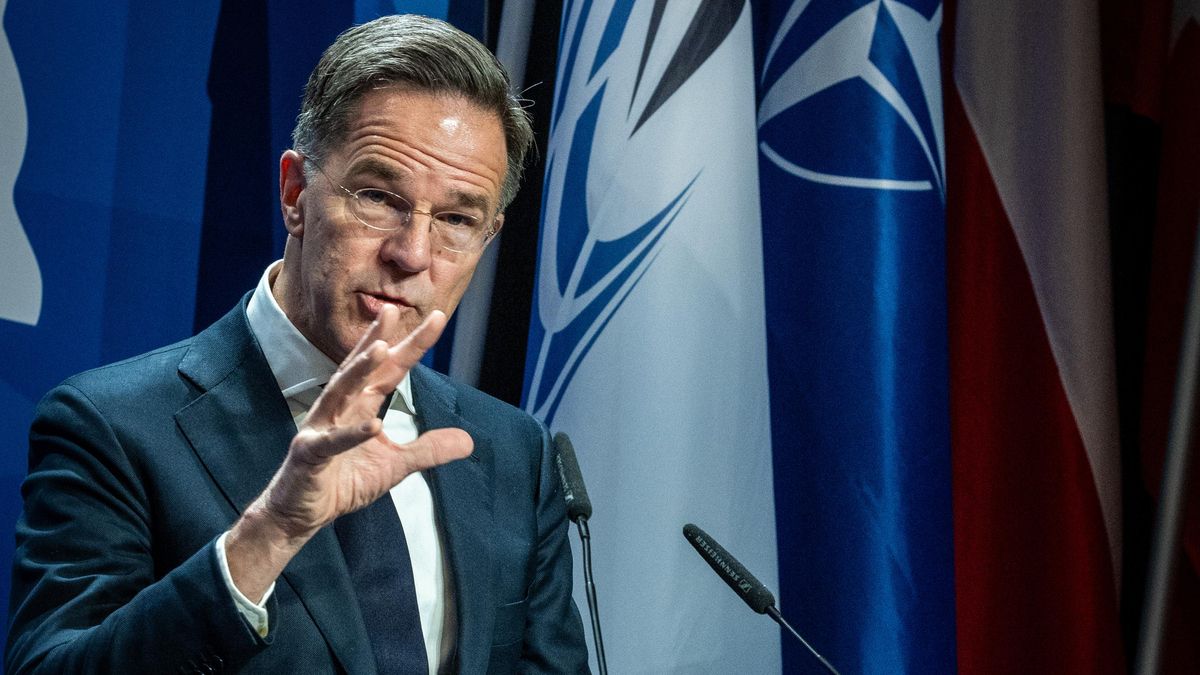
NATO Secretary General Mark Rutte said Monday that Russia's proposal to negotiate European security architecture is "unacceptable." Speaking at the NATO Parliamentary Assembly in Berlin, Rutte warned that Moscow's demands would roll back the alliance to its 1997 borders—before Eastern European and Baltic countries joined.
Russian President Vladimir Putin revived those demands as European countries insist on a seat at any Ukraine peace talks. Putin wants NATO to halt its expansion, pull troops and weapons back to 1997 positions, and restrict missile deployments near Russian territory.
"No one in NATO thinks this is a good idea," Rutte said. But the United States sees it differently. Jared Kushner, Donald Trump's son-in-law and special peace envoy, wrote on X that "security guarantees for Ukraine cannot be defined separately from the post-war European security architecture. Both issues must be addressed together."
Rutte stressed the need to strengthen Ukraine's position before any negotiations. "We must show Putin that his attempts to weaken our support will fail," he said.
On Monday, European Commission President Ursula von der Leyen presented the European Union's (EU) 22nd sanctions package against Russia. The proposal targets about 60 Russian banks, bans energy services that help Russia repair infrastructure, and restricts visas for former Russian combatants. It also cancels Russian teams' participation in EU sports events under the Russian flag. The package still requires approval from all 27 EU member states.
Before the announcement, the Kremlin confirmed it is willing to meet with EU representatives. "Our intention is to start talks with the Europeans to understand how far they are willing to contribute to peace efforts," said Kremlin spokesman Dmitry Peskov.
Rutte also called for action against growing hostile activities targeting NATO countries. "One day it may be an arson attack on a factory or drones paralyzing an airport. The next day, sabotage against railway lines, attacks on cargo ships at sea, or cyberattacks," he said.
Regarding the weekend incident when two Russian missiles and a drone fell on Polish territory, Rutte said: "It comes from Russia. Whether it was intentional is something the authorities must determine."
German Chancellor Friedrich Merz, who accompanied Rutte at the assembly, said that if Ukraine had joined NATO in 2008, "this war would probably have been avoided." He referred to the Bucharest summit where Ukraine's membership was rejected. Merz said Ukraine's security guarantees should be similar to NATO's Article 5. "I cannot imagine a future for Ukraine without those security guarantees," he said.