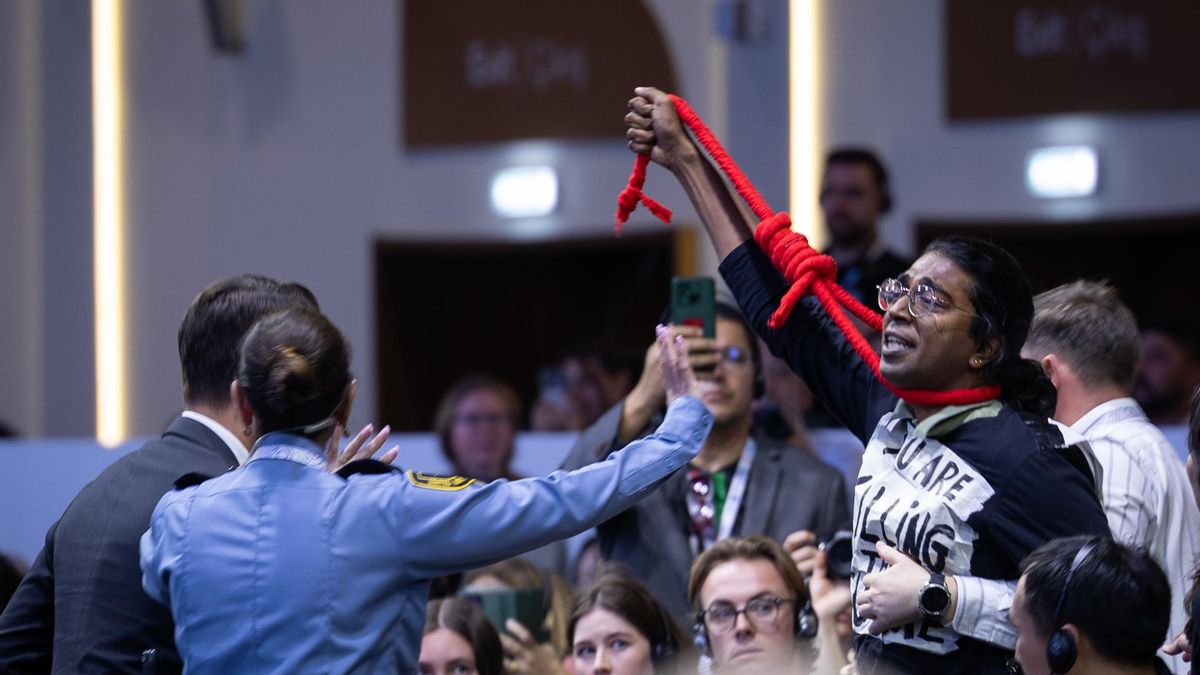
Oil Majors Block Climate Deal: COP31 in Crisis
The COP31 climate summit in Antalya, Turkey, has stalled over whether to name fossil fuels as the cause of climate change. The European Union and oil-producing states are leading opposite sides in the dispute.
The COP31 climate summit in Antalya, Turkey, has stalled. More than 24 hours after the official deadline, negotiators remain deadlocked. The main dispute is whether to name fossil fuels—oil, gas, and coal—as the cause of climate change.
The European Union (EU) and Saudi Arabia are leading opposite sides. The EU wants the agreement to state that countries must move away from fossil fuels and generate clean electricity from renewables. Saudi Arabia and other oil-producing states, backed by Russia, refuse to mention "any energy source"—protecting their main source of income.
COP President Murat Kurum warned publicly that "getting stuck on words and expressions, undermining this process, benefits no one."
The science is clear. Fossil fuels emitted 38 billion tonnes of carbon dioxide (CO₂) in 2026—more than 85% of the world total. Renewables have saved 4.3 billion tonnes of emissions that would otherwise have been added.
"We cannot leave here with a result that is a step backward," said Javier Andaluz of Ecologistas en Acción. He warned that ignoring fossil fuels, promoting carbon capture, and questioning science would reverse progress from earlier summits.
On Tuesday evening, a group of EU ministers, the United Kingdom (UK) energy minister, and representatives from island nations, least-developed countries, and South America arrived at the COP presidency offices for a last-ditch effort to rescue the talks. The Guardian reports that about 130 countries support the EU's position.
EU special envoy Wopke Hoekstra repeated a common phrase as negotiations drag on: "Better no deal than a bad deal."