Europe Picks Its Peace Team for Russia Talks — And Kallas Is Left Out
The European Union has agreed to send a joint team to negotiate peace with Russia over Ukraine, leaving out its top diplomat Kaja Kallas.
European Union (EU) leaders agreed on Friday to send a joint team to negotiate peace with Russia over Ukraine. The team will include EU institutions and the five major European countries known as the E5: Germany, France, Italy, the United Kingdom, and Poland.
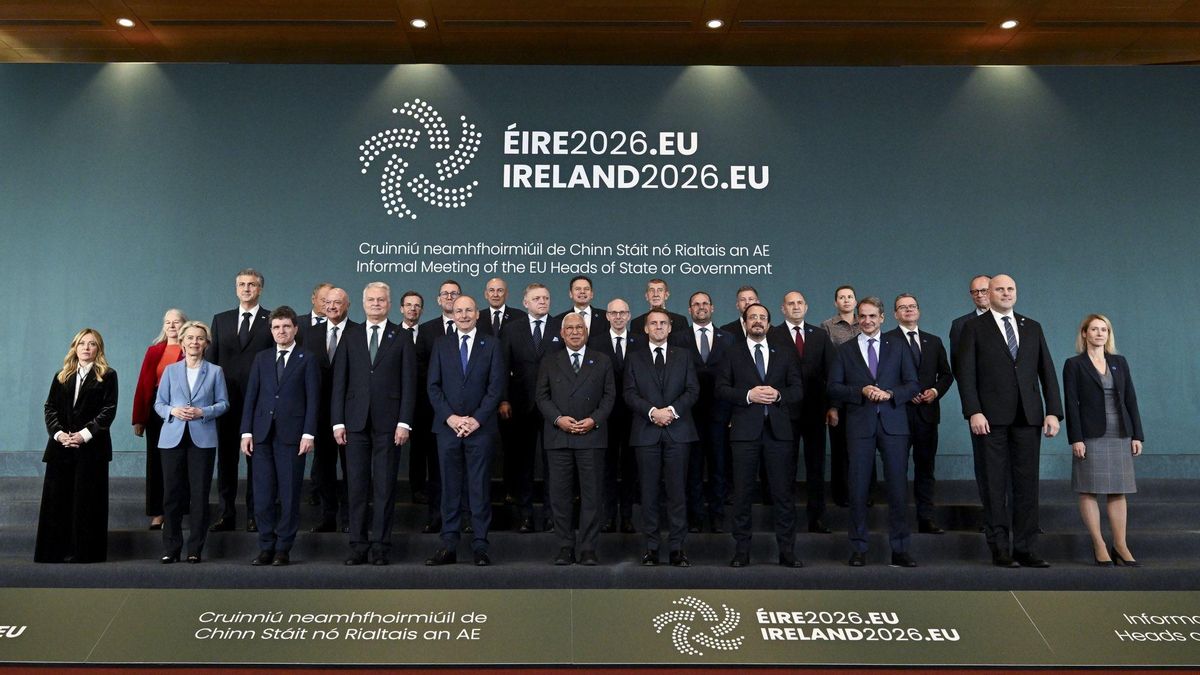
The decision came at the European summit in Dublin. António Costa, president of the European Council, announced the agreement, ending speculation that the meeting would produce no results.
The choice leaves out Kaja Kallas, the EU's top diplomat for foreign affairs. Kallas had wanted to lead the talks for Europe, but Russia had already said it did not want her at the table. Costa made clear that EU treaties give him, not Kallas, the job of representing the Union on foreign and security policy at the level of heads of state and government. "We decide who represents us," he said.
Spanish Prime Minister Pedro Sánchez did not attend the Dublin summit, so Spain has no direct seat in the peace negotiations.
Putin Sets His ConditionsThe decision follows a Moscow meeting between Russian President Vladimir Putin and two White House envoys, Jared Kushner and Steve Witkoff. Putin asked them to tell European partners to decide "once and for all" whether they want "peace or war in Ukraine."
Putin has revived demands he first made in 2021. He wants the North Atlantic Treaty Organization (NATO) to stop expanding, troops and weapons pulled back to where they stood in 1997, and limits on missile deployments near Russia. In effect, he aims to dismantle the security system NATO has built in Europe since the Cold War.
Witkoff said a new round of talks with Moscow and Kyiv would take place, with European partners joining once Putin approves. But Kremlin spokesman Dmitri Peskov later said Russia had not yet decided whether to allow Europe in. Peskov suggested Russia might also demand that the EU cut its military and financial support for Ukraine before talks begin.
Europe Responds: One Voice, Continued SupportEuropean Commission President Ursula von der Leyen said Europe's place in the talks is certain. "Europe will participate in the peace talks to safeguard our interests, but also to support Ukraine," she said. She argued that the best way to bring Russia to the table is to keep supporting Ukraine and pressuring Moscow. She announced a 22nd package of sanctions and new funding to cover Ukraine's financing gap in 2027.
Costa stressed that only Ukraine has the right to decide on its territory and sovereignty. Security guarantees, he said, should be handled within the E5 framework, in close coordination with NATO.
The deal also settles a power struggle inside the EU over who speaks for Europe. German Chancellor Friedrich Merz and French President Emmanuel Macron pushed for a format in which major countries sit at the table alongside the EU. Merz questioned Kallas's role and argued that the countries able to provide security guarantees must be in the room. Their position won.
Kallas warned that Russia's security demands are a trap meant to distract from the fact that there is no ceasefire. "If we give them the right to decide who represents Europeans, we are handing them an advantage they should not have," she said.