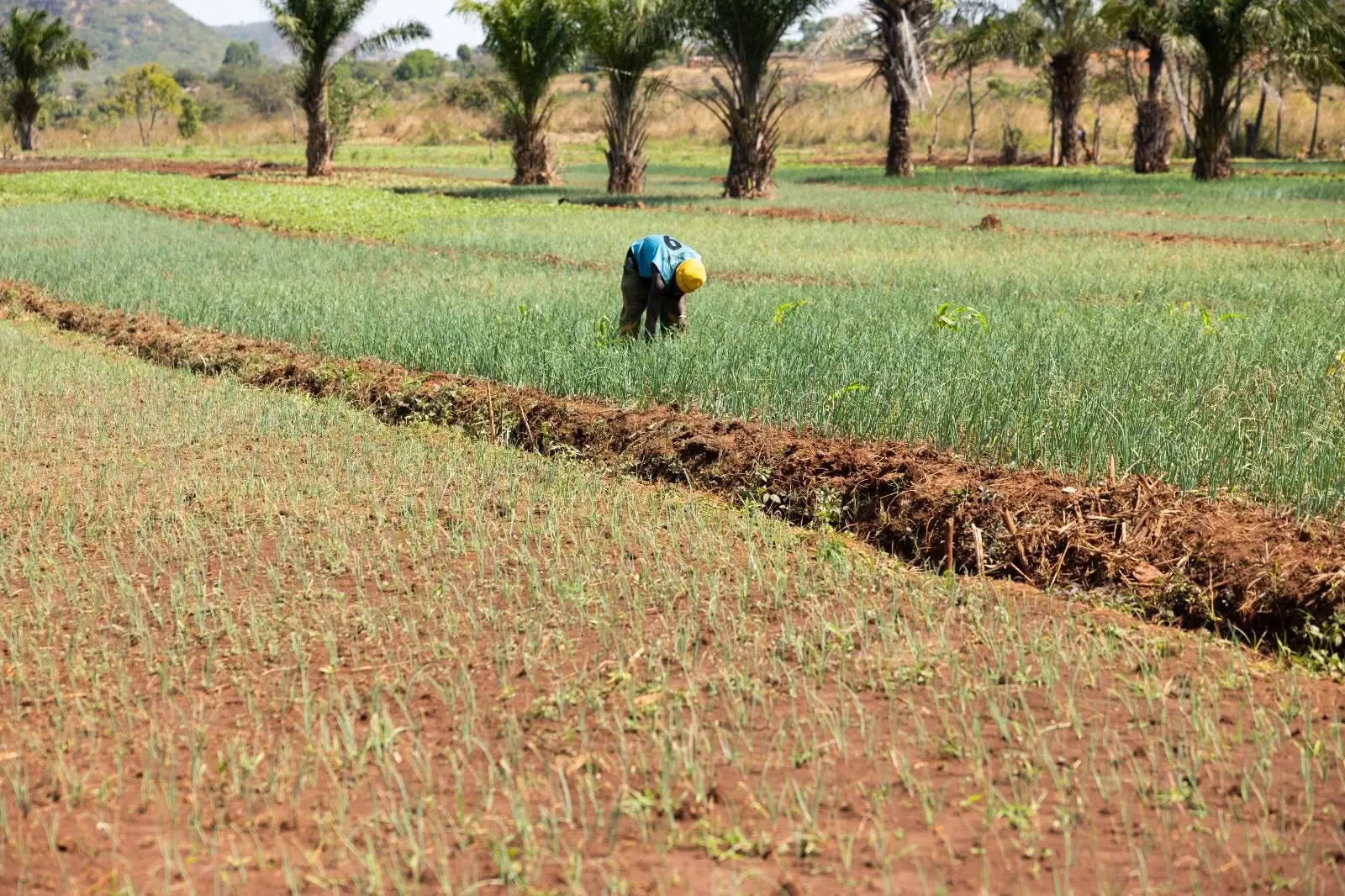
Nigerian Farmers Get Billions in Loans—And Still Can't Feed the Country
Farm support programs in Nigeria are spending big but delivering little, while small-scale food providers across Africa remain locked out of the policy decisions that shape their livelihoods.
Nigeria's federal and state governments have poured substantial sums into agricultural support programs, yet the results have failed to match the money spent, with outcomes remaining persistently disappointing [281588]. The disconnect between investment and impact highlights a broader crisis in how African agriculture is financed and governed.
Meanwhile, informal traders and spaza shop owners—who supply most of the food consumed by poor urban households across the continent—are systematically excluded from the policymaking that governs food security [276350]. These vendors form the backbone of everyday food access for millions, yet have no seat at the table when governments and international bodies design agricultural policy.
The pattern extends beyond Nigeria. African faith leaders, backed by the United Nations Special Rapporteur on the right to food, are demanding that the Gates Foundation pay reparations over its agricultural program known as AGRA (Alliance for a Green Revolution in Africa), which they say failed to reduce hunger on the continent [281117]. The call for accountability underscores growing frustration with externally designed agricultural interventions that promise much but deliver little for ordinary farmers.
In East Africa, leaders are acknowledging similar gaps. Prime Minister Justin Nsengiyumva of the East African Community (EAC) urged member states to take stronger action so that small enterprises can actually access the opportunities created by the regional trade bloc [278876]. His call reflects recognition that regional integration has so far failed to translate into tangible benefits for the small businesses that dominate local economies.
The common thread across these developments is clear: money is being spent, policies are being written, and summits are being held—but the small farmers and traders who feed Africa's poorest communities remain on the margins, waiting for support that reaches them.