Hong Kong Warns It Must Adapt or Fall Behind as 100 Executives Gather to Tackle AI Race
Hong Kong's leader says the city must move fast on technology and artificial intelligence as superpower rivalry reshapes the global economy. About 100 business leaders met in the city to discuss how to keep up.
Hong Kong is pushing to keep pace with rapid changes in global technology and artificial intelligence, with the city's leader warning that forward-looking strategies are needed to stay competitive.
Chief Executive John Lee Ka-chiu said at an economic forum in Shanghai that Hong Kong must actively plan and implement strategies to keep up with fast-moving global industrial chains and the rapid development of technology and AI [279779]. He said the government's GoGlobal task force had helped more than 360 mainland Chinese firms set up or expand their businesses in Hong Kong [279779].
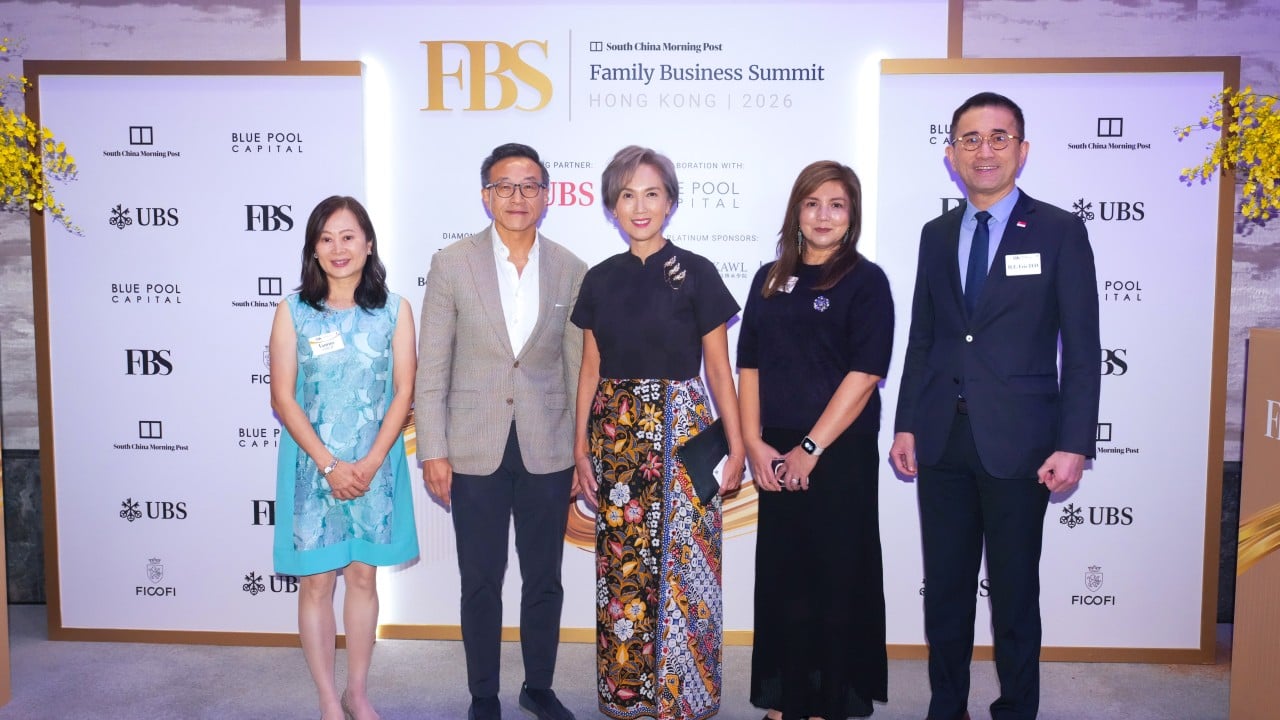
His warning came as technology-driven disruption and superpower rivalry dominated a closed-door summit in Hong Kong, where countries and tech giants are seeking to boost growth and lead the race in artificial intelligence [279767]. About 100 business owners, executives and academics from the United States, mainland China, Hong Kong, Southeast Asia and the Middle East attended the fourth edition of the Family Business Summit, co-hosted by the South China Morning Post and Blue Pool [279767].
The pressure to adapt extends beyond Hong Kong. Indonesia urged Asia-Pacific Economic Cooperation (APEC) economies to ensure that regional economic integration and technological advances benefit developing nations, not just wealthy members [279239]. Indonesian officials warned that without inclusive policies, poorer economies risk being left behind as richer nations capture most of the gains from new technology and open markets [279239].
Indonesian Foreign Minister Arrmanatha Nasir also urged APEC members to strengthen solidarity and boost regional resilience, warning that divided action weakens the bloc's ability to withstand economic shocks [279208]. He called for closer coordination on trade, supply chains and crisis response [279208].
Meanwhile, Alibaba Group chairman Joe Tsai said open source is the only sustainable path for the artificial intelligence industry, speaking at the opening of the World Internet Conference Wuzhen Summit in Zhejiang province [278483]. Tsai noted that Chinese tech companies are increasingly converging around open ecosystems as demand for AI surges and pressure from the United States continues [278483].