South Africa's R10 Billion Fuel Tax Cut Is a Band-Aid on a Broken Economy
South Africa's government is under fire from fuel retailers and economists alike over a temporary R10 billion fuel levy cut that critics say fails to address the country's deeper economic crisis.
South African fuel retailers say the government's relief measures do not go far enough, warning that current support plans fail to address the pressure on businesses. The dispute highlights growing tension between fuel sellers and policymakers over how to keep fuel supply stable [270916].
The temporary R10 billion fuel levy cut has drawn praise from some economists, but trade unions and analysts warn the relief does not fix South Africa's deeper problems: slow growth and high unemployment. The cut eases costs for now, but it does not create jobs or speed up the economy [269516].
The fuel debate comes as the African National Congress (ANC) loses support in poorer communities. Outside wealthy neighborhoods, many residents face daily shortages of water and electricity. Frustrated by these failures, a growing number of voters say they will not vote in the next election [270356].
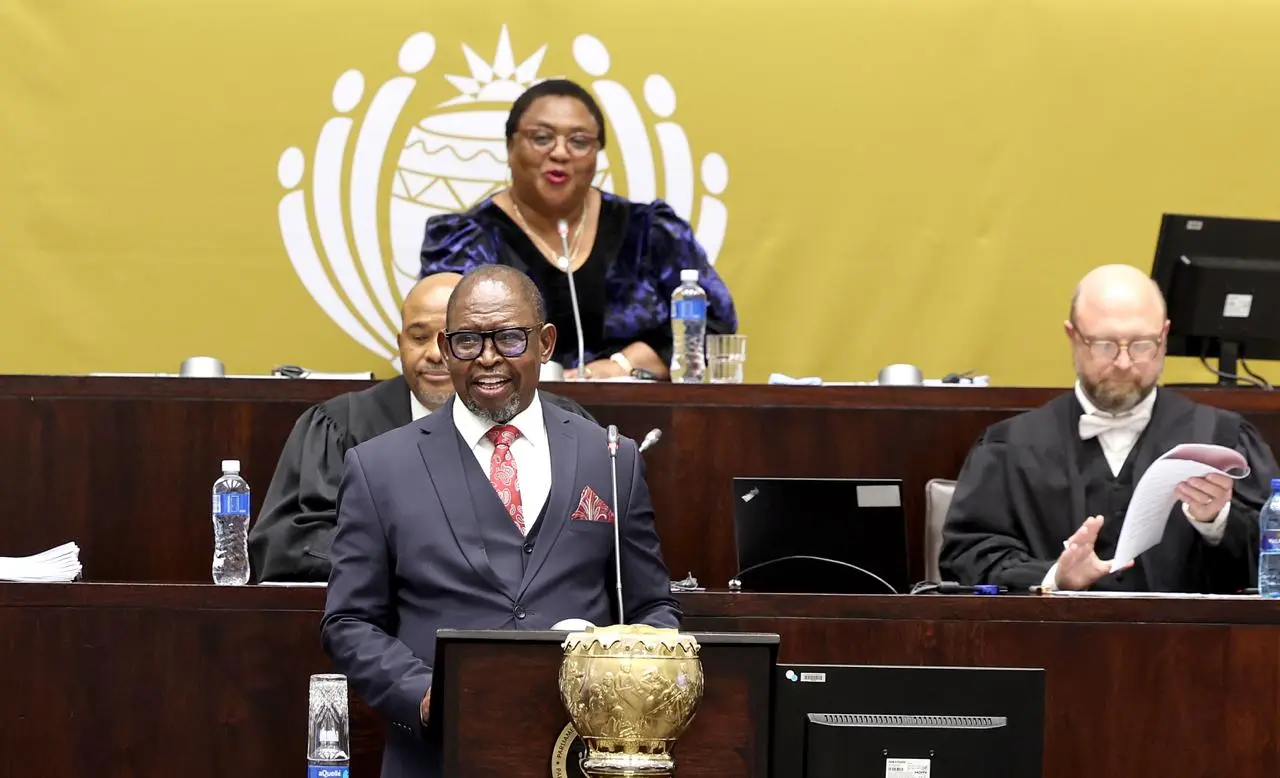
Meanwhile, the government has thrown its weight behind the mid-term budget, signaling stability as the coalition navigates fiscal pressure. The endorsement, reported on October 22, 2026, comes as policymakers balance spending demands against tight revenues. Officials framed the budget as a roadmap for growth, though details remain sparse [268673].
In a separate move, South Africa has introduced the Revised White Paper on Local Government. The policy sets out new funding models and governance reforms aimed at rescuing municipalities in distress across the country [269518].