Gas Crisis Fuels Tyrants and Wars as Spain Keeps Buying Russian Fuel—15% of Supply Still Flows
Spain's continued reliance on Russian gas and the UK's approval of a new North Sea field show how fossil fuel dependence is funding conflicts and delaying the renewable transition.
Spain did not buy liquefied natural gas from Russia in September—the first time in five years—but the milestone also shows how hard it is to turn principles into action [269222]. So far in 2026, 15% of Spain's natural gas has come from Russia, and during the four and a half years since Russia's full-scale invasion of Ukraine, Spain has remained one of Europe's main entry points for natural gas [269222]. In the first half of this year, Spanish purchases of Russian gas jumped amid the war in the Middle East [269222].
The European Union has struggled to act as one, even on this widely agreed issue. Only this year have governments been able to approve a definitive ban on gas purchases, which will take effect in 2027 [269222]. In the meantime, this means more gas bought from the United States, whose current misguided decisions expose the effects of over-dependence on a traditional ally [269222]. It also highlights a major structural problem for world economies: reliance on the most polluting fuels, produced in the most unstable regions of the planet [269222].
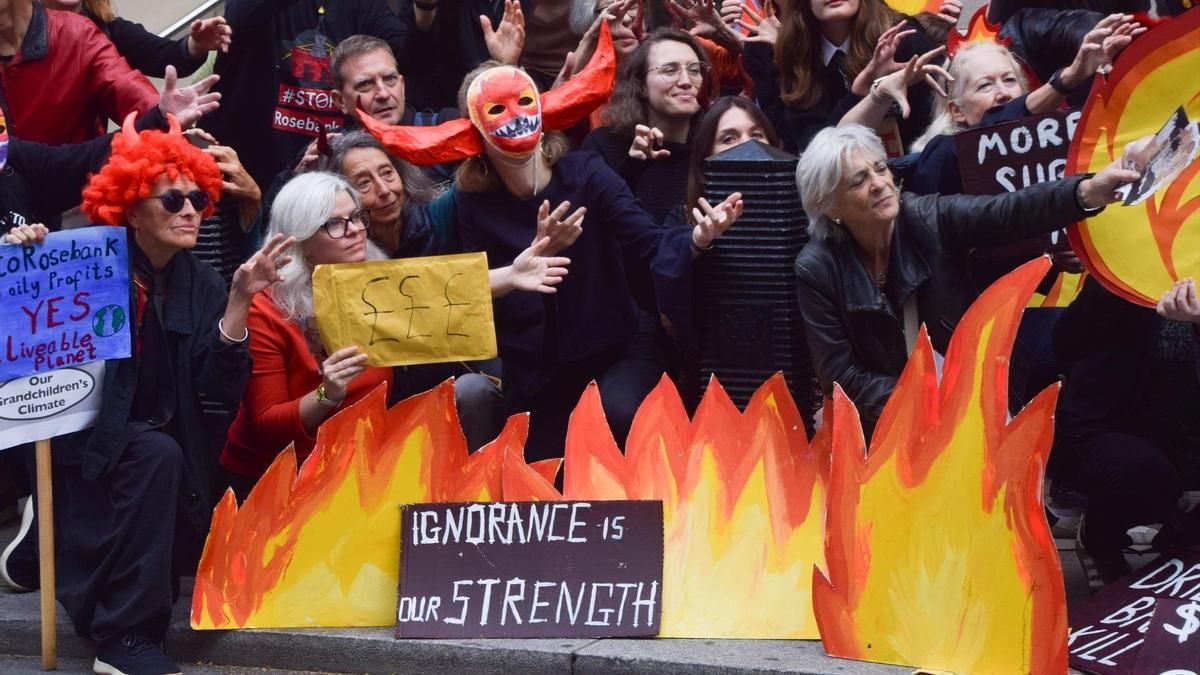
Spain is in a privileged position thanks to its decades-long push for renewable energy, but other countries are worse off [269222]. The British government has just authorized gas extraction at an overexploited North Sea field, which courts had blocked and which former Labour Prime Minister Keir Starmer had promised to abandon [269222][267579]. Current Prime Minister Andy Burnham says his approach is "pragmatic" while the UK invests in renewables [269222]. Operations at the controversial gas field are expected to begin within weeks [267579].
Dependence on gas and oil feeds the world's worst tyrants and funds their wars [269222]. It exposes economies to price swings that make daily life harder and deepen public discontent, while driving climate chaos with devastating consequences visible across Europe [269222]. The leadership and money needed to move away from this dependence require international political unity that does not currently exist. The price we are paying is counted in lives [269222].
The energy crisis will likely continue into 2027, according to Fatih Birol, head of the International Energy Agency (IEA). Speaking ahead of COP31, Birol proposed a global push toward electrification, aiming to raise electricity's share of worldwide energy use to 35% by 2035 [269145]. According to Birol, this shift would strengthen energy security and cut emissions [269145].