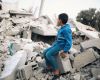
Israeli Strikes Kill 5 in Gaza as Ceasefire Collapses and Mothers Starve
A year after a ceasefire was supposed to bring aid and calm, Israeli strikes have killed at least five Palestinians in Gaza City while 93 percent of pregnant and breastfeeding mothers show signs of malnutrition.
Israeli forces struck gatherings of Palestinians in Gaza City on Wednesday, killing at least five people and wounding others, according to reports from the area [258968]. The attacks hit groups in both the western and eastern parts of the city, coming one year into a ceasefire agreement between Israel and Hamas [258968]. Additional Israeli attacks across Gaza also killed five Palestinians and injured more than a dozen, with strikes targeting areas in Gaza City as well as northern and southern parts of the enclave [257769].
The violence persists even as a ceasefire, signed a year ago with the promise of flooding Gaza with humanitarian aid, has failed to deliver food to the territory's most vulnerable residents [258919]. A study released Thursday by Médecins du Monde found that 93 percent of pregnant and breastfeeding women in Gaza showed signs of anaemia, a condition closely tied to malnutrition [258919]. Hunger continues to grip the Palestinian territory, with mothers and infants bearing the brunt of the humanitarian catastrophe [258919].
The strikes and the deepening starvation crisis underscore the collapse of a truce that was meant to bring relief to Gaza's 2.3 million residents. Instead, families like that of Mahmoud, a Gaza father, continue to wonder when life will return to normal after three years of war [257911].
The human toll extends far beyond the immediate casualties. More than 20,000 Palestinian students and education workers have been killed since the war in Gaza began, according to the Palestinian Education Ministry [257723]. Some 5,600 children are currently waiting to be evacuated from Gaza for medical treatment, the territory's Hamas-run Health Ministry reported, as the war marks its third anniversary [257899].
The conflict began on October 7, 2023, when Hamas attacked Israel, killing around 1,200 people and taking 251 hostages [257899].
As armed conflicts increase worldwide, the mental health damage caused by war continues to compound, particularly for children. More than one in five people in conflict areas are estimated to have mental health conditions such as post-traumatic stress, depression, or anxiety, yet access to mental health services is often inadequate [258810]. For children with intellectual disabilities, the harm is worse, as social, attitudinal, and environmental barriers interact with their disability, increasing their exposure to violence and exclusion [258810]. Human Rights Watch has documented a lack of inclusive psychological support for people with disabilities in armed conflicts, including in Gaza [258810].