South Africa's Fuel Price Shock: Gauteng Petrol Breaks R30 as Unions Demand Wage Hikes
South Africa's inland petrol price has crossed R30 per litre for the first time, triggering union demands for wage adjustments and renewed scrutiny of fuel taxes. The record increase is forcing motorists to rethink everything from vehicle choice to daily commuting costs.
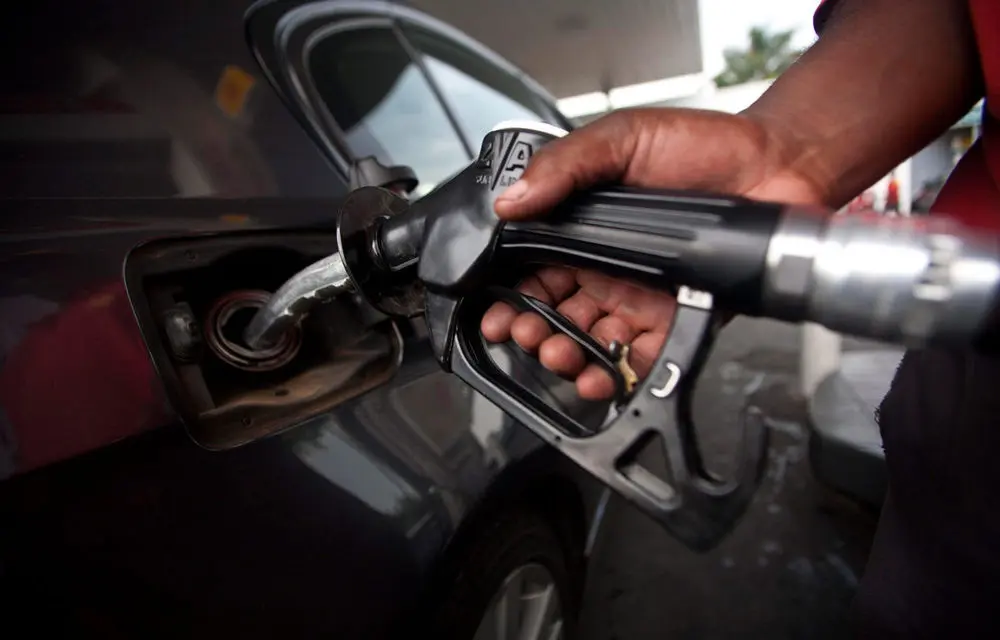
South African motorists are facing unprecedented fuel costs after the Central Energy Fund announced major price increases affecting the country's inland regions. In Gauteng, 95 unleaded petrol will climb past R30 a litre, reaching R30.25 from Wednesday — the highest price ever recorded for the province [256767].
The announcement has sparked immediate reaction from organised labour. South African trade unions warn that the fuel price increase will push up food and transport costs across the board. They are calling for a review of fuel taxes and for wages to be adjusted to match the rising cost of living [258103].
For ordinary drivers, the pain at the pump is reshaping purchasing decisions. With inland 95 petrol now breaking through the R30 per litre barrier, the choice of vehicle matters more than ever. A new guide ranks the most fuel-efficient cars across eight main vehicle categories in the country, covering options for every kind of buyer — from city commuters to families needing more space. The message is straightforward: with fuel this expensive, the right car can mean real savings at the pump [258119].
The fuel crisis is not limited to South Africa. In Nigeria, the Federal Government is negotiating a ₦1,350 per litre ceiling on the ex-gantry or landing cost of petrol, according to the Minister of Finance and Coordinating Minister of the Economy, Taiwo Oyedele. The ex-gantry cost is the price of petrol as it leaves the depot, before transport and other charges are added. The landing cost is the total expense of bringing the fuel into the country. The move aims to limit price volatility as global crude oil and refined petroleum product prices rise [257878].
Globally, fuel prices have reached historic highs. The U.S. national average price of diesel passed $6 a gallon in September for the first time in history, driven by supply disruptions that raised transportation costs across the country. In response, President Trump moved to allow cheaper, dyed diesel on highways, aiming to ease the fuel cost spike before the midterm elections [255848].
For South African consumers, the immediate concern remains the R30.25 per litre price tag awaiting them at Gauteng pumps — and the cascading effects on household budgets already stretched by rising food and transport costs.