Trump Rolls Out Red Carpet for Xi as Japan Gets Left Out in the Cold
Trump will welcome Xi at Joint Base Andrews and hold White House talks Thursday — Xi's first state visit to the U.S. in over 10 years — while Japan's prime minister meets Trump just two days earlier with China-Japan ties frozen.
President Donald Trump is preparing a warm welcome for Chinese President Xi Jinping, who is flying to the United States for a state visit. Trump is expected to greet Xi at Joint Base Andrews, a military base near Washington, D.C., before the two leaders hold talks at the White House on Thursday [247969]. It will be Xi's first state visit to the U.S. in more than 10 years [247147].
The visit comes as the two countries have agreed to pursue what officials call "constructive strategic stability," a new framework for managing the world's most important bilateral relationship. The term suggests both sides will seek to reduce the risk of conflict while protecting their own interests, accepting long-term competition but wanting to keep it peaceful and predictable [247144]. Details of how the framework will work in practice have not yet been released [247144].
Trump wants to leave the summit with trade wins. He faces low approval on the economy before the midterm election, giving him an added reason to show results [247603].
The relationship between China and the United States has reached a pivotal moment. How both sides handle this period will shape stability between the world's two largest economies. Beijing and Washington must manage their differences carefully, and cooperation on shared issues remains possible only if both sides avoid actions that raise tensions [247862].
There are already signs of improving ties. American companies are growing more confident about doing business in China, a shift after years of tension when trade disputes and political friction made many U.S. firms cautious. Better ties between Washington and Beijing appear to be driving this change, with firms seeing more stability and fewer barriers ahead [247852].
The president of the American Chamber of Commerce in Shanghai said the United States and China can complement each other in artificial intelligence (AI), the field of computer science that builds machines able to perform tasks that normally require human intelligence, rather than only compete. He said the two countries have strengths that can support each other [247870].
The warmth in Washington stands in sharp contrast to China's relations with Japan, which are growing cold. For Japan, this is a difficult position. Its closest ally, the United States, is reaching out to its biggest regional rival, China, leaving Japan watching from the sidelines. East Asia's balance of power depends on how these three countries manage their ties, and right now two of them are warming up while the third is left out in the cold [247101].
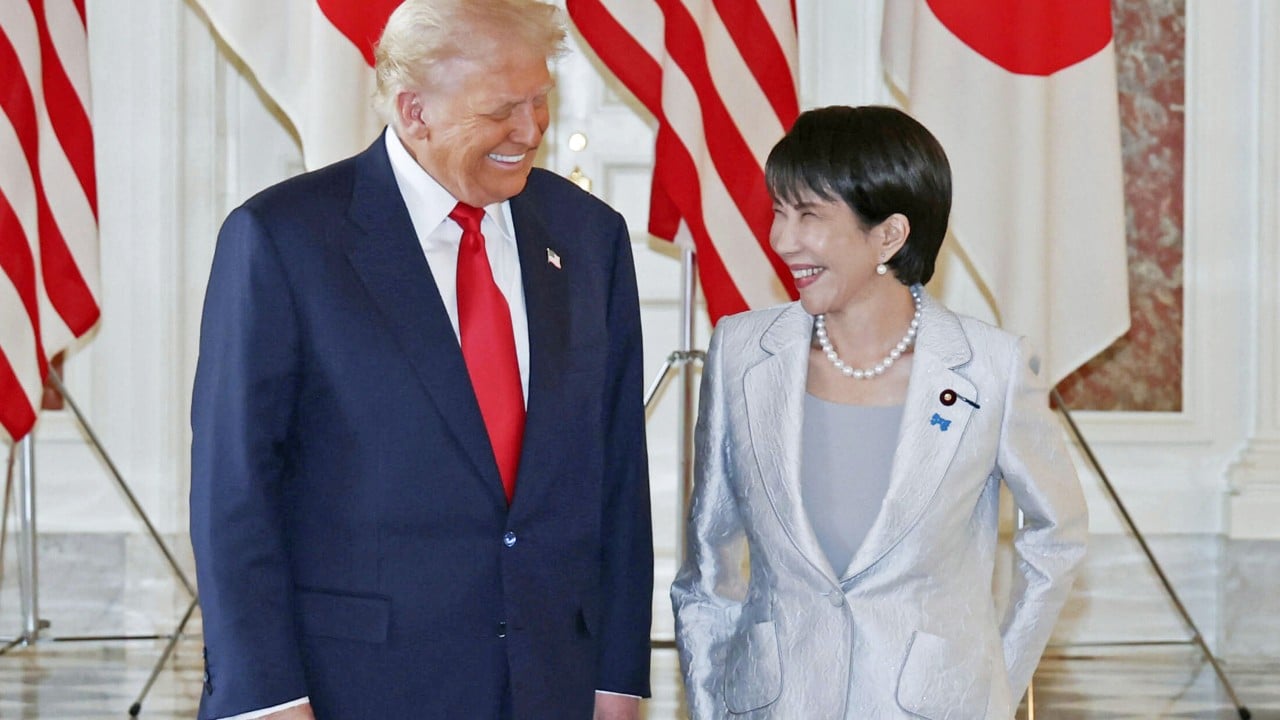
Japanese Prime Minister Sanae Takaichi meets Trump in New York on Tuesday, on the sidelines of the United Nations General Assembly, just two days before the Xi summit. She faces an unpredictable American president who wants concrete results [247147]. As the Trump-Xi summit approaches, Tokyo is watching closely. Japan needs the United States to remain aligned with it on how to handle China's growing power, and a split between the two allies would leave Japan in a difficult position [243835].
The chill between Tokyo and Beijing is visible elsewhere. The Tokyo Game Show will have far fewer Chinese companies this year, with Chinese exhibitors pulling out in large numbers, a sharp reversal from previous years when they were a growing presence. Organizers did not give a specific reason, but the decline follows months of rising political friction between Tokyo and Beijing [243764].
Details remain scarce about which Chinese business executives, if any, will attend the upcoming dinner between Trump and Xi [247584].