AI’s Next Frontier: Factory Floors and Mining Pits as Tech Giants Pour Billions into Hardware
Industrial giants are turning to artificial intelligence to overhaul manufacturing and mining, while venture capital firm Andreessen Horowitz launches a massive $1.1 billion fund to build the physical backbone of AI.
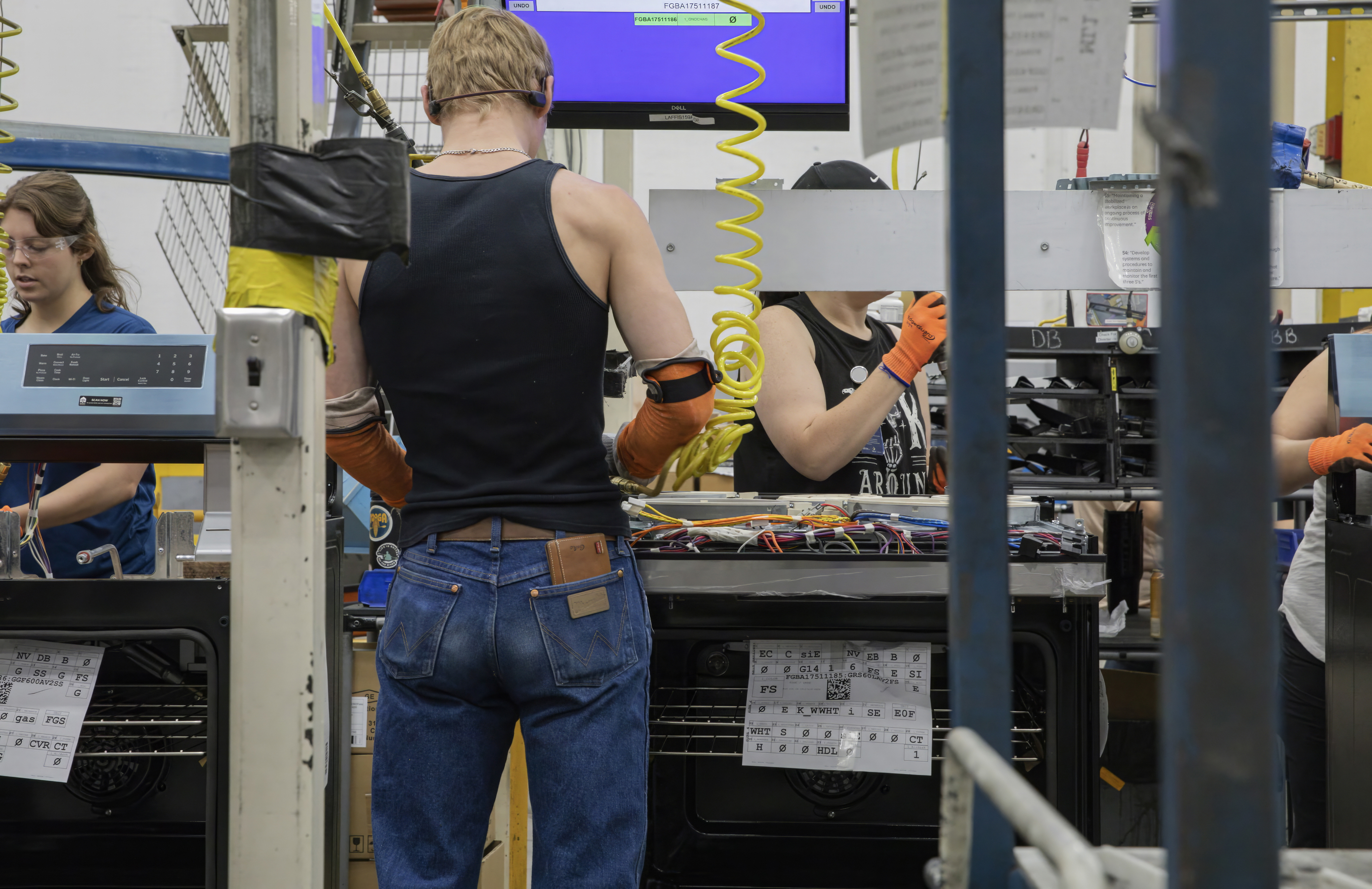
The push marks a major shift: AI is no longer just about software and algorithms, but about the machines that power the modern world. GE Appliances is deploying AI on its factory floor to spot defects and predict equipment failures, with a senior plant manager saying, “It can outthink me” [232752]. The system analyzes thousands of data points—vibration, temperature, and visual scans—to flag problems before they occur, allowing workers to fix issues early and cut downtime [232752]. The company says the goal is not to replace people but to let them focus on complex tasks while the machine handles routine checks [232752].
Caterpillar is taking a similar approach, but with a twist: it is repackaging decades of experience running autonomous trucks in remote mines to help factories deploy AI more reliably [231545]. The company learned that automation works best when introduced gradually, with clear safety checks and constant monitoring [231545]. Its pitch is simple: if AI can survive the dust and chaos of an open-pit mine, it can handle a factory floor [231545].
Meanwhile, the demand for copper—essential for power grids and AI data centers—is driving new investment. Japanese equipment maker Komatsu is tripling the size of its maintenance facility in Arizona to support growing copper mining operations in the U.S. [228040]. The expanded hub will service giant haul trucks, reducing downtime for miners racing to increase output [228040].
At the venture capital level, Andreessen Horowitz is betting big on this physical transformation. The firm announced a $1.1 billion fund dedicated to what it calls the “Machine Age,” focusing on data centers, energy systems, and robotics [230645]. The fund signals a strategic pivot from pure software to the hardware required to support AI’s rapid growth [229721]. The firm’s partners argue that AI’s potential is currently limited by chips, power, and manufacturing capacity—and they plan to fund companies that remove those bottlenecks [230645].
Together, these moves suggest a clear trend: the future of AI lies not just in code, but in the physical machines and infrastructure that run it.