Suez Canal Fees Near $1 Million as Invasive Species Crisis Worsens in the Mediterranean
The Suez Canal is both a $1 million toll road for global shipping and an open door for invasive marine species that are now destabilizing the Mediterranean’s ecosystem, with no regulations in place to stop the influx.
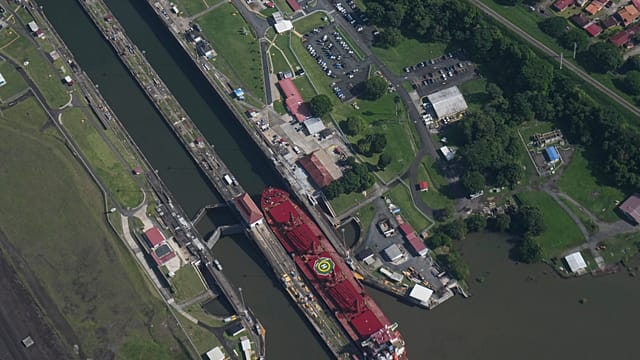
The Suez Canal, a historic waterway linking the Mediterranean Sea to the Red Sea, remains a vital artery for global trade, with transit fees that can reach nearly $1 million per vessel [230705]. But the same passage that moves goods is also moving marine life. For over a century, so-called “Lessepsian” species—named after canal developer Ferdinand de Lesseps—have migrated through the waterway, and their spread is now accelerating, threatening native fish populations, altering food chains, and damaging habitats [231610].
Experts say the problem is growing worse as multiple human pressures converge. Overfishing, pollution, coastal construction, and rising water temperatures are all making it easier for invasive species to thrive while native species struggle to compete [231610]. Currently, no regulation exists to prevent these creatures from entering the Mediterranean, and scientists warn that without action, the region’s biological balance could be permanently changed [231610].
The canal, built to connect two seas for commerce, now also connects two very different biological worlds—with consequences that are only beginning to be understood [231610]. While shipping companies pay nearly $1 million for the shortcut, the environmental cost of that connection may prove far higher [230705][231610].