Sanctions Squeeze: Trump’s Economic War on Iran Hits Ordinary Citizens as Hormuz Stays Shut
Sanctions are back as the White House pivots from failed military strikes to a full-court economic press on Tehran, with oil prices hovering near $90 a barrel and the Strait of Hormuz still blocked after five months.
The Trump administration, facing a severe shortage of Patriot interceptor missiles and growing public fatigue over a six-month war, is now betting that crushing Iran’s economy will force a change in leadership behavior [217892][215914]. President Donald Trump has openly stated that inflicting economic pain is a deliberate part of Washington’s strategy, with deepening poverty, rampant inflation, and hidden unemployment now acknowledged even by state-aligned Iranian media [216274][216945]. The plan relies on steadily increasing sanctions and a naval blockade to cut off Iranian oil exports, echoing a familiar playbook that punishes ordinary citizens while the regime digs in [217892][216274].
Iran, however, is not bending. Officials in Tehran have hardened their stance, insisting the strait—a waterway carrying about one-fifth of the world’s oil supply—will not reopen unless the United States accepts their undisclosed conditions [216533][215914]. Trump has countered with aggressive rhetoric, declaring that the US “owns” the strait and warning that any hostile action will be met with force [217235]. The deadlock has sent crude prices climbing for a second straight session, hitting major companies like travel firm Tui and raising fears of prolonged supply disruptions [216945][217144].
Meanwhile, Iran is courting its Asian allies. Tehran will attend upcoming Shanghai Cooperation Organization (SCO) and BRICS summits in late August, seeking help from China, India, and Russia to broker a reopening of Hormuz [217940]. These nations depend heavily on Gulf oil and may offer Tehran political and economic support in exchange for restored passage, potentially shifting regional influence away from Washington [217940].
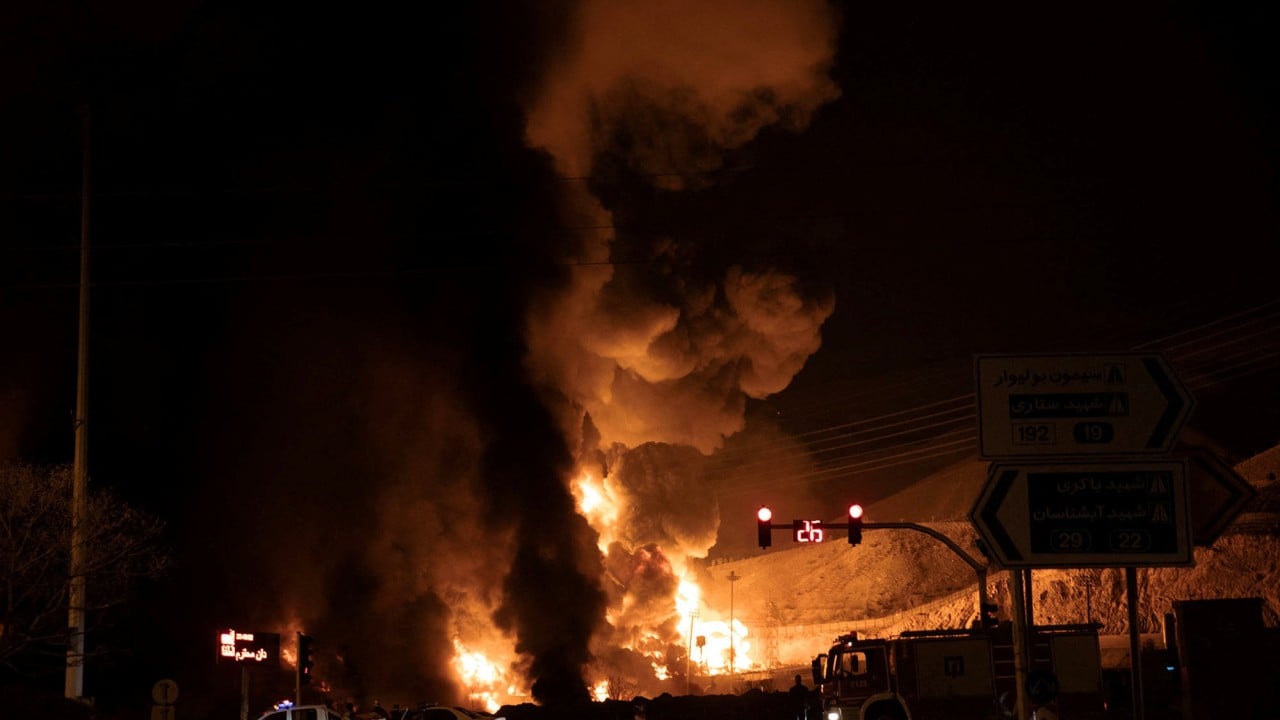
On the ground, the conflict continues to escalate. Iran’s military has refined its tactics, using swarms of cheaper drones and missiles to overwhelm US defenses—a strategy that killed three American troops in Jordan and left the Pentagon scrambling to replenish its depleted interceptor stockpile [216771]. The US has admitted it cannot even send Patriot missiles to Ukraine, as it needs them for its own defense, signaling a broader shift in American military readiness and global security commitments [214668][215043].