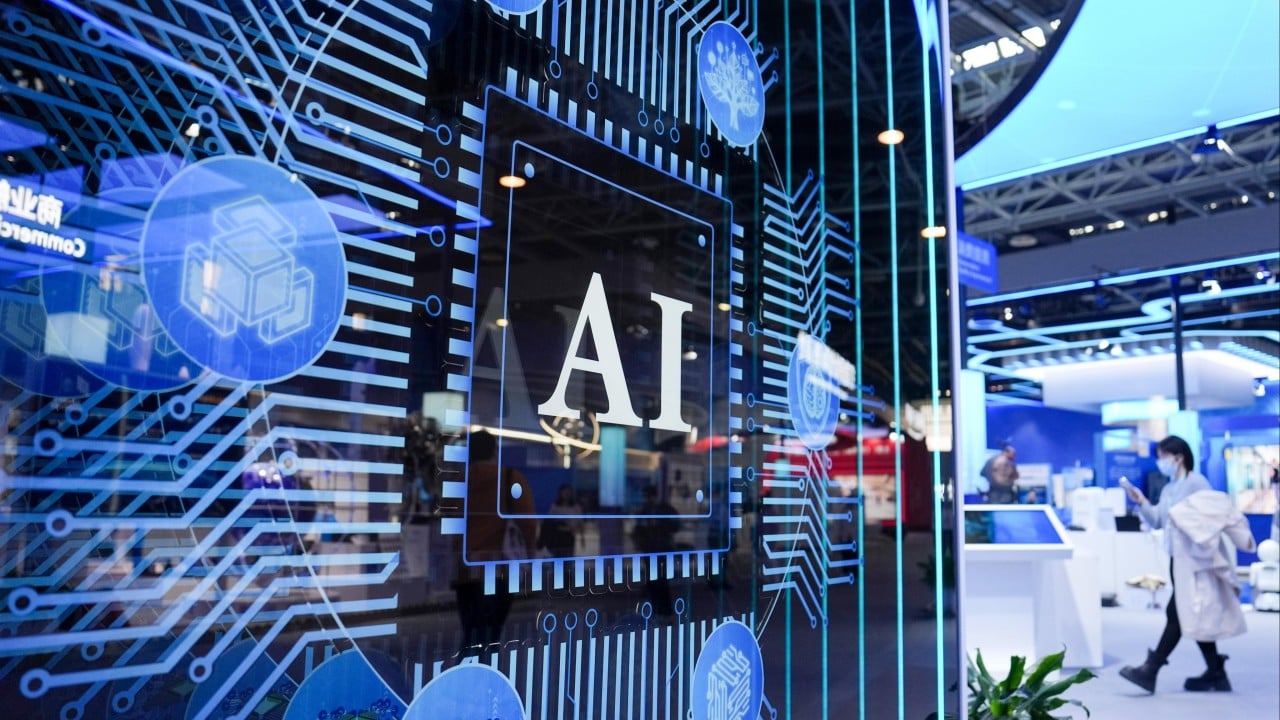
South Korea and Taiwan Now Dominate Half of Emerging Markets as AI Boom Rewrites Global Investing Rules
Just over a year ago, mainland China and India together made up half of the MSCI Emerging Markets Index. Today, South Korea and Taiwan account for more than half of the benchmark, driven by a surge in demand for technology stocks tied to artificial intelligence [202864].
The shift reflects a rapid rebalancing of global capital as investors pour money into markets that produce semiconductors and advanced electronics. South Korea’s weight in the index now stands at nearly 24 percent, four percentage points higher than its previous share [202864]. This change highlights both opportunity and risk: while capital flows boost local economies, they also expose emerging markets to sudden shifts in global tech sentiment [202864].
Meanwhile, Chinese technology companies are expanding overseas, driven by a global boom in AI spending and cutthroat competition at home. Their strategy now goes beyond selling physical hardware, increasingly offering cloud-based software and foundation models—large AI systems trained on vast amounts of data [202855]. Customs data from the first half of 2026 shows integrated-circuit exports nearly doubled in value to US$177.3 billion, a 96 percent jump compared to the same period last year [202855]. Chinese firms are turning a domestic price war into a global opportunity, using their advanced AI capabilities to win customers abroad [202855].
In Taiwan, the island’s top technology official announced that the country will develop advanced robotics along a path distinct from China, focusing on high-value, specialized applications such as medical robotics, semiconductor automation, and smart manufacturing [202823]. Taiwan already dominates the global semiconductor supply chain, and officials see robotics as a natural next step [202823].
Japan is also making a major push into artificial intelligence, announcing a new national strategy to develop advanced AI systems and proposing new global rules and technical norms for semiconductors [202792][201586]. The government aims to compete with dominant players like the United States and China, and to regain influence in two critical technologies where it has fallen behind [201586].
On the investment front, Taiwan-based chipmaker TSMC has announced $200 billion in investment into U.S. manufacturing since President Donald Trump returned to power in 2025, as the push for American-made AI chips pressures the company’s profit margins due to higher construction costs in the United States [202053].
U.S. defense company Anduril and other drone manufacturers are looking to Japan for new technology, including batteries, sensors, and materials, to improve drone performance [202809]. No deals have been announced yet, but Japanese firms could become important suppliers in the growing drone market [202809].