Global South Battles Climate Chaos: 40% Rain Deficit in India, Record Heat in Malaysia as ‘Super’ El Niño Looms
India’s monsoon has turned deadly and erratic — swinging from a 40% rainfall deficit in June to devastating floods in July — while Malaysia braces for record-shattering temperatures as a potentially “super” El Niño intensifies, exposing millions of ordinary people to crop failure, food inflation, and extreme heat.
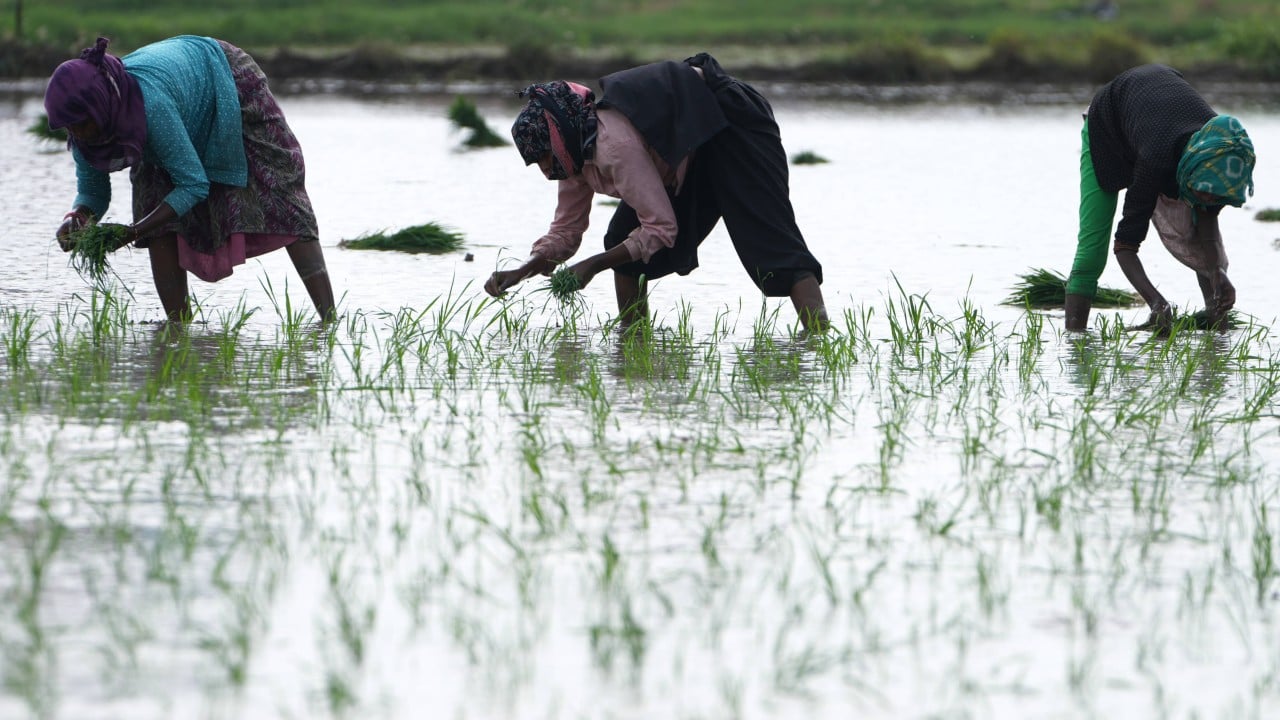
The climate crisis is unleashing a cascade of disasters across the Global South, where communities that contribute the least to global emissions are suffering the most. In India, the monsoon season has become dangerously unpredictable. June was the country’s fifth-driest on record, with rainfall nearly 40 percent below normal, delaying the sowing of key crops like rice, pulses, and oilseeds [200486][197039]. Then, in early July, a sudden deluge hit cities like Mumbai, which received about a month’s worth of rain in a single week, triggering deadly floods [200486][197113]. Scientists say the monsoon deluge is a clear sign of an intensifying global climate emergency [197113].
The erratic weather is now threatening India’s agricultural output and straining power grids, as farmers and energy planners struggle to adapt to the wild swings between drought and flood [200486]. More than half of India’s farmland depends on the seasonal rains [197039]. Delayed sowing reduces the time crops have to mature, leading to lower yields at harvest time. Analysts warn that lower crop output could push India’s overall inflation rate higher, putting pressure on household budgets [197039]. The government says it is prepared to release grain from state reserves and ease import rules if shortages worsen, but meteorologists predict below-normal rain for at least the next two weeks [197039].
Meanwhile, across Southeast Asia, Malaysia is bracing for record-high temperatures next year as the El Niño weather pattern strengthens [200479]. El Niño is a natural climate cycle marked by weaker trade winds and warmer ocean currents in the Pacific. Experts warn that this year’s event could be strong or even “super-strong,” increasing the risk of severe weather, including droughts, floods, and heatwaves [200479]. Mohd Hisham Mohd Anip, director general of Malaysia’s Meteorological Department, said the agency is monitoring the situation closely [200479].
The fossil fuel industry’s political influence continues to block meaningful action, even as the science linking extreme weather to emissions becomes more precise. A new report warns that oil companies face growing legal exposure as scientists improve their ability to link extreme weather events directly to climate change [199079]. The study finds that methods for calculating how much greenhouse gas emissions worsen specific storms, heatwaves, and floods are becoming more precise, meaning courts can now more reliably assign a portion of weather-related damages to individual emitters [199079].