US Navy Blocks 6 Ships, Disables 1 in Iran Blockade; Strikes Near Tehran as Conflict Escalates
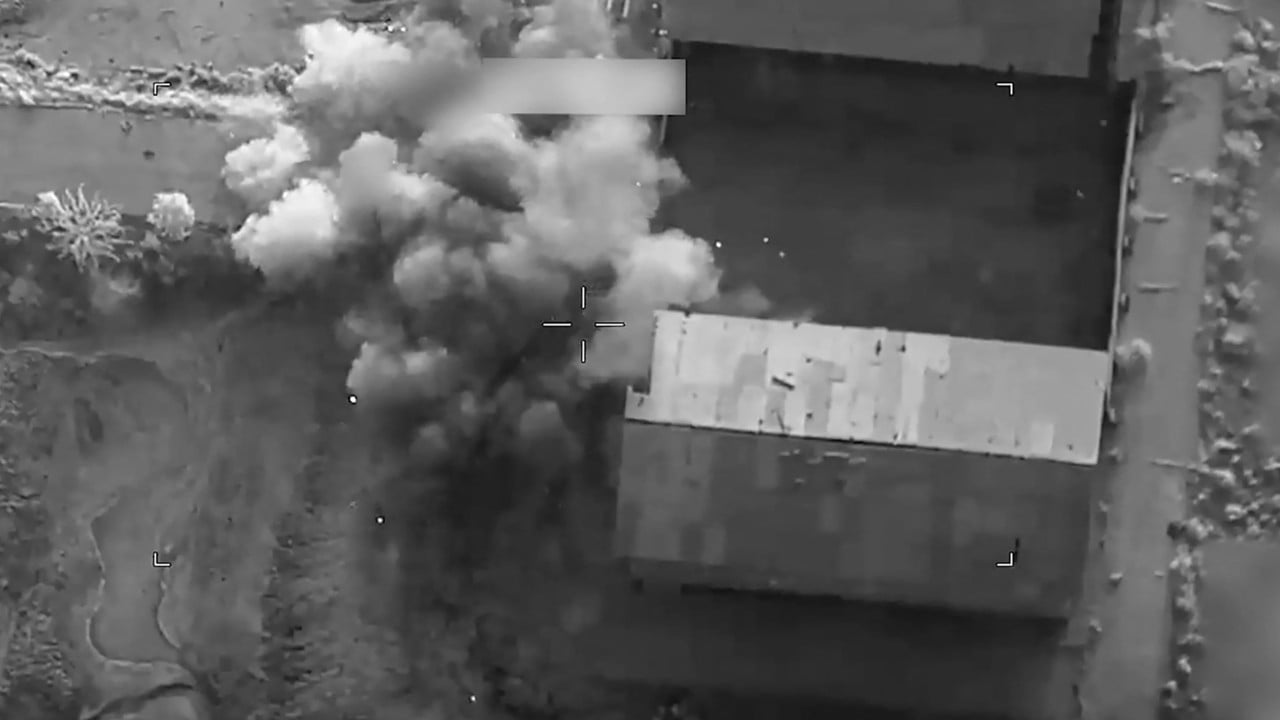
The United States has tightened its naval blockade on Iran, redirecting six commercial ships and disabling one, as the two nations exchange strikes for the sixth consecutive day, threatening to spill into a wider regional war.
The US Navy, operating from the guided-missile destroyer USS John Finn, blocked and redirected six commercial vessels while disabling another, according to U.S. Central Command (CENTCOM) [200160]. This comes as the US launched two waves of attacks on Iran’s coastal defenses and missile sites after reimposing the naval blockade of Iranian ports [197081]. Iran retaliated by targeting US military sites in neighboring countries, killing two American service members and leaving one missing in Jordan [199508].
The conflict has spread to the strategic Strait of Hormuz, a narrow waterway critical for global oil shipments [198643]. Iran’s Islamic Revolutionary Guard Corps (IRGC) announced it targeted two oil tankers attempting to cross the southern route of the strait [200064]. Tehran has declared the waterway a “red line,” while the US has increased military pressure to keep it open [198712].
The fighting has expanded beyond the strait. US strikes hit targets near Tehran, marking a significant expansion of the conflict [197401]. Kuwait and Bahrain confirmed they intercepted missiles and drones launched from Iran, while air raid sirens sounded in Jordan’s capital, Amman, and Israel reported Iranian missiles targeting the coastal city of Aqaba [200132]. The US Embassy in Bahrain warned that Iran may target unspecified locations in central Manama [200152].
Oil prices jumped on Monday as traders worried about disruptions to tanker traffic through the Strait of Hormuz, which handles about one-fifth of the world’s oil supply [194871][196361]. Tehran announced it has closed the strait again, deepening a humanitarian crisis that is already pushing millions into hunger [195031]. The World Food Programme reports it is feeding 1.5 million fewer people this year due to the conflict [195031].
An interim peace deal signed last month has collapsed, and there are growing fears the region could slide back into all-out war [196641][197401]. Both sides remain locked in a cycle of strikes and counterstrikes, with no ceasefire in sight [198643].