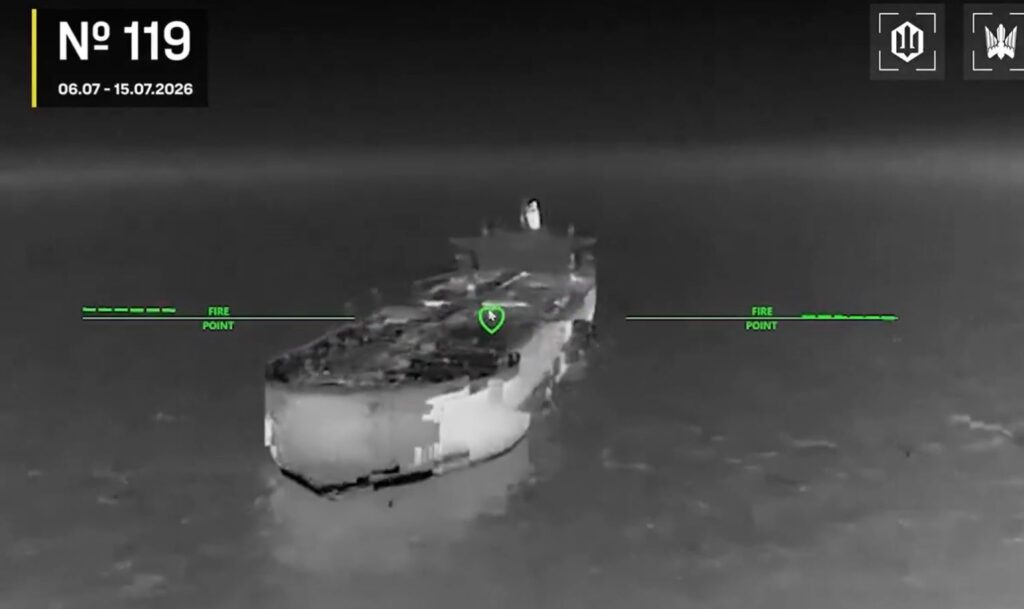
Nigerians Face Pain at the Pump as Strait of Hormuz Conflict Locks in High Fuel Prices
Nigerians hoping for cheaper petrol are being disappointed, as renewed fighting near the Strait of Hormuz threatens to keep global oil prices high, dashing any chance of immediate relief at the pump.
Many Nigerians have been demanding that petrol prices drop back to levels seen before the war in Ukraine [198814]. However, recent clashes near the Strait of Hormuz—a critical shipping route for global oil—are disrupting crude supplies, keeping international prices elevated [198814]. Since Nigeria relies heavily on imported petrol, local pump prices will remain high, directly contradicting public calls for cheaper fuel [198814]. The situation is worsened by a broader strain on global refining capacity, which means gas prices are stuck high even if the cost of crude oil falls, as refineries cannot quickly boost production to meet demand [198956]. Meanwhile, shipping traffic in the Persian Gulf has dropped to its lowest level in over a month, pushing oil prices to their highest point in 30 days due to the ongoing conflict with Iran [198566]. Analysts warn that further delays could tighten global markets even more [198566].