OPEC+ Adds 188,000 Barrels a Day as India Refuses to Kill Oil Refineries
Global oil producers are pumping more crude while India doubles down on building new refineries, ignoring the West’s shift away from fossil fuels.
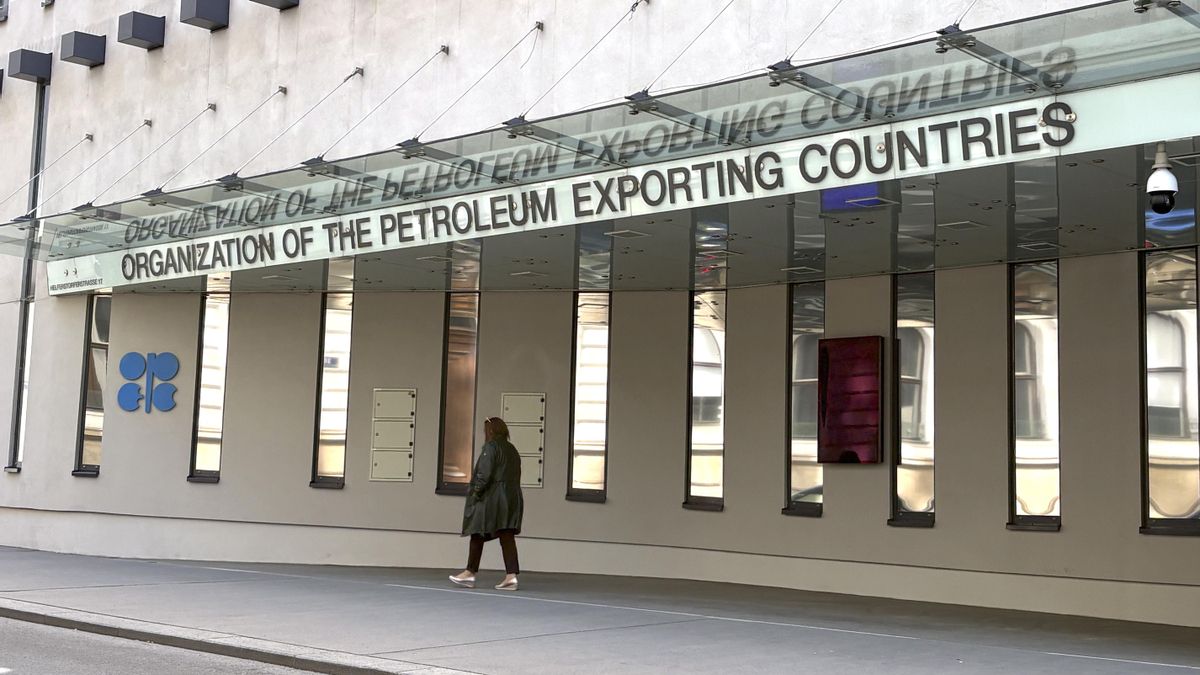
OPEC+, the oil producers’ alliance led by Saudi Arabia and Russia, agreed Sunday to increase its oil production for the fifth straight month. Starting August 1, the group will add 188,000 barrels per day to the global market [189488]. The decision was made during a teleconference by energy ministers from Saudi Arabia, Russia, Iraq, Kuwait, Kazakhstan, Algeria, and Oman. The move aims to stabilize markets amid ongoing global economic uncertainty [189488].
Meanwhile, India will continue building new crude oil refineries to protect its energy supply chain, Prime Minister Narendra Modi announced. This decision comes as several Western nations are shutting down their own processing units [189251]. Modi emphasized the need for supply chain security, ensuring India can meet its growing energy demand. The move highlights India’s strategy to maintain independence in fuel production, even as global trends shift away from traditional refining [189251].
In Russia, President Vladimir Putin has signed a law aimed at increasing gasoline supplies to the domestic market. The new tax amendments are designed to encourage fuel producers to sell more within Russia, addressing potential shortages [189235]. Moscow is also boosting subsidy payments to oil refiners that supply domestic fuel. The payments jumped more than six times in June compared to the same month last year, according to government data, as the Kremlin tries to stabilize its fuel market amid rising domestic prices and tightening export supply [188042].
Separately, President Donald Trump temporarily lifted the Jones Act, a 100-year-old law that restricts shipping between U.S. ports to American-built and crewed vessels. The suspension allowed foreign ships to deliver fuel to California, the Gulf Coast, and Puerto Rico [189168]. As a result, California drivers saw lower gas prices, Gulf Coast refiners gained cheaper access to crude, and Puerto Ricans received much-needed fuel supplies [189168].