30 Million Expected as Iran’s Six-Day Funeral for Khamenei Kicks Off in Tehran
Iran has begun a massive, six-day funeral for Supreme Leader Ayatollah Ali Khamenei, who was killed in a U.S.-Israeli airstrike on February 28, with up to 30 million mourners expected to attend events stretching from Tehran to Mashhad.
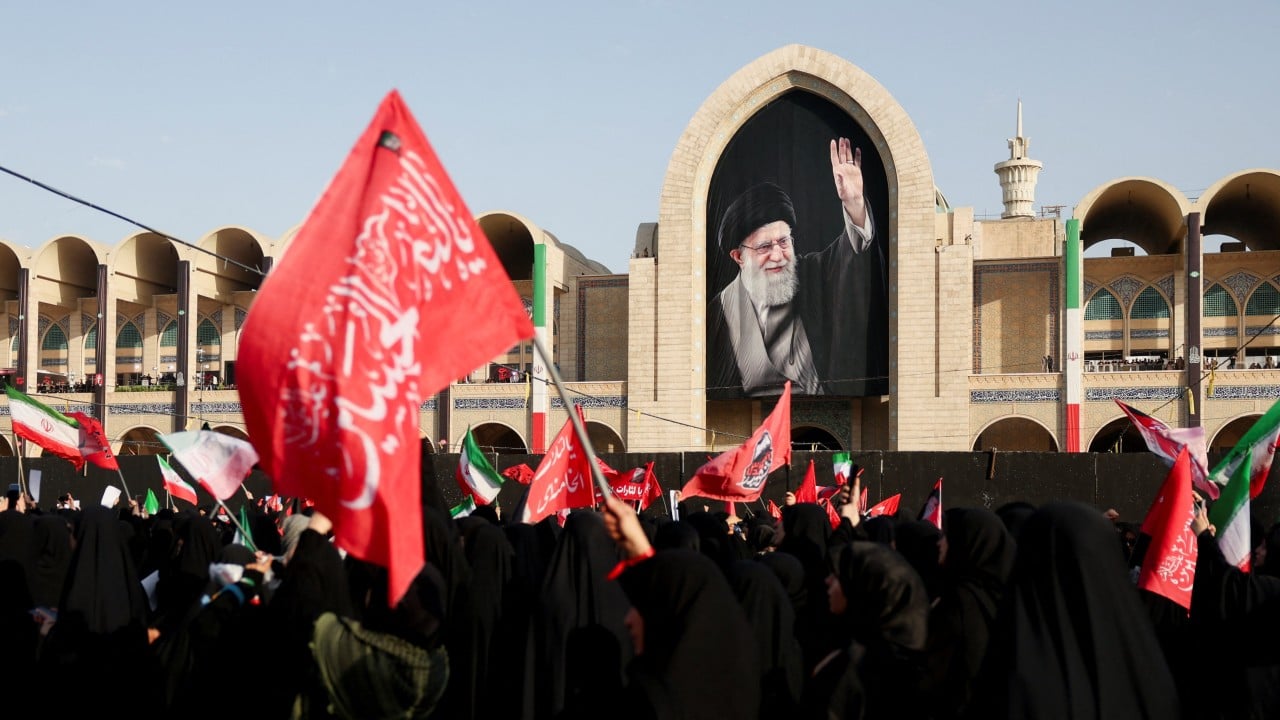
Huge crowds gathered in Tehran on Saturday as the gates of the Grand Mosalla mosque opened to thousands of mourners who had waited through the night. By 5:30 a.m., streets around the mosque were full, with many Iranians traveling for hours, carrying flags and posters of Khamenei [188980]. The funeral ceremonies, broadcast by state television, are intended as a show of strength to the Islamic republic’s opponents [188668]. Iranian authorities expect between 15 and 20 million participants in Tehran alone over the next three days [188668][186348].
Khamenei, who led the country for 35 years, was killed on the first day of the war with the United States and Israel [188872][188980]. His body lay in state in a vast hall in Tehran as clerics, officials, and foreign dignitaries paid their respects [188220]. Dignitaries from more than 100 countries are arriving, with security forces locking down major cities to prevent unrest during the high-profile gatherings [188621]. Major Eastern powers are sending high-level representatives, while no Western state is attending; Turkey is sending a delegation led by Vice President Cevdet Yılmaz [188910].
The six-day event is designed to emphasize the country’s sense of loss and desire for revenge. Mourners chanted “Death to America” and “Death to Israel” as emotions filled the air [188980]. The top commander of Iran’s Islamic Revolutionary Guard Corps made his first public appearance since the outbreak of the war during the funeral [188533]. However, the absence of Ayatollah Mojtaba Khamenei from a key funeral has sparked questions inside Iran’s political circles, with analysts pointing to long-simmering divisions among the country’s leaders and a lack of a clear decision-maker [188785].