Pentagon’s $1.6 Trillion Mineral Grab Sparks Indigenous Alarm as Mining Expands onto Tribal Lands
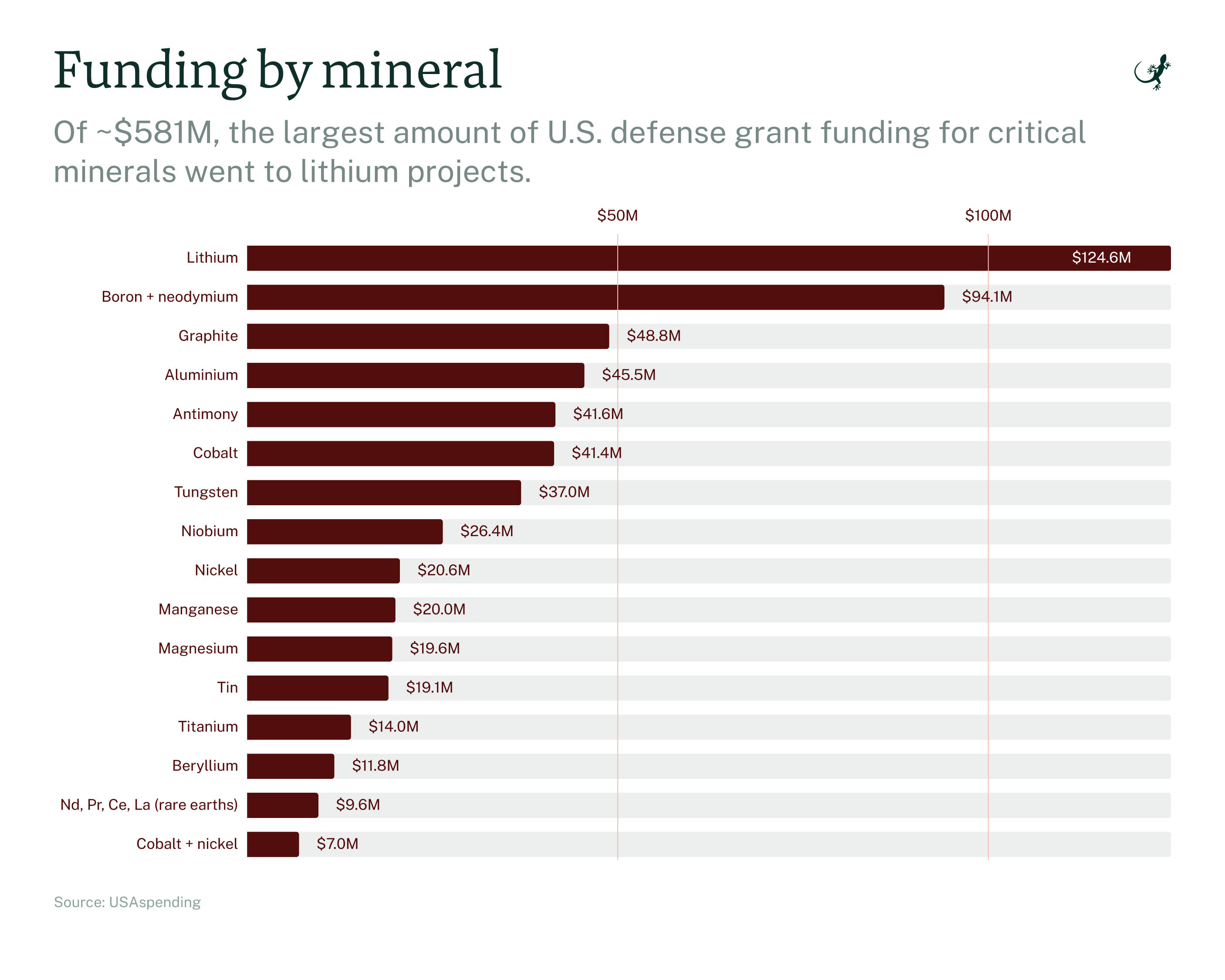
A massive Pentagon push to secure lithium, graphite, and other critical minerals for military drones and electric vehicle batteries is expanding mining projects onto or near Indigenous lands, triggering warnings from tribal leaders who say they are being sidelined in decision-making and face environmental and cultural losses. The U.S. military argues the spending is vital for national security and reducing reliance on foreign suppliers, but Indigenous communities warn the rush for resources threatens their land and way of life [176027].
The Pentagon is pouring billions of dollars into securing lithium, graphite, and other critical minerals used in everything from electric vehicle batteries to military drones. As demand soars, mining projects are expanding onto or near tribal lands across the United States. Indigenous leaders say they are being excluded from key decisions, risking environmental damage and the destruction of culturally significant sites. The U.S. military argues the spending is essential for national security and to reduce dependence on foreign suppliers, particularly China. But for many tribes, the rapid push for resources threatens both their land and their traditional way of life [176027].
Meanwhile, the federal government’s stance on prioritizing national security over environmental rules is playing out in other arenas. In a separate case, the U.S. Department of Justice has argued that Elon Musk’s artificial intelligence company, xAI, must be allowed to keep operating unpermitted gas turbines that power its data centers. The department claims the turbines are essential for “national, economic, and energy security,” even though they have not received required environmental permits. The Pentagon relies on xAI’s technology, and shutting down the turbines would disrupt critical work, the department argues [174310].
Japan is also moving to secure its own supply of rare-earth minerals, planning to explore mining in Greenland. The move aims to reduce Japan’s heavy reliance on China, which controls the majority of global production and processing of these elements. Japanese officials are in early talks with Greenland’s government, which holds large untapped deposits. The project signals growing global competition for rare-earth resources [172617].