World Cup Kicks Off With $1,000 Tickets, 40°C Heat, and 134,000 Missing: The Dark Side of 2026
The 2026 World Cup has officially begun, but off the pitch, the tournament is facing a crisis of extreme heat, skyrocketing costs, and widespread protests over Mexico’s missing persons crisis.
Matches are being played across the United States, Canada, and Mexico, where summer temperatures can exceed 40°C, raising serious health risks for players and fans [172007]. The tournament is also shaping up to be the most expensive in history, with ticket prices exceeding $1,000 and trade wars driving up costs for stadium materials, airfare, and hotels [172003]. Budgets are ballooning as host cities struggle to fund stadium upgrades and security [172007].
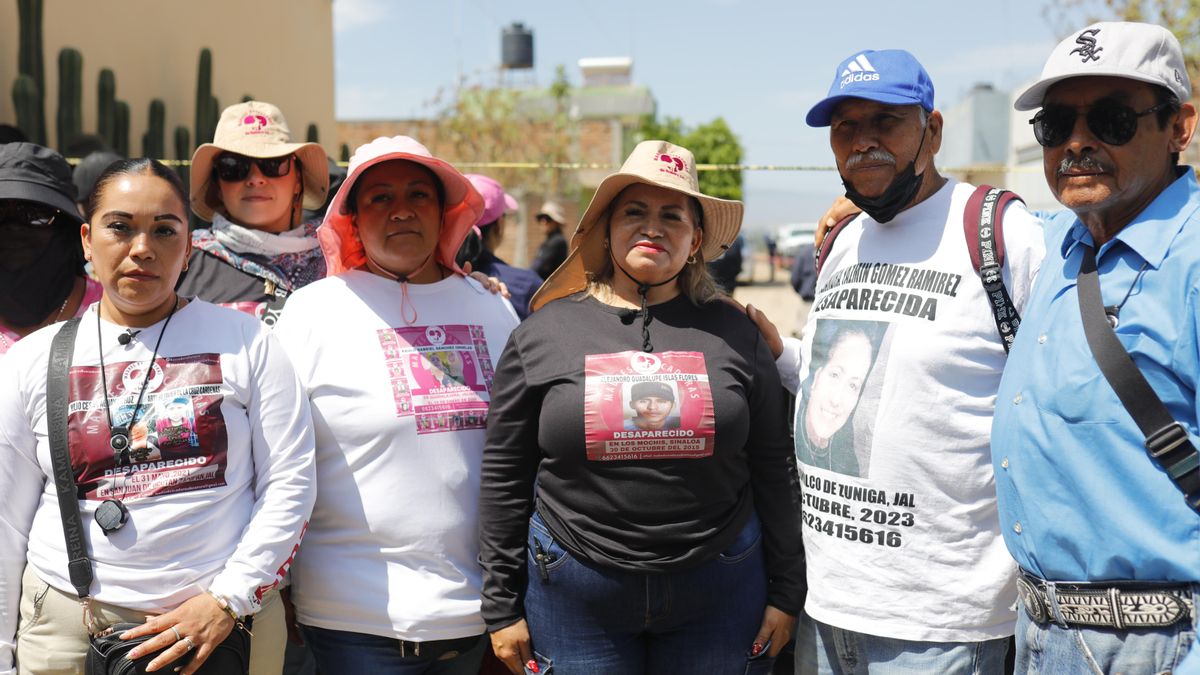
Meanwhile, in Mexico City, the opening match between Mexico and South Africa drew 80,000 fans to the Estadio Azteca [170792], but the celebration was overshadowed by protests. Thousands of demonstrators, including teachers and families of missing people, gathered across the city to demand justice for over 100,000 disappeared individuals [170799][170656]. Mothers of missing children marched toward the stadium holding photos of their loved ones, with one sign reading: “The ball comes home. When will our children come home?” [171814]. Outside the stadium, protesters shouted that Mexico is “champion in disappearances,” as 134,000 people remain unaccounted for [170875].
Police deployed more than 10,000 officers around the stadium and hotel corridors [170975]. Amnesty International condemned the use of fire extinguishers by security forces to disperse demonstrators, demanding respect for the rights to freedom of expression and peaceful assembly [170975].
The opening ceremony itself was widely panned as forgettable, featuring a lineup of Shakira, J Balvin, Maná, and Belinda performing to pre-recorded tracks [170875]. Critics said the show lacked energy, storytelling, and live music, with a simple stage design and no political messages [170875]. Mexico’s President Claudia Sheinbaum did not attend, giving her ticket to a young Indigenous woman [170875].
Adding to the turmoil, strict US travel bans and visa restrictions are leaving many fans feeling shut out of the tournament, with reports of long delays, denied applications, and confusing rules [168878]. Human rights groups are also calling on FIFA’s corporate sponsors to demand an “ICE Truce,” urging US federal officials to stop immigration enforcement at all World Cup events amid a harsh crackdown by the Trump administration [171532]. Six major sponsors—including Adidas, Coca-Cola, and Visa—responded to the call but gave no direct commitment to supporting the truce [171532].