Chinamaxxing Hits 100K Videos: Is This Culture or Just a Viral Meme?
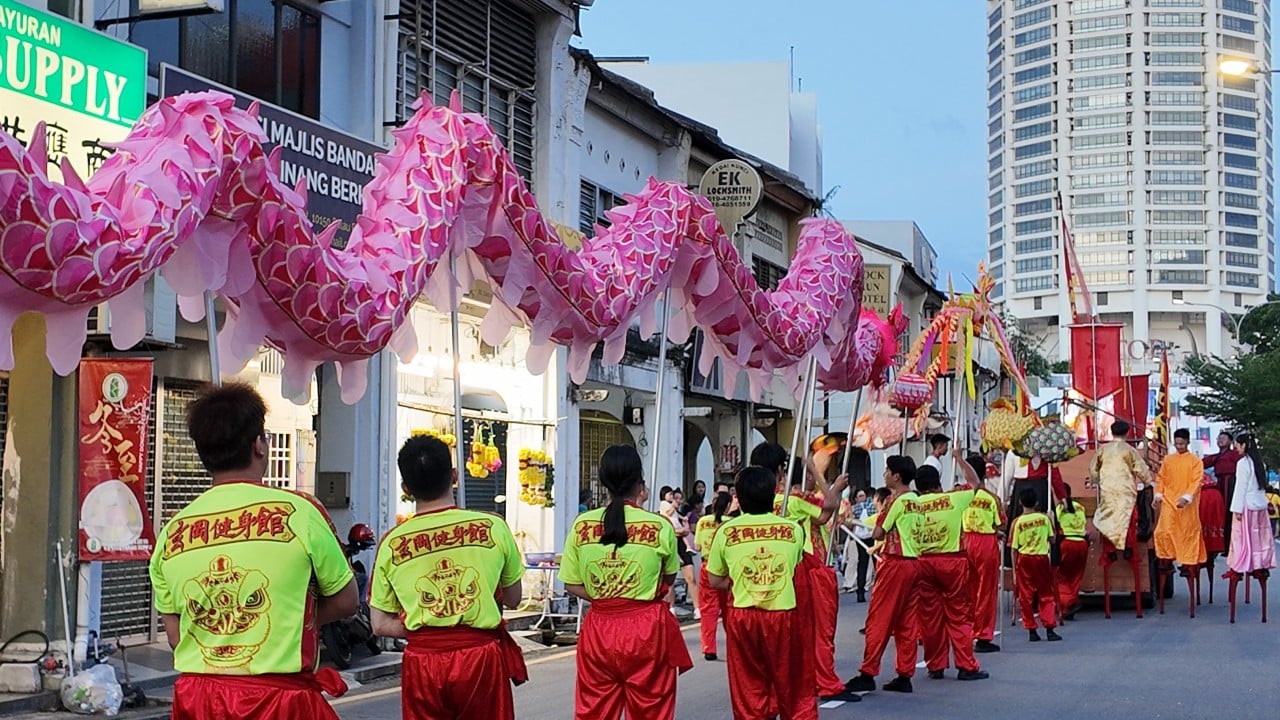
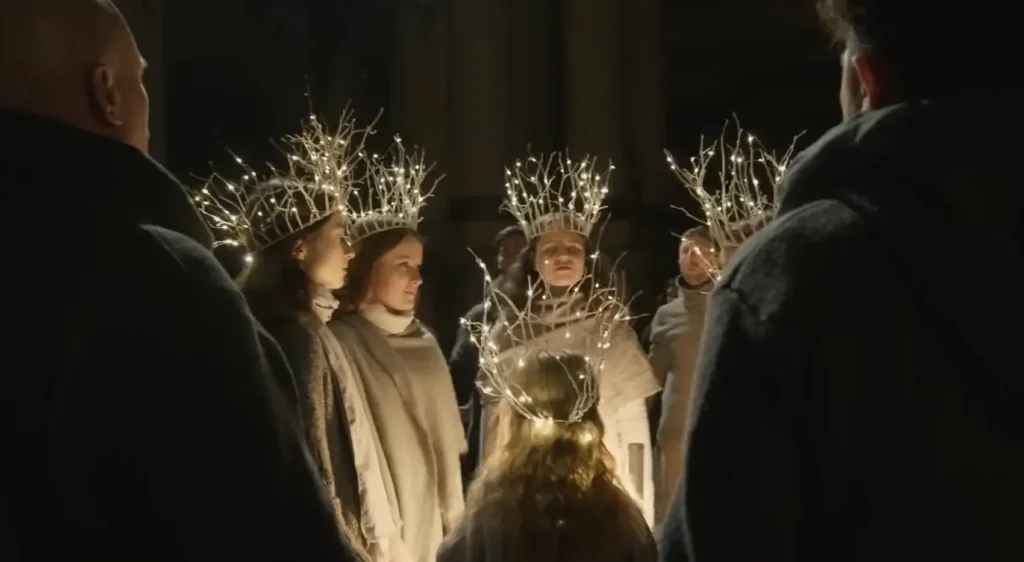
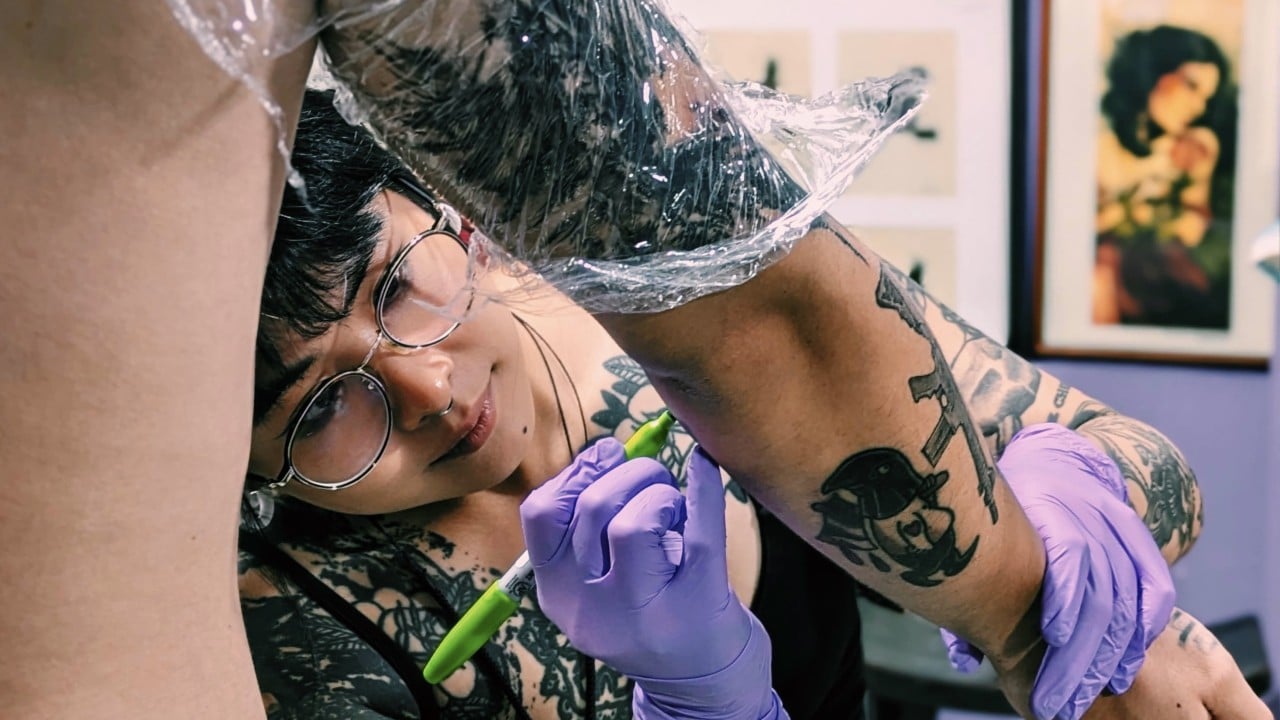
**Chinamaxxing Hits 100K Videos: Is This Culture or Just a Viral Meme?** This year, a viral trend called "Chinamaxxing" swept social media, with creators from all backgrounds adopting Chinese cultural habits—drinking hot water, wearing house slippers, using chopsticks, and favoring the color red. Content under the trend gathered hundreds of thousands of views on TikTok, Instagram, and X starting in mid-2025 [109231]. Many Chinese people watching the trend feel a mix of curiosity and unease, seeing customs they have practiced their entire lives become a short-lived internet meme [109231]. The phenomenon reflects a larger global shift in cultural influence. In Latin America, Korean culture—from K-pop and skincare to food and fashion—is booming, with young dancers in Santiago, Chile, practicing K-pop routines and counting steps in Korean while following a video with over 1.3 billion views [118721]. Experts note this marks a significant shift in the region's cultural landscape, as the United States is no longer the only major cultural influence [118721]. At the same time, individuals and communities are actively working to preserve authentic cultural identity. In Burundi, writer Aïta Chancella Kanyange, 33, writes children’s books to protect her country's traditions and pass them to the youngest generation, ensuring Burundi’s heritage remains alive amid modernization [129635]. In Ukraine, a new playlist of ancient Christmas carols, or *koliadky*, connects centuries-old folk chants to modern times, preserving language and culture during periods of oppression [32337]. In Syria, the Circassian community has maintained its language, customs, and social practices for over a century while fully integrating into national society [36001]. Meanwhile, Syria’s ancient craft of embroidery has survived widespread destruction from war, serving as a powerful symbol of living cultural identity [47200]. Elsewhere, efforts to protect cultural heritage are formalizing. Malaysia and Singapore have submitted a joint application to UNESCO for the century-old Chingay parade, featuring performers balancing towering flagpoles on their chins and fingertips, and hope for recognition to protect and promote the unique art form [31985]. In Hong Kong, a group of women tattoo artists are redefining their craft by incorporating traditional Chinese elements like painting, calligraphy, and Buddhist philosophy [44500]. Chinamaxxing: When Your Culture Becomes a Viral Meme Korean Wave Washes Over Latin America, Shifting Cultural Tides Burundian Author Fights to Save Culture with Children's Books Ukrainian Christmas Carols: Ancient Sounds of Defiance and Hope Syria's North Caucasus Legacy: The Circassians' Enduring Identity Syrian Embroidery Survives War, Defines Identity Malaysia's Chin-Balancing Spectacle Aims for UNESCO Glory Hidden Stories: From Tattoo Needles to Viral Buttons
Articles in this Cluster
Hong Kong's Next Big Trade: Culture Over Capital?

Burundian Author Fights to Save Culture with Children's Books
Korean Wave Washes Over Latin America, Shifting Cultural Tides

China’s Cultural Heritage May Offer an Edge in Guiding AI
Ukrainian Christmas Carols: Ancient Sounds of Defiance and Hope

Feng Jicai: Chinese New Year is More Than Fireworks
Chinamaxxing: When Your Culture Becomes a Viral Meme

Christmas 2025: Surfing Santas, Dancing Cows, and Global Carols

Ch

Celine Dion's Paris Return: More Than a Concert, A "Cultural Treasure Hunt"
Remote DJs Rise with Sámi Sound, Fueling Indigenous Pride

Syria's North Caucasus Legacy: The Circassians' Enduring Identity
Hidden Stories: From Tattoo Needles to Viral Buttons

Syrian Embroidery Survives War, Defines Identity