Global Leaders Sound Alarm as "Geoeconomic Warfare" Tops 2026 Threat List
Global Leaders Sound Alarm as "Geoeconomic Warfare" Tops 2026 Threat List A new report from the World Economic Forum (WEF) has identified "geoeconomic warfare"—the weaponization of trade, supply chains, and investment between nations—as the number one global threat for the next two years [49991]. This finding, set to be a central topic at the upcoming WEF meeting in Davos, Switzerland, signals a world increasingly defined by economic conflict used as a tool of strategic rivalry. The WEF's latest Global Risks Report concludes that geopolitical competition is forcing countries to turn economic tools into weapons, a shift that now outranks all other dangers to international stability [49991]. This volatile environment is fueled by three interconnected short-term threats: geopolitical rivalry itself, the rapid spread of misinformation, and severe social and political polarization [49991]. Analysts note that this global power shift aligns with a deliberate strategy championed by former U.S. President Donald Trump and his political allies, marking a decisive break from the existing international order [54213]. The scale of this transformation is now broadly recognized, forcing global leaders to determine their response to the new reality [54213]. The defining story of 2026 will be heavily influenced by this climate of confrontation, with international correspondents predicting that the U.S. presidential election will be the year's central global event [35508]. The race for the White House is expected to impact critical issues worldwide, including the war in Ukraine, competition with China, and global climate policy, as every international move by the current or next administration is viewed through a political lens [35508]. Despite this tense atmosphere, a century of globalized trade has created deep economic interdependence that may act as a restraint [6971]. Most countries are now less willing to pick sides in a major power rivalry because of their strong interest in maintaining stable trade relationships, suggesting the dynamics of 21st-century geopolitics are being shaped by widespread interdependence rather than its total collapse [6971]. Geoeconomic Warfare Named Top Global Threat for 2026 Trump's Plan to Remake the World Order Begins 2026: A World Shaped by Washington Globalization Shifts, But It Doesn't Reverse
Articles in this Cluster
Global News Digest: November 24, 2025
Global News Briefing: November 14, 2025
Global News Briefing: November 16, 2025
Global News Digest: November 17, 2025
Global News Digest: November 30, 2026
Global News Digest: November 20, 2025
Global News Digest: November 15, 2025
Six Global Flashpoints That Will Define 2026
Your Questions, Answered: Times Reporters Explain War, Economy and Key News
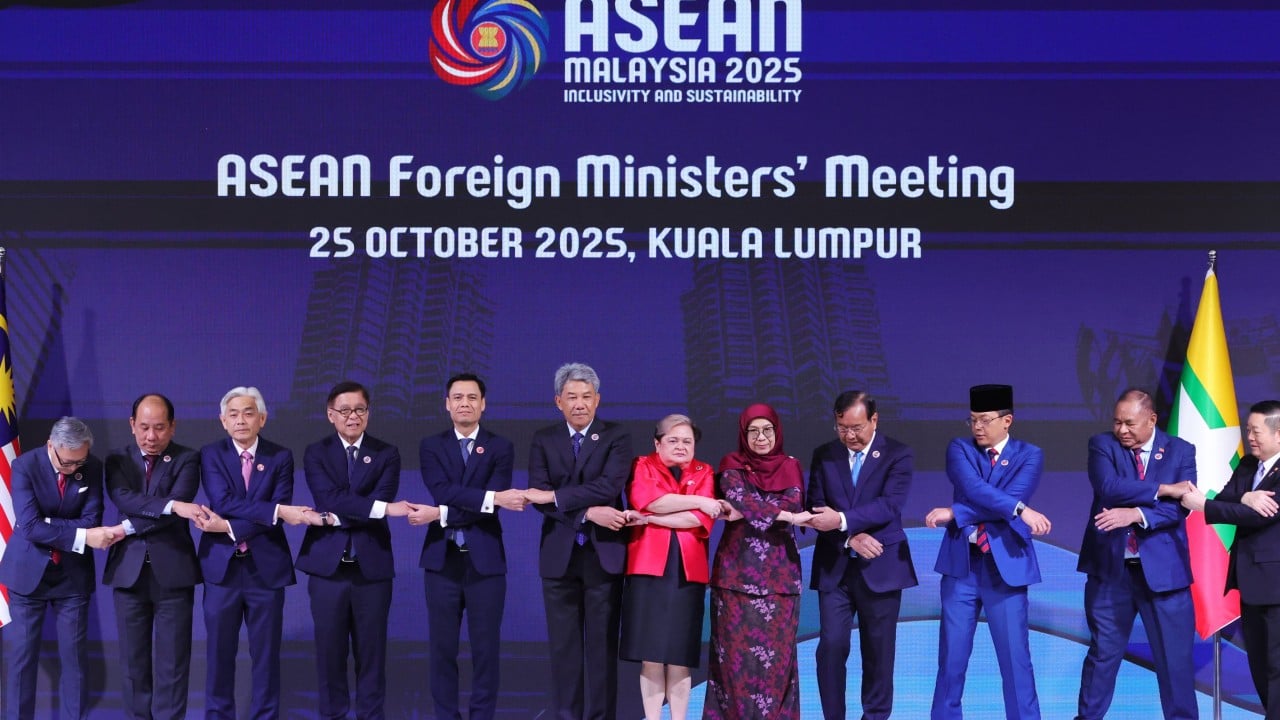
Globalization Shifts, But It Doesn't Reverse
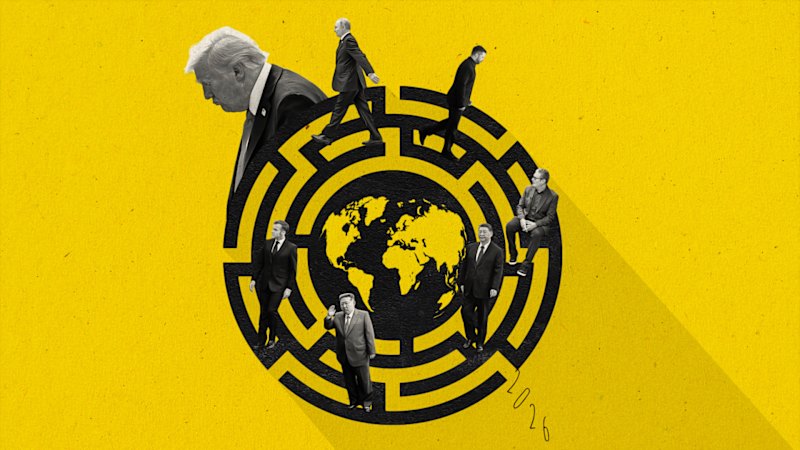
2026: A World Shaped by Washington

Global Headlines: A Look at the World's Top Stories

Geoeconomic Warfare Named Top Global Threat for 2026

Trump's Plan to Remake the World Order Begins
