From Tattoo Needles to Viral Buttons: How Cultural Traditions Fight to Survive in the Modern World
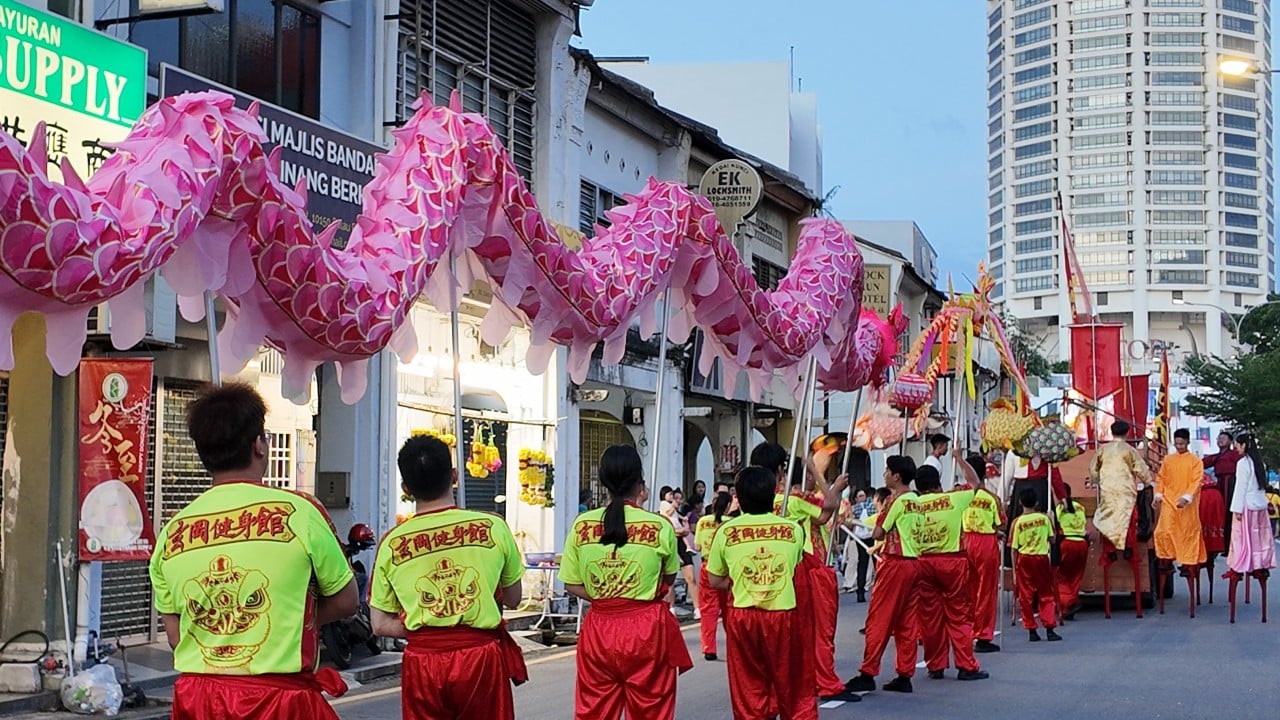
From Tattoo Needles to Viral Buttons: How Cultural Traditions Fight to Survive in the Modern World From the Arctic to the Middle East, communities around the globe are mobilizing to protect their unique cultural practices against the pressures of modernization, war, and fleeting online trends. These efforts highlight culture not merely as entertainment, but as a vital, living core of identity and resilience. In Burundi, writer Aïta Chancella Kanyange, 33, is using children’s books to safeguard national heritage. She writes simple stories for young children to pass on important customs and values, believing these tales are a key tool for preserving Burundi's traditions for the next generation [129635]. This struggle for preservation is stark in places affected by conflict. In Syria, a German scholar has highlighted the ancient craft of embroidery as a powerful symbol of living cultural identity that has survived widespread destruction from war. Researcher Heike Weber emphasized that this intangible heritage remains a deeply rooted form of expression passed through generations [47200]. Meanwhile, Syria's Circassian community is noted as a model of cultural diversity, having preserved its ancient language and customs for over a century while fully integrating into Syrian society [36001]. Indigenous groups are also finding new platforms. A Sámi DJ duo from Norway’s remote Arctic north is gaining international success by blending modern electronic music with traditional Sámi rhythmic singing, known as joik. Their work meets a growing audience appetite for Indigenous culture in global club music [79759]. In Ukraine, a new collection of Christmas carols, or *koliadky*, connects centuries-old folk chants to the present. Music scholars note these songs have long preserved language and culture during periods of oppression, with many carrying subtle messages of resistance and national identity [32337]. Some communities are seeking formal recognition for their traditions. Malaysia and Singapore have submitted a joint application to UNESCO to have the Chingay parade—a century-old festival featuring performers balancing towering flagpoles on their chins—listed as Intangible Cultural Heritage. Organizers believe the designation would help protect and promote the unique art form [31985]. Even in viral trends, the tension between appreciation and appropriation emerges. The recent "Chinamaxxing" trend saw people globally adopting Chinese cultural habits like drinking hot water and using chopsticks, gathering hundreds of thousands of views online. For many Chinese people, however, watching lifelong customs become short-lived internet memes has been a strange experience, raising questions about the durability of such online appreciation [109231]. These parallel efforts underscore a global movement to ensure that the defining practices of communities endure as more than history, but as active, evolving parts of modern life. Burundian Author Fights to Save Culture with Children's Books Syrian Embroidery Survives War, Defines Identity Syria's North Caucasus Legacy: The Circassians' Enduring Identity Remote DJs Rise with Sámi Sound, Fueling Indigenous Pride Ukrainian Christmas Carols: Ancient Sounds of Defiance and Hope Malaysia's Chin-Balancing Spectacle Aims for UNESCO Glory Chinamaxxing: When Your Culture Becomes a Viral Meme
Articles in this Cluster
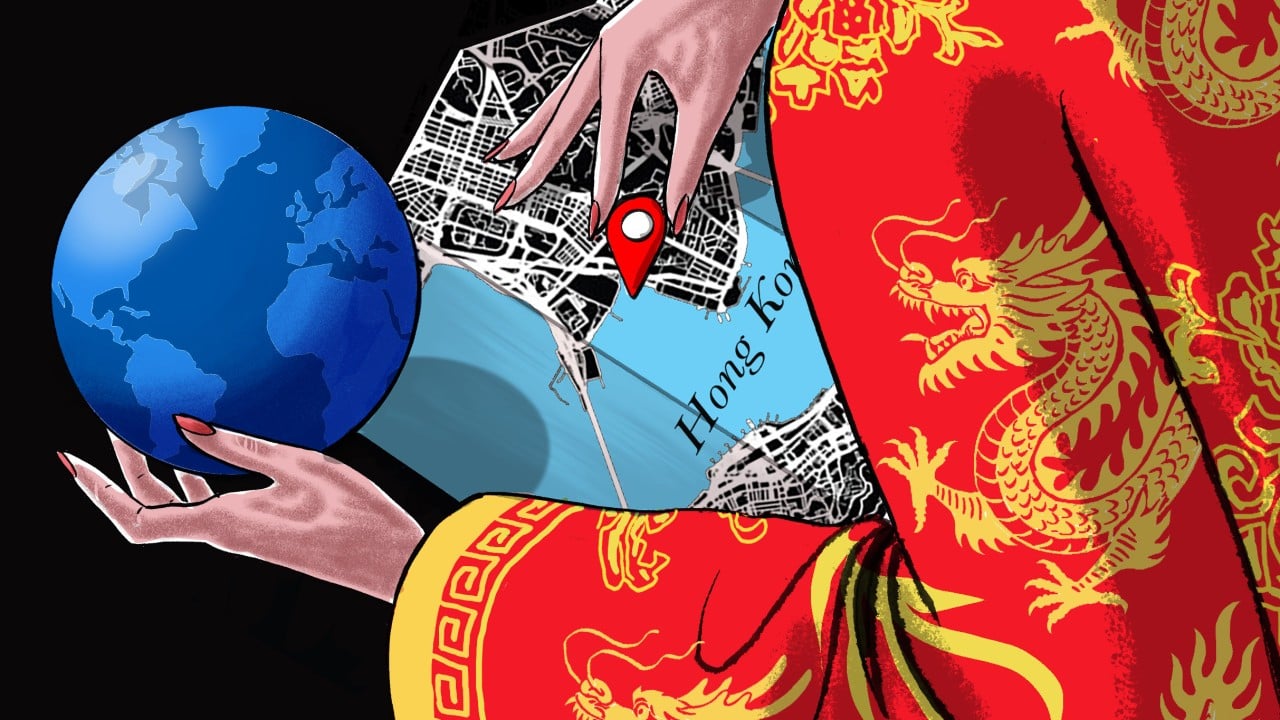
Hong Kong's Next Big Trade: Culture Over Capital?

Burundian Author Fights to Save Culture with Children's Books
Korean Wave Washes Over Latin America, Shifting Cultural Tides

China’s Cultural Heritage May Offer an Edge in Guiding AI

Ukrainian Christmas Carols: Ancient Sounds of Defiance and Hope

Feng Jicai: Chinese New Year is More Than Fireworks
Chinamaxxing: When Your Culture Becomes a Viral Meme

Christmas 2025: Surfing Santas, Dancing Cows, and Global Carols

Ch

Celine Dion's Paris Return: More Than a Concert, A "Cultural Treasure Hunt"
Remote DJs Rise with Sámi Sound, Fueling Indigenous Pride

Syria's North Caucasus Legacy: The Circassians' Enduring Identity
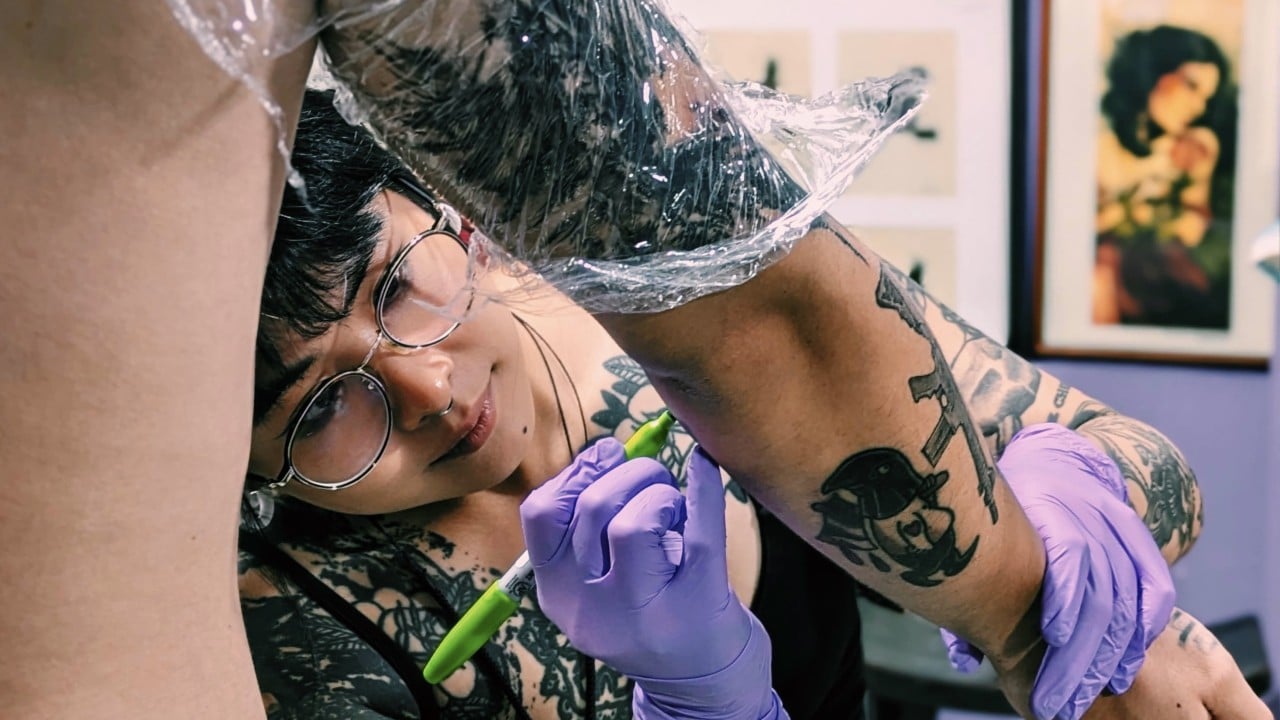
Hidden Stories: From Tattoo Needles to Viral Buttons

Syrian Embroidery Survives War, Defines Identity