From Arctic DJs to Earth-Built Hubs: How Communities Are Fighting to Keep Their Cultures Alive
**From Arctic DJs to Earth-Built Hubs: How Communities Are Fighting to Keep Their Cultures Alive** Around the world, from the remote Arctic to bustling global capitals, communities are leveraging creativity and tradition to assert their identities in the face of homogenizing global trends. This movement sees culture not merely as entertainment, but as a vital tool for preservation, resistance, and community building. In Norway’s far north, the Indigenous Sámi DJ duo Article 3 is turning geographic isolation into a musical advantage. By blending modern electronic beats with traditional Sámi rhythmic singing, known as *joik*, they are fueling a growing appetite for Indigenous culture in global club music [79759]. Similarly, in Burundi, author Aïta Chancella Kanyange is using children’s books written in accessible language to pass on national customs and values to the youngest generation, viewing stories as a key tool for preserving a cultural identity under pressure [129635]. This cultural assertion often carries a tone of resilience. In Ukraine, a new collection of Christmas carols, or *koliadky*, connects ancient folk chants to modern adaptations, with many songs historically carrying subtle messages of national identity during periods of oppression [32337]. In Syria, the Circassian community has maintained its unique language and social customs for over a century while fully integrating into national society, serving as a model of sustained cultural preservation [36001]. The physical spaces of culture are also being reimagined to reflect heritage. In Dakar, Senegal, the new Goethe-Institut building, designed by architect Francis Kéré, is constructed primarily from compressed earth blocks. This use of local, sustainable materials makes the institute itself a statement of traditional craftsmanship meeting contemporary global dialogue [131302]. Even within dominant cultural flows, local expressions persist and adapt. The global spread of Korean pop culture, or the "Korean Wave," is shifting influences in regions like Latin America, where K-pop dance practices in public squares are now common [118721]. Meanwhile, figures like Chinese writer Feng Jicai argue that traditions like the Spring Festival represent an unbroken "cultural river" that offers a vital, profound link to history and identity beyond superficial celebration [84043]. These parallel efforts highlight a global pattern: communities are actively using music, literature, architecture, and tradition to ensure their unique heritages endure, adapt, and remain relevant for future generations. Remote DJs Rise with Sámi Sound, Fueling Indigenous Pride Burundian Author Fights to Save Culture with Children's Books Ukrainian Christmas Carols: Ancient Sounds of Defiance and Hope Syria's North Caucasus Legacy: The Circassians' Enduring Identity **Dakar's New Cultural Hub is Built from Earth** Korean Wave Washes Over Latin America, Shifting Cultural Tides Feng Jicai: Chinese New Year is More Than Fireworks
Articles in this Cluster
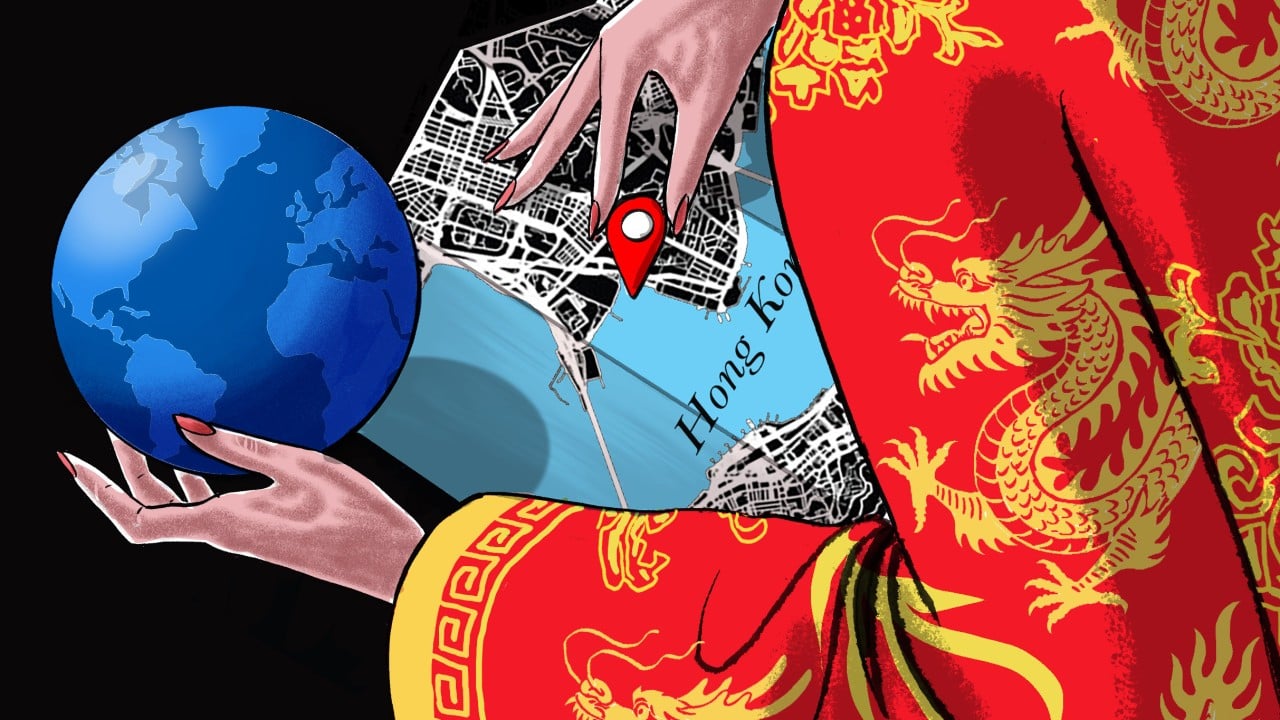
Hong Kong's Next Big Trade: Culture Over Capital?

Burundian Author Fights to Save Culture with Children's Books
Korean Wave Washes Over Latin America, Shifting Cultural Tides

China’s Cultural Heritage May Offer an Edge in Guiding AI
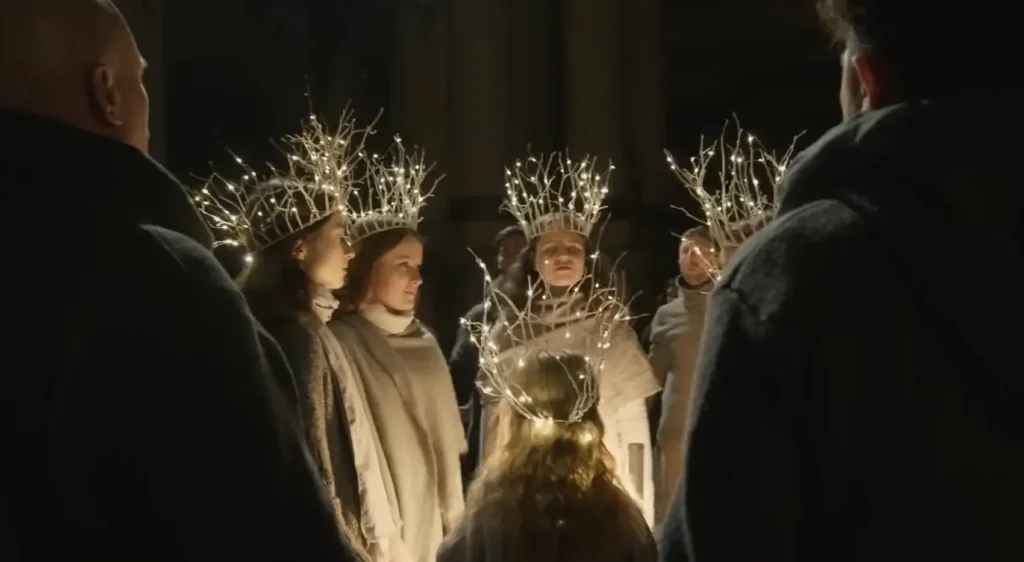
Ukrainian Christmas Carols: Ancient Sounds of Defiance and Hope

Feng Jicai: Chinese New Year is More Than Fireworks
Chinamaxxing: When Your Culture Becomes a Viral Meme

Christmas 2025: Surfing Santas, Dancing Cows, and Global Carols

Ch

Celine Dion's Paris Return: More Than a Concert, A "Cultural Treasure Hunt"
Remote DJs Rise with Sámi Sound, Fueling Indigenous Pride
Dakar's New Cultural Hub is Built from Earth

France's Loudest Tradition: The Fanfare

Syria's North Caucasus Legacy: The Circassians' Enduring Identity