From K-Pop to Fanfares, Communities Fight to Keep Their Culture Alive
From K-Pop to Fanfares, Communities Fight to Keep Their Culture Alive Around the world, from the dance floors of Latin America to the remote Arctic, communities are harnessing their unique cultural expressions as a vital tool for identity, resistance, and continuity in a globalized age. This movement sees traditional practices and modern art forms deployed not just for entertainment, but as active defenses against cultural homogenization and loss. In Latin America, the cultural landscape is shifting as South Korean influence, known as the Korean Wave or Hallyu, challenges decades of American cultural dominance [118721]. In Santiago, Chile, young dancers meticulously learn K-pop routines from YouTube videos with billions of views, while Korean beauty, food, and fashion gain massive appeal across the region [118721]. This represents a significant diversification of the region's cultural imports. Simultaneously, Indigenous and local traditions are being amplified through modern platforms. In Norway, the Sámi DJ duo Article 3 is achieving international success by blending contemporary electronic music with traditional Sámi joik singing, directly inspired by their life in the Arctic region of Sápmi [79759]. Their rise meets a growing global audience appetite for authentic Indigenous sounds in club culture [79759]. In Ukraine, the ancient tradition of Christmas carols, or *koliadky*, is being curated into new playlists that connect centuries-old folk chants to the present day [32337]. Music scholars note these songs have long preserved language and national identity during periods of oppression, with many carrying subtle messages of resilience [32337]. On the ground, communities are using ritual to address contemporary challenges. In Gabon, residents of Pointe-Denis performed an ancient animist ceremony, presenting offerings to the spirits of the sea in an effort to combat coastal erosion [130928]. They believe the ritual calms the sea and protects their shoreline, blending spiritual tradition with environmental action [130928]. Meanwhile, individual creators are targeting the youngest generation to ensure survival. In Burundi, author Aïta Chancella Kanyange, 33, writes children's books focused on celebrating national traditions, believing these accessible stories are a key tool for preserving cultural identity for those aged 2 to 10 [129635]. Even in highly integrated diaspora communities, such as the Circassians in Syria, a balance is struck. Experts describe them as a model of cultural diversity, having preserved their North Caucasus language and customs for over a century while becoming a fundamental part of Syrian society [36001]. This global push underscores culture as a dynamic, living force. As one observer of China's Spring Festival described it, such traditions are not merely holidays but a "cultural river" that has flowed for thousands of years, offering a vital link to history and identity [84043]. Korean Wave Washes Over Latin America, Shifting Cultural Tides Remote DJs Rise with Sámi Sound, Fueling Indigenous Pride Ukrainian Christmas Carols: Ancient Sounds of Defiance and Hope Gabonese Village Fights Erosion with Ancient Ritual Burundian Author Fights to Save Culture with Children's Books Syria's North Caucasus Legacy: The Circassians' Enduring Identity Feng Jicai: Chinese New Year is More Than Fireworks
Articles in this Cluster
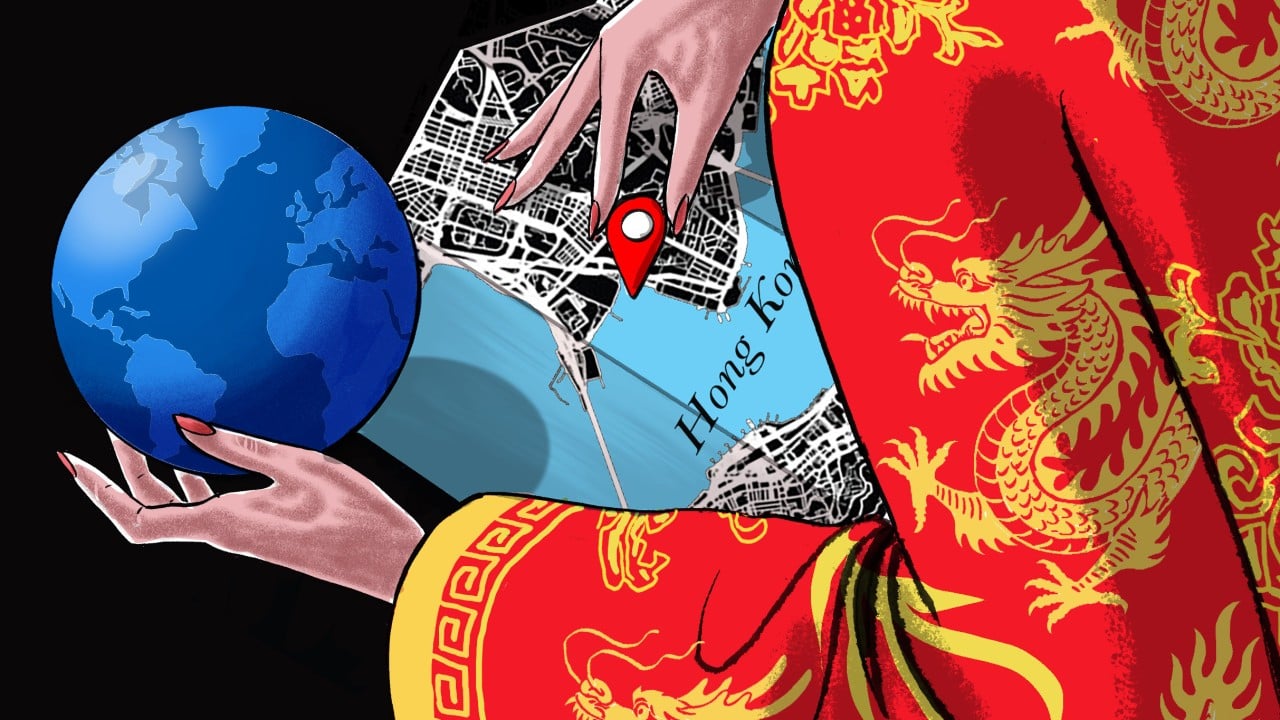
Hong Kong's Next Big Trade: Culture Over Capital?
Dakar's New Cultural Hub is Built from Earth

Burundian Author Fights to Save Culture with Children's Books

Gabonese Village Fights Erosion with Ancient Ritual

France's Loudest Tradition: The Fanfare
Korean Wave Washes Over Latin America, Shifting Cultural Tides

China’s Cultural Heritage May Offer an Edge in Guiding AI
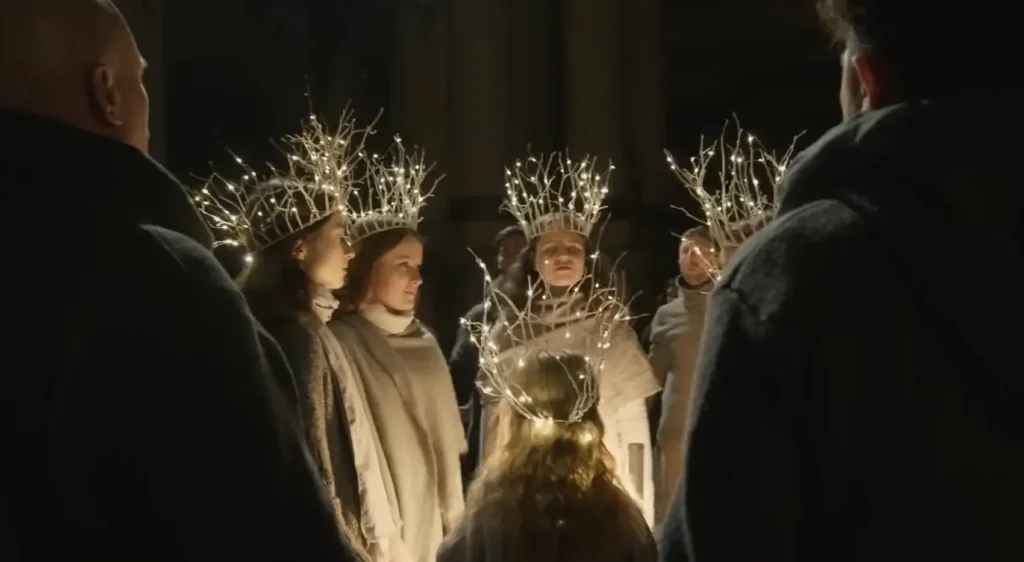
Ukrainian Christmas Carols: Ancient Sounds of Defiance and Hope

Feng Jicai: Chinese New Year is More Than Fireworks
Chinamaxxing: When Your Culture Becomes a Viral Meme

Christmas 2025: Surfing Santas, Dancing Cows, and Global Carols

Ch

Celine Dion's Paris Return: More Than a Concert, A "Cultural Treasure Hunt"
Remote DJs Rise with Sámi Sound, Fueling Indigenous Pride
