Global Powers Weaponize Trade as Top Threat for 2026, Report Warns
Global Powers Weaponize Trade as Top Threat for 2026, Report Warns A new report from the World Economic Forum (WEF) has identified economic warfare between nations as the most severe and immediate threat to global stability in the next two years [49991]. The warning highlights a world where geopolitical rivalry is increasingly fought with the tools of trade, supply chains, and investment, creating a volatile environment for growth and security. The WEF's latest Global Risks Report states that this "geoeconomic confrontation" now ranks above all other global dangers [49991]. The short-term outlook is dominated by three interconnected threats: intense geopolitical rivalry, the rapid spread of misinformation, and severe social and political polarization [49991]. Analysts note that this shift represents a move away from traditional military competition toward using economic policy as a primary instrument of state power [49991]. This strategy threatens to fragment the global economy and undermine decades of trade integration. Despite this trend toward confrontation, deep economic interdependence built over a century of globalization continues to shape international relations [6971]. Most countries remain heavily linked by trade and have a strong interest in maintaining stable economic relationships, making them reluctant to fully choose sides in a major power rivalry [6971]. The findings will be a central topic at the WEF's annual meeting in Davos, Switzerland, next week as global leaders grapple with the risks of a fractured economic landscape [49991]. Geoeconomic Warfare Named Top Global Threat for 2026 Globalization Shifts, But It Doesn't Reverse
Articles in this Cluster
Global News Digest: November 24, 2025
Global News Briefing: November 14, 2025
Global News Briefing: November 16, 2025
Global News Digest: November 17, 2025
Global News Digest: November 30, 2026
Global News Digest: November 20, 2025
Global News Digest: November 15, 2025
AI as a National Security Asset: From Battlefields to Household Pets
Six Global Flashpoints That Will Define 2026
Your Questions, Answered: Times Reporters Explain War, Economy and Key News
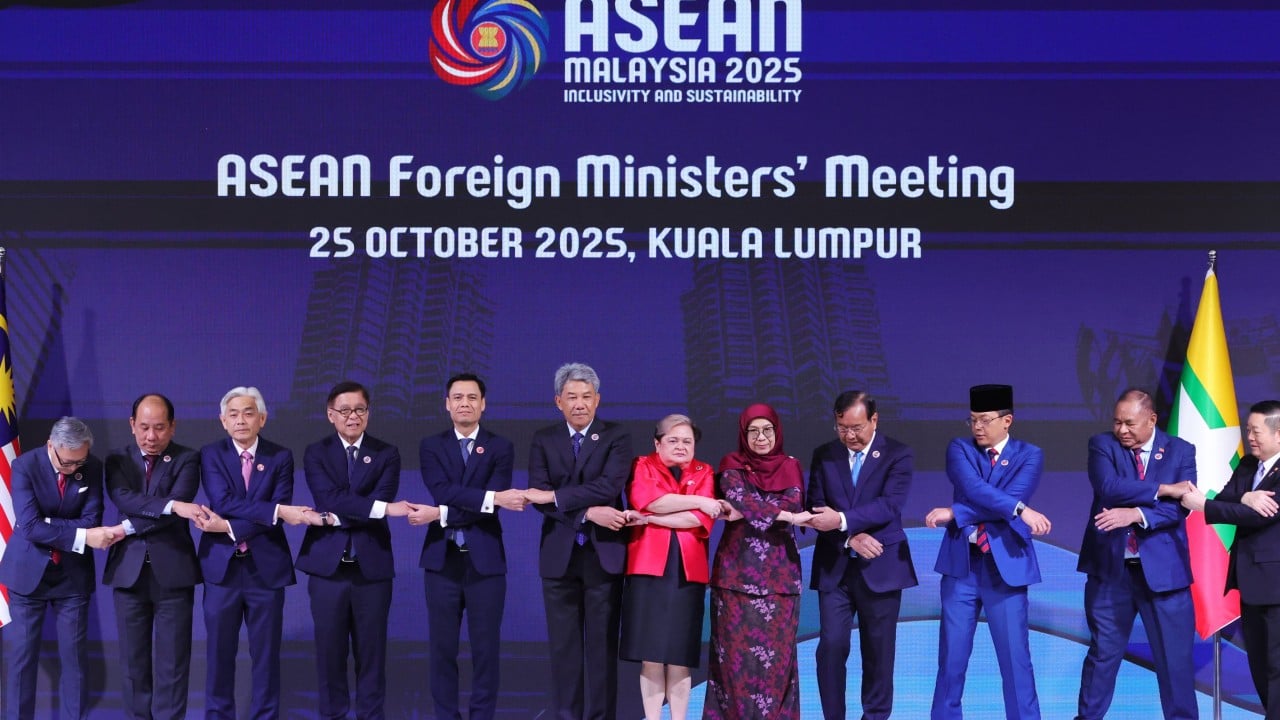
Globalization Shifts, But It Doesn't Reverse
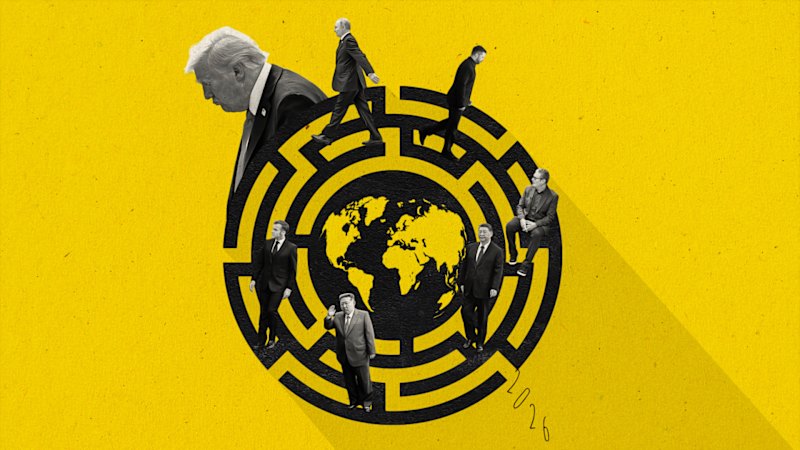
2026: A World Shaped by Washington

Global Headlines: A Look at the World's Top Stories

Geoeconomic Warfare Named Top Global Threat for 2026
