Iran War Sparks Global Energy Crisis, Forcing Nations to Scramble for New Deals
Iran War Sparks Global Energy Crisis, Forcing Nations to Scramble for New Deals A widening war in the Middle East has choked off a vital artery of global energy, forcing countries across Asia to forge emergency pacts and brace for a prolonged crisis. The conflict, triggered by U.S. and Israeli strikes on Iran, has led Tehran to restrict access to the Strait of Hormuz, blocking a major route for the world's oil and gas [131334]. The head of the International Energy Agency warns it could take two years for production to return to normal if the conflict continues [131334]. The immediate impact is a severe squeeze on global fuel supplies. In response, nations are urgently seeking stable alternatives to Middle Eastern energy. Australia and Malaysia signed a bilateral pact this week, pledging to maintain oil and gas supplies to each other to bypass the disrupted route [130696]. "The agreement aims to ensure reliable energy trade between the two partners, bypassing the troubled Middle Eastern route," one report noted [130696]. The strategic waterway's closure is not just a theoretical threat. Attacks in the region have already caused environmental damage, with satellite images showing an oil spill from a bombed Iranian ship heading toward a protected wetland near the Strait [123126]. Meanwhile, a senior Iranian military officer claimed the Islamic Republic now controls the outcome of the war, demanding U.S. withdrawal from the Gulf and payment for damages [103486]. The economic shockwaves are spreading far beyond the conflict zone. In Sri Lanka, families celebrated the New Year under a cloud of anxiety, worried about relatives working in the Middle East and the potential loss of their crucial income [130738]. The disruption is also reshaping specialized industries, with Malaysia's healthcare sector anticipating a surge in medical tourists from the Gulf as safety concerns rise [105998]. Diplomatic efforts to contain the crisis are underway, with China taking an unusual role as a mediator in high-stakes talks between the United States and Iran [131566]. These negotiations are linked to local ceasefires, including a recent truce between Israel and Hezbollah forces in Lebanon, which analysts say could influence the broader diplomatic landscape [130739][131129]. Oil Shock: Key Strait Closure Could Disrupt Energy for Two Years Australia and Malaysia Sign Pact to Protect Oil and Gas Flow Amid Iran War Disruption Iran Claims Control as Gulf Blockade Shocks World Economy Oil Slick From Bombed Iranian Ship Heads for Protected Wetland China Mediates U.S.-Iran Talks, Aims for Middle East Ceasefire Israel Agrees to Lebanon Ceasefire in Broader Deal with Iran Iran War Shadows Sri Lanka's New Year Celebrations Middle East Conflict Diverts Medical Tourists to Malaysia
Articles in this Cluster

China Mediates U.S.-Iran Talks, Aims for Middle East Ceasefire
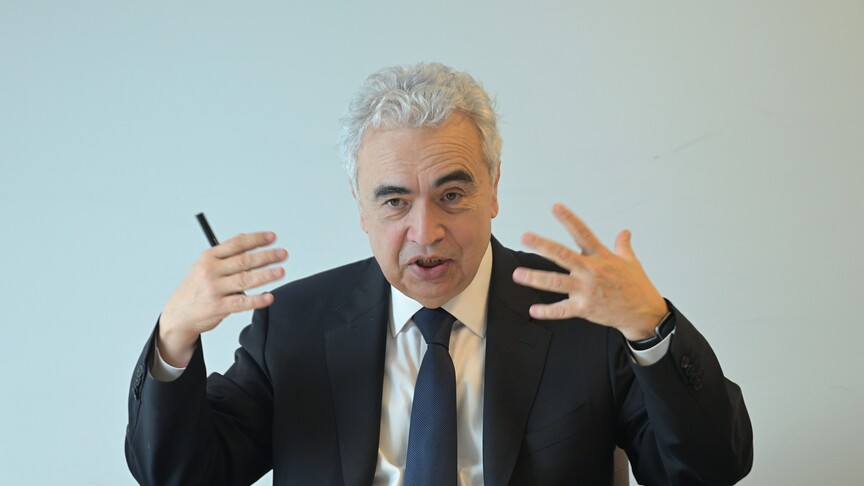
Oil Shock: Key Strait Closure Could Disrupt Energy for Two Years
Eid Prayers Echo as War Thunder Rolls in Middle East

Middle East Conflict Diverts Medical Tourists to Malaysia

Local Israel-Lebanon Ceasefire May Complicate U.S.-Iran Talks
Oil Slick From Bombed Iranian Ship Heads for Protected Wetland

Iran War Shadows Sri Lanka's New Year Celebrations

Israel Agrees to Lebanon Ceasefire in Broader Deal with Iran
Middle East Conflict Widens: Strikes Hit Lebanon, Gulf States

Gulf Region Braces for "Complete Reset" After Iran Attacks

Iranian Athlete Seeks Asylum in Sydney as U.S. Warns of Major Strikes
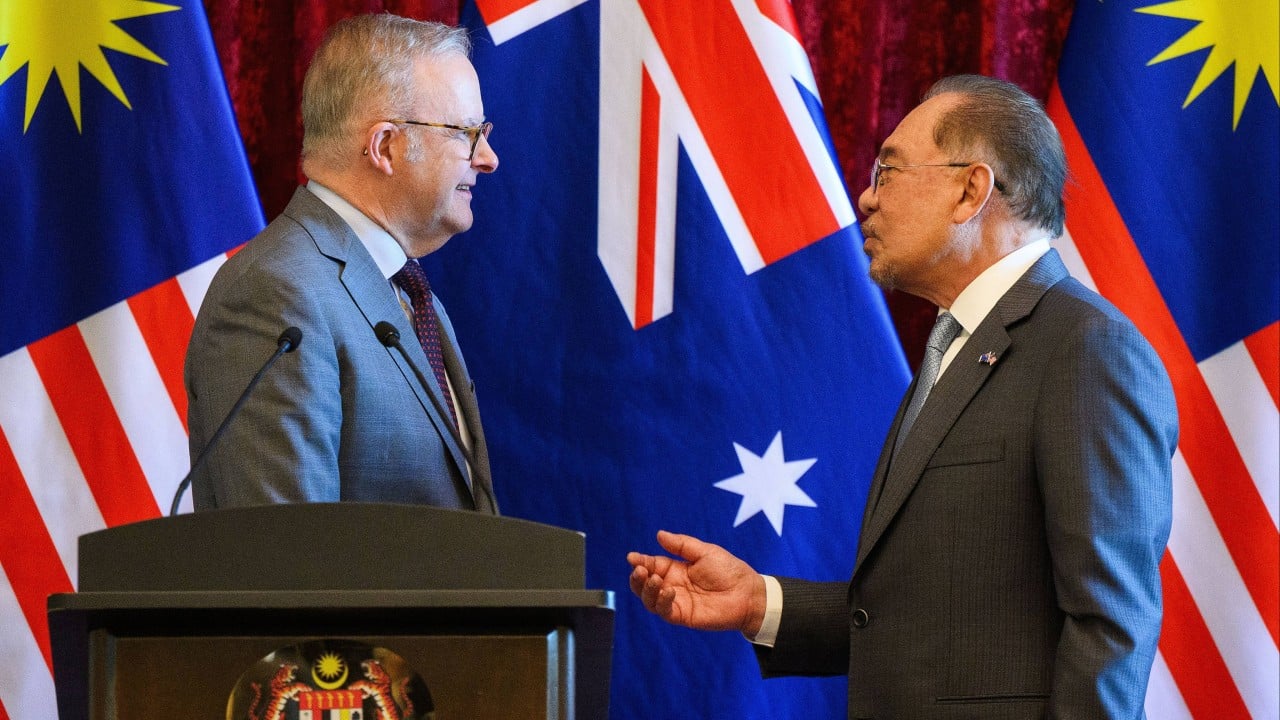
Australia and Malaysia Sign Pact to Protect Oil and Gas Flow Amid Iran War Disruption
Iran Claims Control as Gulf Blockade Shocks World Economy
A Grounded Giant and a Sea Goddess: The World in Photos