Indigenous and Local Cultures Find Power in Modern Expression
Indigenous and Local Cultures Find Power in Modern Expression From the Arctic to Africa, communities are leveraging their unique cultural heritage to forge identity, achieve global recognition, and address contemporary challenges. This movement sees traditional practices—from music and storytelling to architecture and ritual—adapted for the modern world, creating new forms of cultural resilience. In Senegal’s capital, a new landmark demonstrates how local tradition can shape global dialogue. The recently opened Goethe-Institut Dakar, designed by architect Francis Kéré, is built primarily from compressed earth blocks [131302]. This sustainable, local material provides natural temperature control, making the building itself a statement of Senegalese craftsmanship and ecological design within an international cultural center [131302]. Similarly, in Gabon, a coastal community is employing ancient spiritual practices to combat a modern environmental threat. At Pointe-Denis, worshippers recently performed a centuries-old animist ritual, presenting offerings to the spirits of the sea [130928]. Participants believe the ceremony helps calm the waters and slow coastal erosion, blending cultural tradition with direct action against land loss [130928]. In the realm of music, Indigenous artists are finding new audiences. A Sámi DJ duo from Norway’s remote Arctic north draws direct inspiration from their culture, incorporating the traditional rhythmic singing style known as *joik* into modern electronic music [79759]. Their success meets a growing global appetite for Indigenous sounds in club culture, turning their heritage into a unique artistic advantage [79759]. Meanwhile, in Burundi, writer Aïta Chancella Kanyange is using children’s literature as a tool for preservation. She creates simple stories for young readers that celebrate national traditions, aiming to pass customs and values to the next generation [129635]. Her work focuses on ensuring Burundi’s rich cultural heritage remains accessible and alive for children [129635]. This theme of cultural endurance through art is echoed in Ukraine, where a new collection of Christmas carols, or *koliadky*, connects ancient folk chants to the present day [32337]. Music scholars note these songs have historically preserved language and national identity during periods of oppression, with many carrying subtle messages of resilience [32337]. Even major holidays are being re-emphasized as vital cultural anchors. Renowned Chinese writer Feng Jicai describes the Spring Festival not merely as a holiday, but as an unbroken “cultural river” that provides a crucial link to history and identity for Chinese people [84043]. These examples show a widespread pattern: communities are actively deploying their cultural heritage not as a relic of the past, but as a dynamic, living resource for education, environmental action, artistic innovation, and maintaining a distinct identity in a globalized world. Dakar's New Cultural Hub is Built from Earth Gabonese Village Fights Erosion with Ancient Ritual Remote DJs Rise with Sámi Sound, Fueling Indigenous Pride Burundian Author Fights to Save Culture with Children's Books Ukrainian Christmas Carols: Ancient Sounds of Defiance and Hope Feng Jicai: Chinese New Year is More Than Fireworks
Articles in this Cluster
Dakar's New Cultural Hub is Built from Earth

Gabonese Village Fights Erosion with Ancient Ritual

France's Loudest Tradition: The Fanfare

Burundian Author Fights to Save Culture with Children's Books
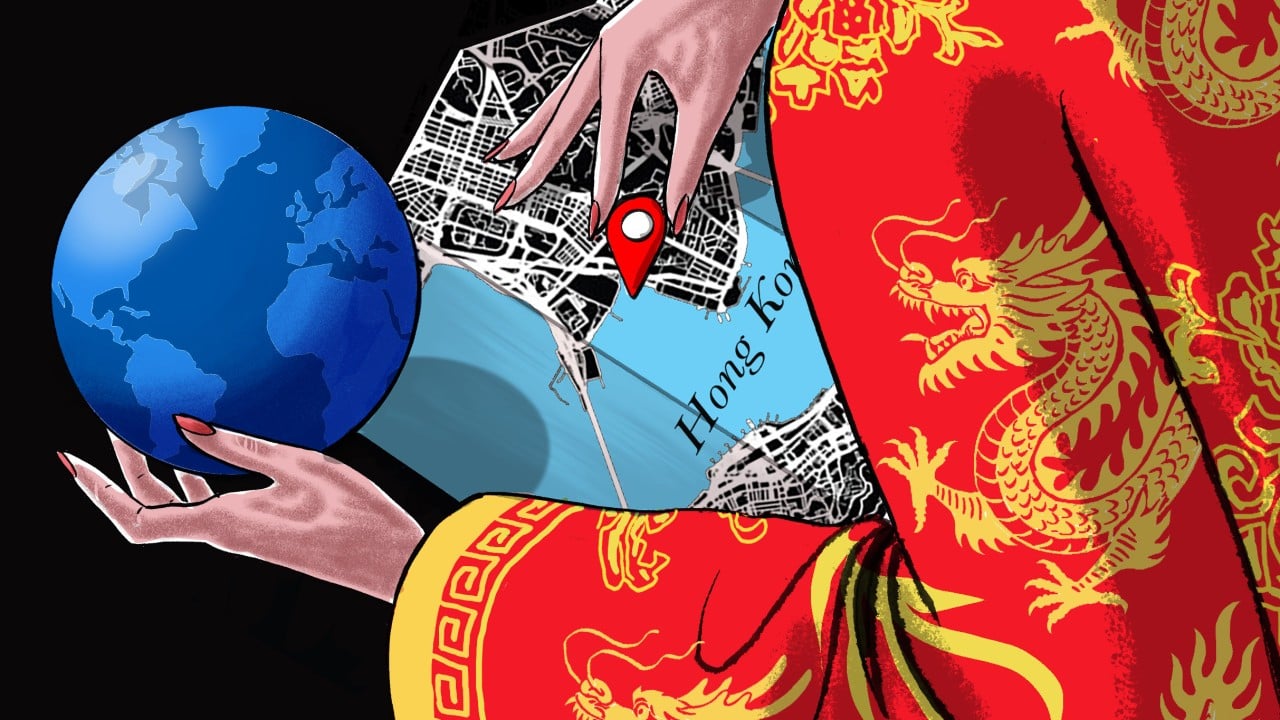
Hong Kong's Next Big Trade: Culture Over Capital?
Korean Wave Washes Over Latin America, Shifting Cultural Tides

China’s Cultural Heritage May Offer an Edge in Guiding AI
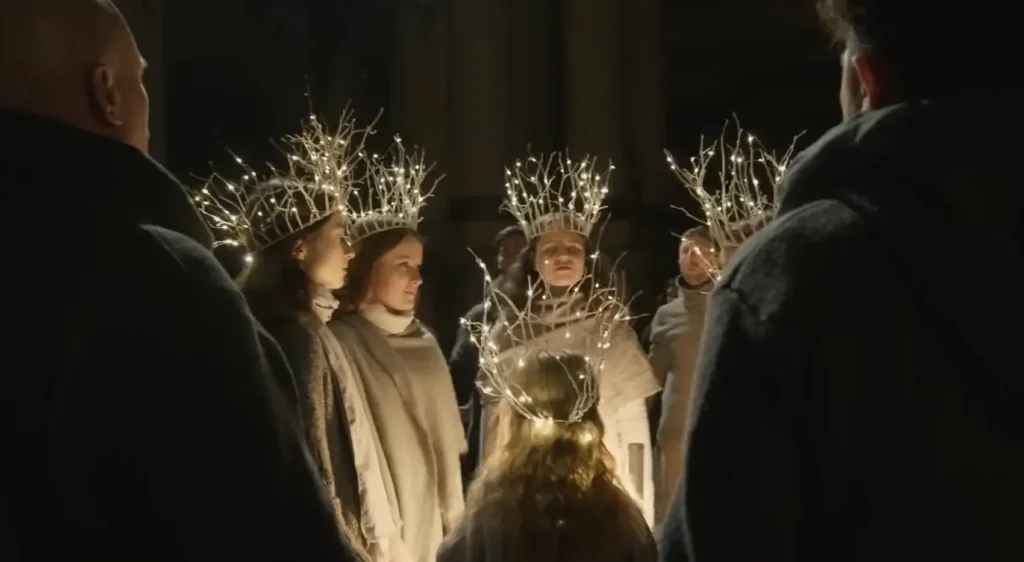
Ukrainian Christmas Carols: Ancient Sounds of Defiance and Hope

Feng Jicai: Chinese New Year is More Than Fireworks
Chinamaxxing: When Your Culture Becomes a Viral Meme

Christmas 2025: Surfing Santas, Dancing Cows, and Global Carols

Ch

Celine Dion's Paris Return: More Than a Concert, A "Cultural Treasure Hunt"
Remote DJs Rise with Sámi Sound, Fueling Indigenous Pride
