U.S. and Iran Edge Toward Ceasefire as China Mediates, While Strait of Hormuz Closure Threatens Years of Energy Chaos
U.S. and Iran Edge Toward Ceasefire as China Mediates, While Strait of Hormuz Closure Threatens Years of Energy Chaos The United States and Iran, with China acting as an unusual mediator, are engaged in high-stakes talks aimed at securing a ceasefire to halt a widening Middle East conflict, even as the closure of a critical oil shipping lane threatens a two-year disruption to global energy supplies [131566]. The diplomatic push seeks to calm hostilities that have expanded from Gaza and Israel to involve Lebanon and Gulf states [90697]. A key part of the negotiations involves a separate ceasefire between Israel and the Lebanese militant group Hezbollah, which is viewed as an Iranian proxy [131129]. Israel has agreed to that truce as part of the broader effort to prevent a full-scale regional war, with Iran reportedly pledging to stop arming Hezbollah for offensive operations [130739]. The involvement of China as a facilitator marks a significant shift in diplomatic strategy in a region traditionally led by U.S. diplomacy [131566]. The progress of these interconnected talks is being closely monitored globally. Meanwhile, the conflict's impact on world energy markets is becoming severe. The Strait of Hormuz, a vital channel for roughly one-fifth of the world's oil, has been effectively closed since late February due to attacks and mining, blocking a major route for exports [131334]. Fatih Birol, head of the International Energy Agency, warned that restoring normal oil and gas production could take two years if the strait remains shut [131334]. Former U.S. President Donald Trump has announced plans for a risky operation to clear mines from the waterway, a slow and dangerous process [130509]. The supply shock is forcing nations to seek alternatives. Australia and Malaysia signed a pact to protect oil and gas flow to each other, creating a regional buffer against the Middle Eastern disruption [130696]. The economic ripples are spreading worldwide, disrupting global shipping and raising prices [129803]. Environmental damage is also mounting. An oil spill from an Iranian military ship damaged by a U.S. warplane is heading toward the protected Hara mangrove forest, a vital wetland in the Gulf region [123126]. China Mediates U.S.-Iran Talks, Aims for Middle East Ceasefire Oil Shock: Key Strait Closure Could Disrupt Energy for Two Years Local Israel-Lebanon Ceasefire May Complicate U.S.-Iran Talks Israel Agrees to Lebanon Ceasefire in Broader Deal with Iran Australia and Malaysia Sign Pact to Protect Oil and Gas Flow Amid Iran War Disruption Trump Plans Risky Mine Clearance in Iran-Closed Strait of Hormuz Oil Slick From Bombed Iranian Ship Heads for Protected Wetland Middle East Conflict Widens: Strikes Hit Lebanon, Gulf States Middle East Conflict Ripples Outward, Hitting Unexpected Nations
Articles in this Cluster

China Mediates U.S.-Iran Talks, Aims for Middle East Ceasefire

Oil Shock: Key Strait Closure Could Disrupt Energy for Two Years

Local Israel-Lebanon Ceasefire May Complicate U.S.-Iran Talks

Iran War Shadows Sri Lanka's New Year Celebrations

Israel Agrees to Lebanon Ceasefire in Broader Deal with Iran
Cartoonist Ben Jennings Imagines a US-Iran War Sparked by AI "Slop"
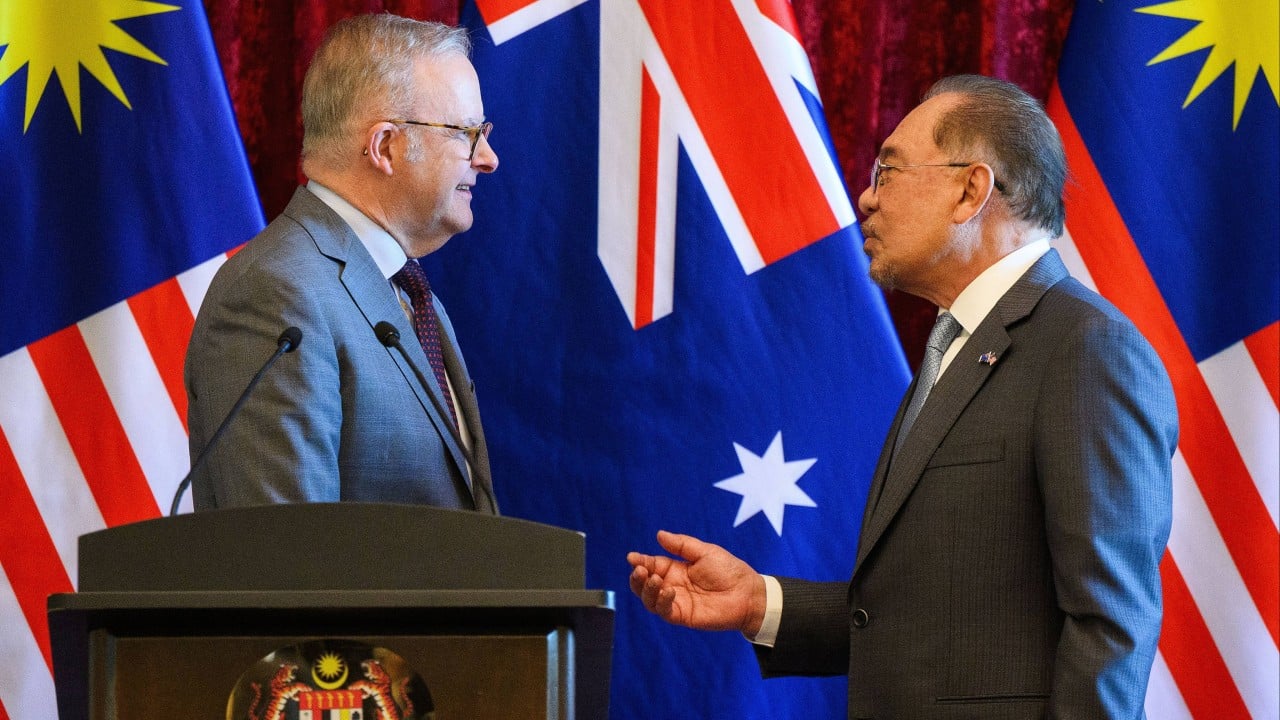
Australia and Malaysia Sign Pact to Protect Oil and Gas Flow Amid Iran War Disruption
Trump Plans Risky Mine Clearance in Iran-Closed Strait of Hormuz
Eid Prayers Echo as War Thunder Rolls in Middle East

Middle East Conflict Diverts Medical Tourists to Malaysia
Oil Slick From Bombed Iranian Ship Heads for Protected Wetland
Middle East Conflict Widens: Strikes Hit Lebanon, Gulf States

Gulf Region Braces for "Complete Reset" After Iran Attacks
Middle East Conflict Ripples Outward, Hitting Unexpected Nations