Forget the Algorithm: From Burundi to the Arctic, Locals Fight to Save Culture from Fads and Forgetting
**Forget the Algorithm: From Burundi to the Arctic, Locals Fight to Save Culture from Fads and Forgetting** From the remote villages of Burundi to the Arctic homes of Sámi DJs, communities worldwide are mobilizing grassroots efforts to protect their unique cultural heritage from the dual threats of homogenization and fleeting viral trends. These movements emphasize deep, sustained practice over superficial online appreciation, using everything from children’s books to electronic music as tools for preservation. In Burundi, writer Aïta Chancella Kanyange, 33, is safeguarding traditions by authoring simple children’s stories. Her books, written for kids aged 2 to 10, are designed to pass on national customs and values in accessible language, ensuring the country’s rich heritage is not lost to modernization [129635]. Similarly, in Syria, the ancient craft of embroidery has endured through years of war. Researcher Heike Weber calls it a powerful symbol of living cultural identity, a deeply rooted form of expression that survives as a testament to resilience despite widespread physical destruction [47200]. The Circassian community in Syria also exemplifies this balance, having preserved its unique language and customs for over a century while fully integrating into national society [36001]. This work of preservation is also being done through sound. In Norway, the Sámi DJ duo Article 3, comprising Alice Marie Jektevik and Petra Laiti, draws direct inspiration from their Indigenous heritage. They blend modern electronic beats with traditional Sámi rhythmic singing, or *joik*, meeting a growing audience appetite for authentic Indigenous culture in global music [79759]. Meanwhile, a new collection of Ukrainian Christmas carols, or *koliadky*, connects centuries-old folk chants to the present, with scholars noting the songs have long preserved language and identity during periods of oppression [32337]. These sustained efforts stand in contrast to viral, short-lived internet trends. The recent "Chinamaxxing" phenomenon, which saw people globally adopting Chinese habits like drinking hot water for online content, highlighted a tension. For many Chinese people, watching lifelong customs become a temporary meme raises questions about the depth of such online appreciation [109231]. Experts stress that true cultural continuity requires more than passing fascination. As Chinese writer Feng Jicai explains about the Spring Festival, it is a "cultural river" that has flowed for thousands of years, offering a vital, living link to history and identity—far more profound than holiday imagery alone [84043]. Burundian Author Fights to Save Culture with Children's Books Syrian Embroidery Survives War, Defines Identity Syria's North Caucasus Legacy: The Circassians' Enduring Identity Remote DJs Rise with Sámi Sound, Fueling Indigenous Pride Ukrainian Christmas Carols: Ancient Sounds of Defiance and Hope Chinamaxxing: When Your Culture Becomes a Viral Meme Feng Jicai: Chinese New Year is More Than Fireworks
Articles in this Cluster

Burundian Author Fights to Save Culture with Children's Books
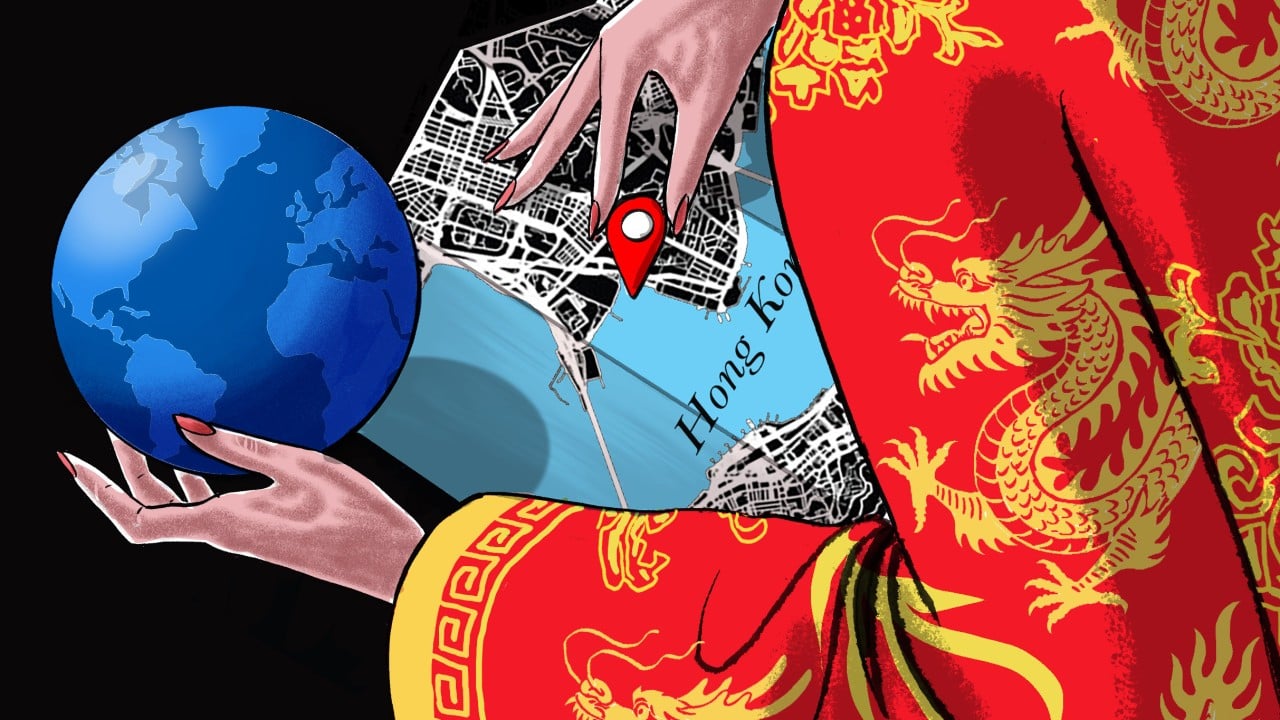
Hong Kong's Next Big Trade: Culture Over Capital?
Korean Wave Washes Over Latin America, Shifting Cultural Tides

China’s Cultural Heritage May Offer an Edge in Guiding AI

Ukrainian Christmas Carols: Ancient Sounds of Defiance and Hope

Feng Jicai: Chinese New Year is More Than Fireworks
Chinamaxxing: When Your Culture Becomes a Viral Meme

Christmas 2025: Surfing Santas, Dancing Cows, and Global Carols
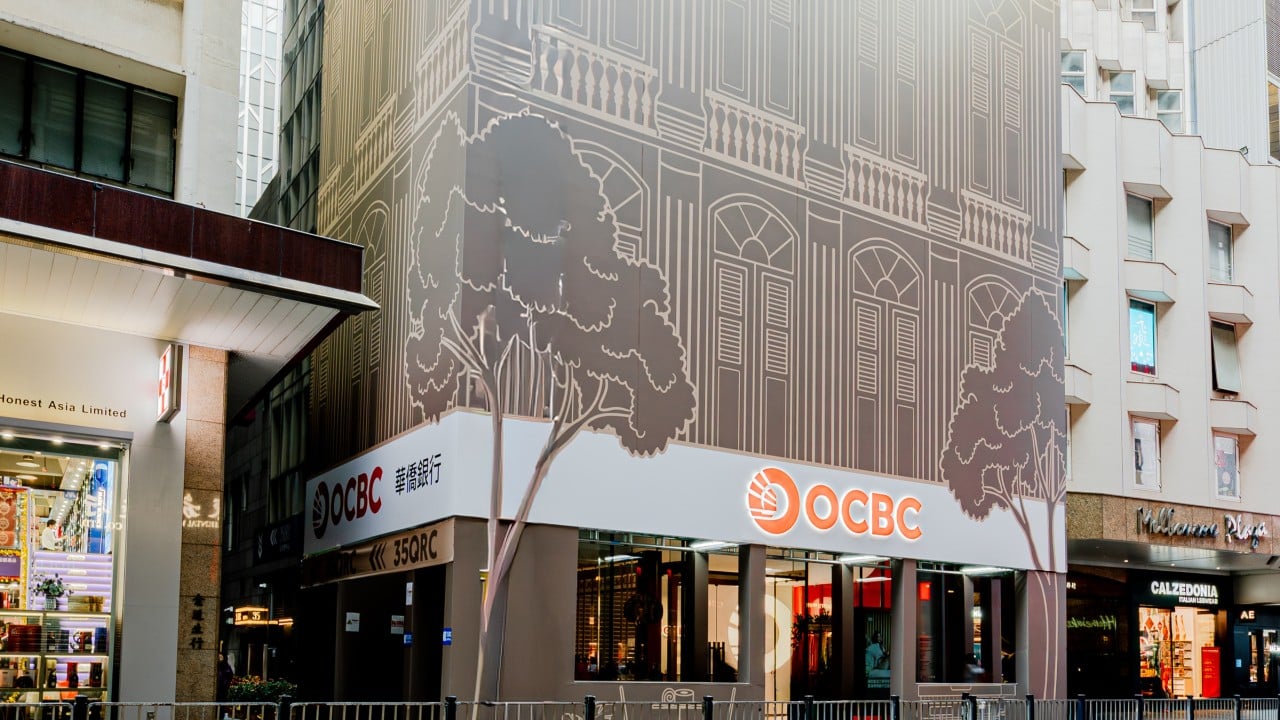
Bank Serves Cake: OCBC Hong Kong's New Branch Bets on Lifestyle

Ch

Celine Dion's Paris Return: More Than a Concert, A "Cultural Treasure Hunt"
Remote DJs Rise with Sámi Sound, Fueling Indigenous Pride

Syria's North Caucasus Legacy: The Circassians' Enduring Identity
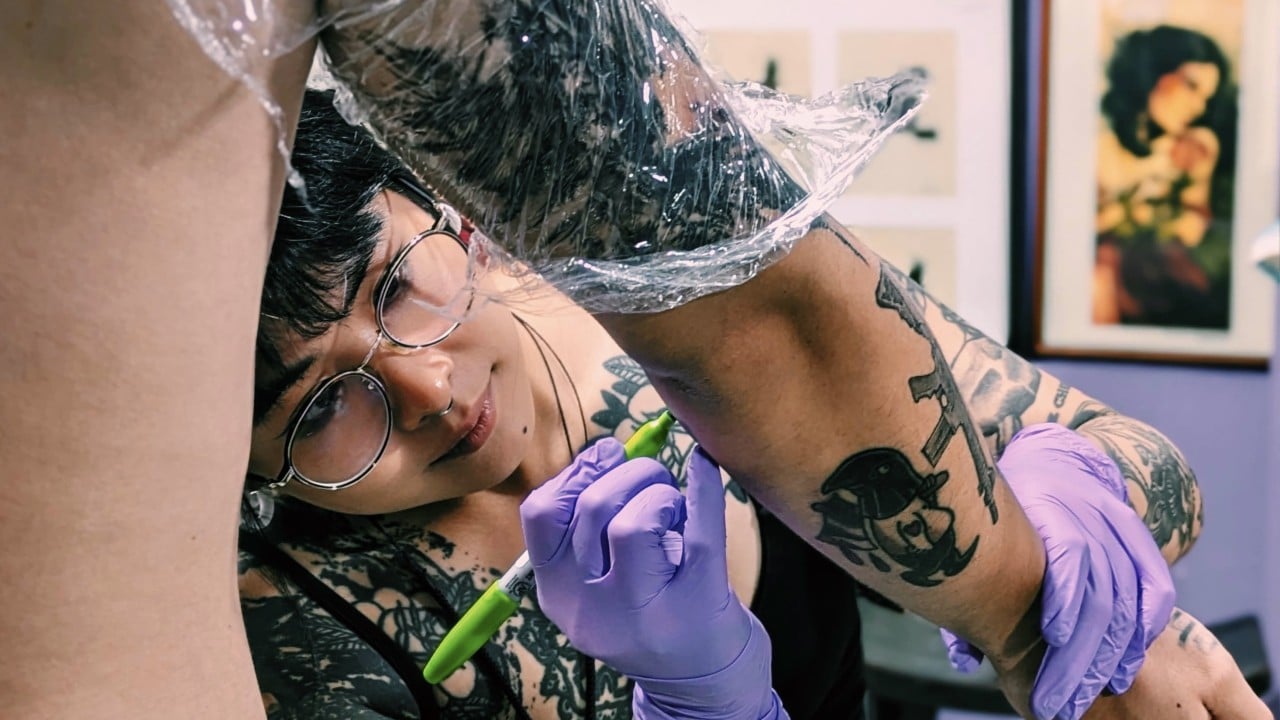
Hidden Stories: From Tattoo Needles to Viral Buttons
