Climate Crisis Hammers Global South, Killing Thousands and Costing Billions
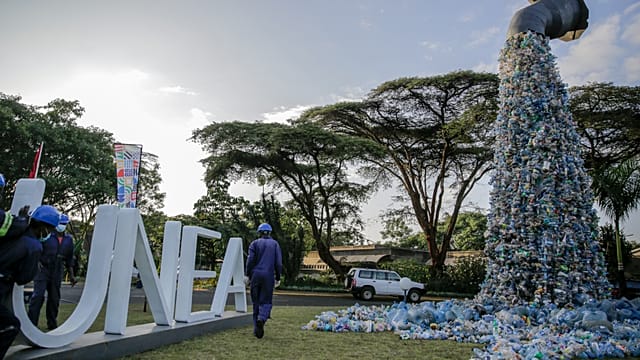
Climate Crisis Hammers Global South, Killing Thousands and Costing Billions A cascade of climate-driven disasters is exacting a devastating human and economic toll across the world's most vulnerable regions, with new reports confirming thousands of deaths and economic losses in the billions. The impacts, from vanishing livelihoods to crippling food insecurity, underscore how the planetary ecological crisis is now a daily reality for millions. In Africa, extreme weather linked to climate change killed thousands of people, impacted millions more, and caused billions of dollars in economic losses in 2025 alone [113458]. The continent is experiencing rapid environmental disruption from record levels of heat-trapping greenhouse gases, with consequences that scientists warn will persist for generations [113458]. The crisis is stripping communities of their means of survival. In the Democratic Republic of the Congo, rising temperatures and shifting seasons are causing beehives to fail, threatening both a key food source and a critical traditional income for families [128278]. This collapse of a vital pollination service further jeopardizes local food security [128278]. Eastern Africa faces a dire "triple planetary crisis," where climate change, biodiversity loss, and pollution converge to starve the region [91481]. Extreme droughts and floods ruin crops and kill livestock, while pollution degrades the soil and water needed for agriculture [91481]. The region's Ministry of Planning and Development has issued an official warning that these interconnected environmental threats pose a fundamental challenge to stability and development [91481]. The pattern of intensifying extremes is becoming the new normal globally. The year 2025, Earth's third hottest on record, was marked not just by heat but by a global series of catastrophic floods, severe droughts, and unusually intense storms that caused billions in damage [49594]. Scientists state these disasters show the clear influence of climate change, which is altering weather patterns and leading to more powerful, unpredictable events [49594]. In Europe, a relentless year of climate disasters in 2025—from floods to heatwaves and wildfires—has experts warning that such severe events may become standard, driven by greenhouse gas emissions from human activities [36941]. The UK's National Trust reported that extreme weather pushed the nation's wildlife and landscapes to a "breaking point," with a destructive cycle of storms, heat, drought, and floods [36898]. The world's top environmental body, the United Nations Environment Assembly, recently concluded with a strong call for accelerated global action on the interconnected crises of climate change, biodiversity loss, and pollution [21446]. Delegates committed to strengthening international cooperation, urging countries to increase the speed and scale of their interventions to build planetary resilience [21446]. Climate Crisis Costs Africa Billions, Claims Thousands Bees Vanish as Congo Feels the Sting of Climate Change Triple Planetary Crisis Starves East Africa 2025: The Year the Weather Broke Europe's 2025 Weather: A New Normal of Extremes? UK Wildlife Pushed to "Breaking Point" by Extreme Weather in 2025 UN Environment Assembly Demands Urgent Global Action on Climate and Biodiversity
Articles in this Cluster

Bees Vanish as Congo Feels the Sting of Climate Change

Global Energy Shock Could Last Years, Warn Top Economists

War Damage to 80+ Mideast Energy Sites Could Disrupt Supply for Years
"Super" El Niño Likely, Threatens Weather Chaos and Record Heat
A Global Push to Curb Carbon Emissions
Europe's 2025 Weather: A New Normal of Extremes?
2025: The Year the Weather Broke
UK Wildlife Pushed to "Breaking Point" by Extreme Weather in 2025
War's Toxic Toll: Iran's Environment Under Fire