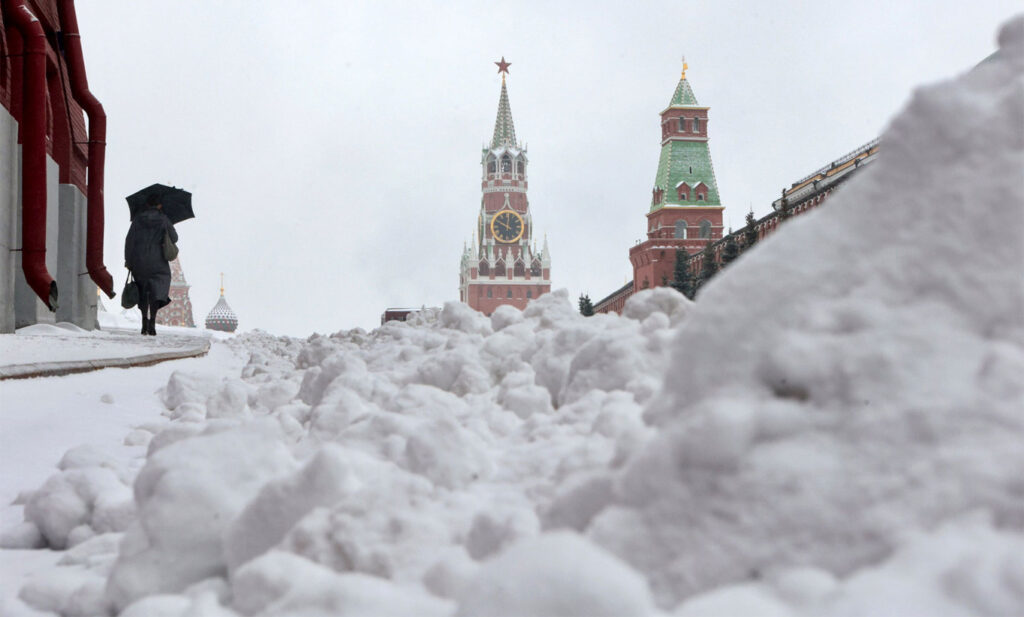
Russia Escalates Nuclear Threats and Economic Pressure as Ukraine War Grinds On
Russia Escalates Nuclear Threats and Economic Pressure as Ukraine War Grinds On Russia is intensifying its nuclear rhetoric and seizing foreign assets while simultaneously pushing for diplomatic talks with the United States, a dual strategy analysts say is aimed at fracturing Western support for Ukraine as the war enters a protracted phase. The moves come as the Kremlin seeks new economic partnerships to offset sanctions and pressures its own oligarchs to fund the ongoing military campaign. President Vladimir Putin has ordered Russia's nuclear forces onto higher alert, a direct response to what he termed "aggressive statements" from NATO countries [126171]. This marks the first such alert since the Soviet era, raising global alarm about the risk of catastrophic miscalculation. Concurrently, the Kremlin is leveraging the New START nuclear arms treaty as a bargaining chip, using its impending expiration in 2026 to pressure Washington away from backing a Ukrainian peace settlement [60361]. On the economic front, Putin has ordered the seizure of a major beverage can factory owned by CANPACK, a global packaging firm with strong ties to Pennsylvania in the United States. The $700 million asset transfer is part of a wider pattern of taking control of foreign companies that left Russia after the invasion of Ukraine [126123]. Domestically, the financial strain of the war is evident, with Putin personally soliciting direct donations from Russian oligarchs to support the military budget. This follows a 42% surge in defence spending last year and a widening budget deficit [112938]. Despite these aggressive postures, Russian officials are sending a contrasting message to Washington, asking for sanctions to be lifted and seeking to calculate financial losses from halted trade—a clear attempt to drive a wedge between the U.S. and its European allies [82150]. This two-track approach unfolds as analysts note Russia feels no urgency to negotiate a peace deal, believing its current battlefield position affords it the advantage to wait out Western resolve [17045]. The Kremlin's long-term strategic goals appear unchanged. Recent diplomatic signals indicate Putin's commitment to the military campaign persists despite growing economic strain, pointing to a strategy that prioritizes long-term geopolitical aims over immediate stability [17910]. In a further escalation of accusations, Putin has alleged, without providing evidence, that Ukraine is plotting attacks on key Russian gas pipelines in the Black Sea, including the vital TurkStream and Blue Stream routes [85302].
Articles in this Cluster
India and Russia to Seal Major Energy Deal as Iran Tensions Rise

Poland's PM Labels Opposition a "Putinist Front"
Ukraine Vows "Symmetrical" Response to Russian Attacks
Russia Seizes US-Linked Firm While Seeking Washington's Friendship
Putin Seeks Oligarch Donations to Fund War as Defence Budget Strains

Orbán's Election: A Test for Washington and Moscow
Prabowo to Moscow? Kremlin Hints at Indonesia-Russia Energy Talks
Putin's "Peace" Talks Demand Ukraine's Surrender
Putin Signals Long War in Ukraine Amid Economic Strain
Putin's Nuclear Gambit: A Move to End the War or Escalate It?
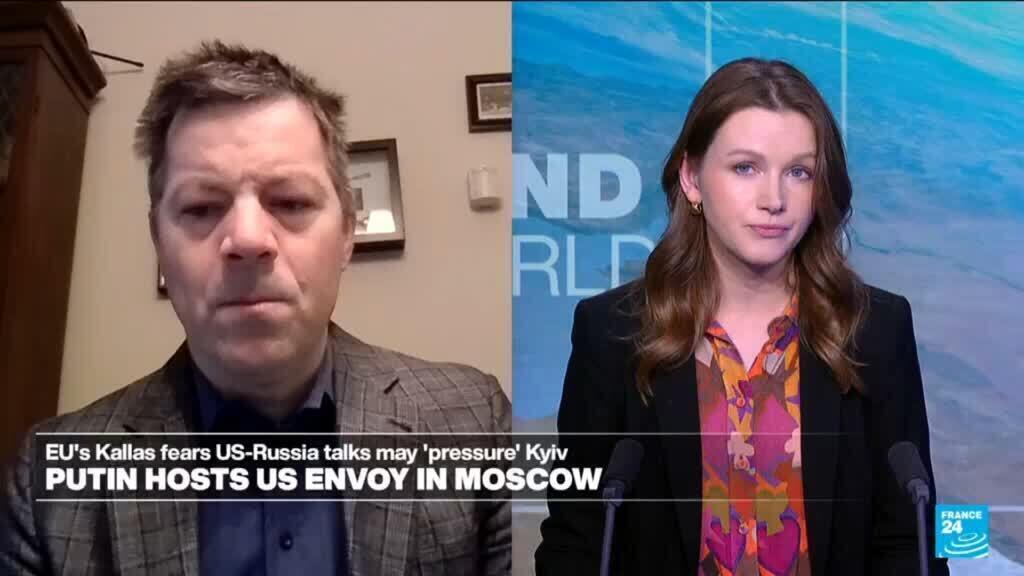
Russia Holds Advantage, In No Rush on Ukraine Deal, Expert Says
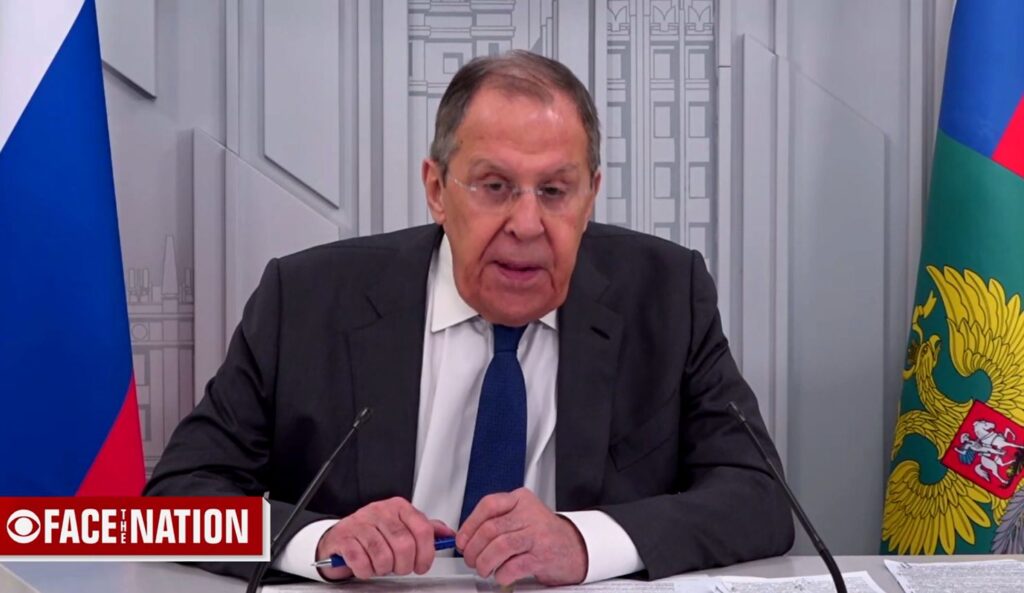
Russia's Dual Strategy: Talk War with Europe, Talk Trade with America

Putin Alleges Ukraine Plots Attack on Key Russian Gas Pipelines